As an Amazon Associate, we earn from qualifying purchases. Some links on this site are affiliate links at no extra cost to you. Our recommendations are based on thorough research and editorial judgment.

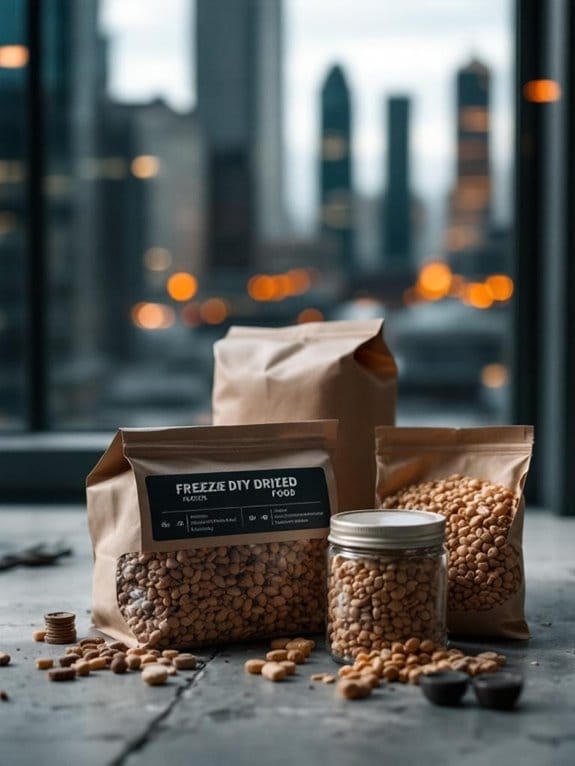
6 Best DIY Freeze-Dried Food Options for Your Emergency Pantry

To build an emergency pantry, focus on freeze-dried options like Mother Earth Products Freeze Dried Peas, which last up to 25 years. Include Harmony House Dehydrated Vegetable Sampler for variety. Consider Freeze-Dried Dog Food for your pets, ensuring all dietary needs are met. Add Freeze Dried Arctic Krill Siftings for aquatic nutrition. Don’t forget to include recipes from the Freeze Drying Dog Food Cookbook for homemade treats. Continue to explore more diverse options to enhance your food supply.
Key Takeaways
- Fruits and Vegetables: Freeze-dried options like peas and berries retain nutrients and provide essential vitamins for emergency preparedness.
- Meat and Proteins: Freeze-dried meats ensure high protein content and can be stored easily, catering to various dietary needs during emergencies.
- Dog Food: Freeze-dried dog food offers balanced nutrition for pets, ensuring they are cared for during emergencies with tailored options available.
- Homemade Meals: Create freeze-dried meals from scratch, incorporating non-GMO and gluten-free ingredients for healthy, long-lasting food options.
- Snacks and Treats: Prepare freeze-dried snacks like fruits and homemade treats to provide enjoyable and nutritious options during emergencies.
| Freeze Drying Cookbook for Home Preservation and Meals | 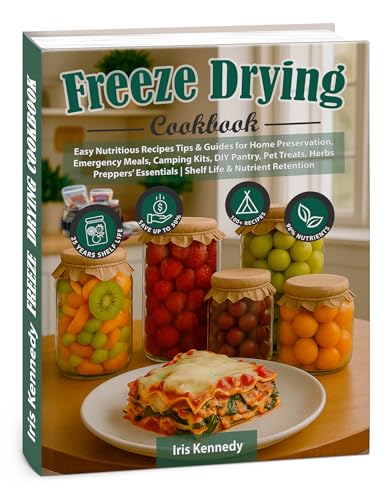 | Expert Guide | Weight: N/A (Cookbook) | Shelf Life: N/A (Cookbook) | Non-GMO: Yes | VIEW LATEST PRICE | Read Our Analysis |
| Aquatic Foods Freeze Dried Arctic Krill Siftings | 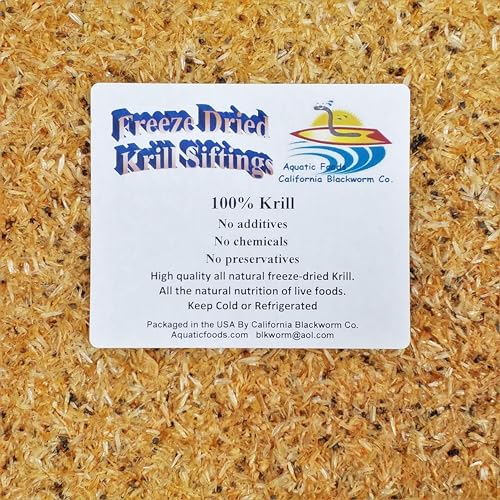 | Premium Fish Food | Weight: 1 lb | Shelf Life: Long-term | Non-GMO: N/A (Not specified) | VIEW LATEST PRICE | Read Our Analysis |
| Mother Earth Products Freeze Dried Peas Net Wt 8OZ (226g) |  | Nutrient-Packed Snack | Weight: 8 oz (226g) | Shelf Life: Up to 25 years | Non-GMO: Yes | VIEW LATEST PRICE | Read Our Analysis |
| Harmony House Dehydrated Vegetable Sampler (15 Count) | 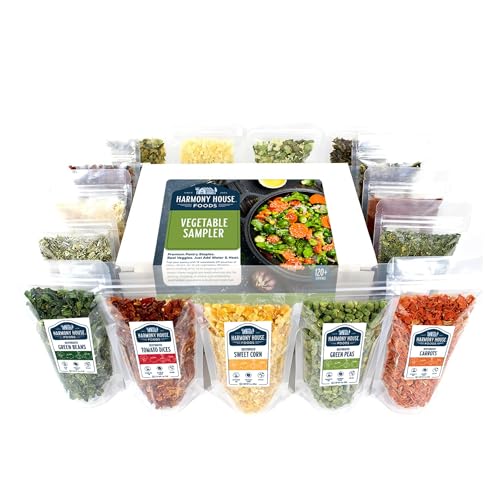 | Versatile Veggie Mix | Weight: N/A (Sampler) | Shelf Life: Extended period | Non-GMO: Yes | VIEW LATEST PRICE | Read Our Analysis |
| Freeze-Dried Dog Food: Complete Guide & Recipes | 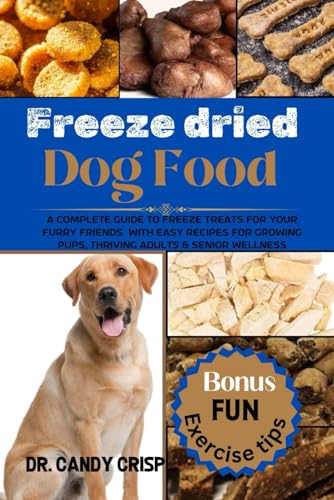 | Canine Health Booster | Weight: N/A (Guide) | Shelf Life: N/A (Guide) | Non-GMO: N/A (Guide) | VIEW LATEST PRICE | Read Our Analysis |
| Freeze Drying Dog Food Cookbook |  | DIY Pet Cuisine | Weight: N/A (Cookbook) | Shelf Life: N/A (Cookbook) | Non-GMO: N/A (Cookbook) | VIEW LATEST PRICE | Read Our Analysis |
You may be interested


More Details on Our Top Picks
Freeze Drying Cookbook for Home Preservation and Meals
If you’re looking for an effective way to preserve your food and enjoy long-lasting meals, then a freeze-drying cookbook is your best option. This invaluable resource keeps your food fresh without losing flavor or nutrients. You’ll find detailed instructions for essential techniques, from blanching to moisture testing. Invest in reliable equipment like a Harvest Right freeze dryer, and follow maintenance tips to guarantee top performance. Explore over 100 recipes tailored for every meal, including easy camping options. Embrace the art of freeze-drying, and you’ll create nutritious, shelf-stable meals that cater to your family’s needs and your adventurous spirit.
- Weight:N/A (Cookbook)
- Shelf Life:N/A (Cookbook)
- Non-GMO:Yes
- Gluten-Free:N/A (Cookbook)
- Usage Suggestions:Meal planning and preservation
- Recipe Variability:Over 100 recipes
- Additional Feature:Step-by-step freeze-drying instructions
- Additional Feature:30-day color-coded meal plan
- Additional Feature:Gift for gardening enthusiasts
Aquatic Foods Freeze Dried Arctic Krill Siftings
Aquatic Foods Freeze Dried Arctic Krill Siftings are designed specifically for fish keepers who want to provide high-quality nutrition for their aquatic pets. This 1 lb product is perfect for fry, baby fish, and DIY fish food makers. It supports all life stages of tropical, marine, and pond fish. Make sure you store the krill siftings at room temperature for ideal preservation. It’s vital to remember that variations in color and size may occur. Using these siftings regularly will help enhance your fish’s diet. They’re suitable for various species, including goldfish, tetras, and cichlids, guaranteeing a balanced nutrient intake.
- Weight:1 lb
- Shelf Life:Long-term
- Non-GMO:N/A (Not specified)
- Gluten-Free:N/A (Not specified)
- Usage Suggestions:Fry/baby fish food
- Recipe Variability:N/A (Fish food)
- Additional Feature:Designed for fry and baby fish
- Additional Feature:Sifted for premium quality
- Additional Feature:Family-owned business legacy
Mother Earth Products Freeze Dried Peas Net Wt 8OZ (226g)
Mother Earth Products Freeze Dried Peas are an excellent choice for anyone looking to prepare nutritious meals with minimal effort. Each 8-ounce bag offers you 7 grams of protein and is packed with essential vitamins and minerals. These peas are non-GMO and gluten-free, making them suitable for various diets. You can snack on them straight from the bag or rehydrate them in cooking. Store your peas in a cool, dry place, and they’ll last up to 25 years, ensuring you have a reliable food source in emergencies. Consider combining them with other dried veggies for added variety in your meals.
- Weight:8 oz (226g)
- Shelf Life:Up to 25 years
- Non-GMO:Yes
- Gluten-Free:Yes
- Usage Suggestions:Snacks/meals/camping
- Recipe Variability:Uses suggested
- Additional Feature:Whole peas item form
- Additional Feature:Can be consumed directly
- Additional Feature:Source of essential nutrients
Harmony House Dehydrated Vegetable Sampler (15 Count)
The Harmony House Dehydrated Vegetable Sampler is an excellent option for anyone looking to simplify meal prep while ensuring nutritious options are readily available. This variety pack includes 15 resealable zip pouches containing premium vegetables like broccoli, carrots, and tomatoes. To prepare, simply soak or simmer the vegetables for 10-15 minutes, making them perfect for camping or everyday meals. Each pouch yields four total cups when rehydrated, providing you with ample servings. Plus, these veggies are non-GMO, gluten-free, and kosher certified. Store them in your cupboard for long-term use, and you’ll always have healthy greens on hand.
- Weight:N/A (Sampler)
- Shelf Life:Extended period
- Non-GMO:Yes
- Gluten-Free:Yes
- Usage Suggestions:Cooking/camping/backpacking
- Recipe Variability:15 vegetable varieties
- Additional Feature:15 resealable zip pouches
- Additional Feature:Easy soaking/simmering preparation
- Additional Feature:Yields 40 total cups
Freeze-Dried Dog Food: Complete Guide & Recipes
If you’re a dedicated dog owner looking to improve your pet’s nutrition, freeze-dried dog food could be the ideal solution for you. This type of food retains essential nutrients, ensuring your dog gets a balanced diet tailored to their life stage. Start by selecting high-quality freeze-dried options suitable for your dog’s age and activity level. Incorporate these foods into their meals regularly while monitoring their energy and health. You can also create easy homemade treats using safe freeze-dried ingredients. For best results, consult resources developed with veterinarians to guide you in making informed choices for your furry friend.
- Weight:N/A (Guide)
- Shelf Life:N/A (Guide)
- Non-GMO:N/A (Guide)
- Gluten-Free:N/A (Guide)
- Usage Suggestions:Dog meal recipes
- Recipe Variability:Various recipes for dogs
- Additional Feature:Collaborated with veterinarians
- Additional Feature:Tailored for all dog ages
- Additional Feature:Engaging and accessible style
Freeze Drying Dog Food Cookbook
For dog owners committed to providing the best nutrition for their furry friends, Chris Kerns’ “Freeze Drying Dog Food Cookbook” stands out as an essential resource. This guide showcases the freeze-drying process, making it clear how it preserves nutrients vital for your dog’s health. You’ll find tailored recipes for puppies, adults, and seniors, ensuring nutritional needs are met at every life stage. Each recipe features detailed steps to simplify preparation, along with nutritional information that helps you make informed choices. By following these directives, you can create nutrient-packed meals that enhance your dog’s well-being and dining experience.
- Weight:N/A (Cookbook)
- Shelf Life:N/A (Cookbook)
- Non-GMO:N/A (Cookbook)
- Gluten-Free:N/A (Cookbook)
- Usage Suggestions:Dog food recipes
- Recipe Variability:Multiple recipes for dogs
- Additional Feature:Author with prepper experience
- Additional Feature:Recipe nutritional information included
- Additional Feature:Demystifies freeze-drying science
Factors to Consider When Choosing DIY Freeze Dried Food
When choosing DIY freeze-dried food, you should focus on several key factors. Assess the nutritional value of the ingredients, ensuring they meet quality standards, while also considering their storage conditions and shelf life. Additionally, think about the variety of recipes available, as this influences your options for meal planning and diet diversity.
Nutritional Value Considerations
Choosing DIY freeze-dried food options requires careful consideration of their nutritional value to confirm you’re meeting your dietary needs effectively. Look for freeze-dried foods that retain up to 98% of their vitamins, minerals, and antioxidants. This preservation assures you maintain a high nutritional standard, which is vital for emergency situations. Focus on products that are non-GMO and gluten-free, catering to specific dietary restrictions. When rehydrated, a single dehydrated vegetable mix can yield about 40 cups, providing ample servings per batch. Always check nutritional information when preparing meals, especially for pets, to verify you’re meeting their dietary requirements at various life stages. Prioritize quality and nutrition to maximize your emergency pantry’s effectiveness.
Ingredient Quality Standards
Ingredient quality matters greatly when you’re preparing your DIY freeze-dried foods. Start by selecting non-GMO ingredients to enhance safety and quality. Look for freeze-dried products that maintain at least 98% of their vitamins, minerals, and antioxidants, indicating effective preservation. If you or others have dietary restrictions, prioritize gluten-free labels to promote better health. It’s essential to choose items that have undergone nutrient retention testing, guaranteeing that the freeze-drying process hasn’t compromised their nutritional value. Additionally, seek out products with transparent sourcing and processing methods, as this provides important insights into quality and safety. By focusing on these factors, you’ll make sure your emergency pantry is stocked with nutritious and reliable foods.
Storage and Shelf Life
Storage plays an essential role in the longevity and quality of your DIY freeze-dried foods. For ideal preservation, use vacuum-sealed packaging, Mylar bags, and desiccants to shield your food from moisture and light. These factors can greatly impact food quality. Aim to store your freeze-dried products at room temperature, avoiding excessive heat and humidity, which can shorten their shelf life considerably. Always label your items clearly with dates and contents to maintain organization and avoid confusion later. Regularly check for signs of spoilage, such as unusual odors or color changes. By following these guidelines, you can guarantee that your DIY freeze-dried foods remain safe and nutritious for up to 25 years, maintaining their flavors and nutrients.
Preparation Methods Overview
When preparing to make freeze-dried food, several essential factors can greatly affect the quality and success of your efforts. First, verify you properly pre-treat foods, like blanching vegetables or cutting meats into even pieces, to guarantee they dry uniformly. This step helps retain nutrients, maintaining up to 98% of vitamins and minerals. After freeze-drying, store your food in airtight containers, such as Mylar bags or vacuum-sealed pouches, to enhance shelf life, which can last up to 25 years under ideal conditions. Finally, plan your rehydration method. Depending on the food type, you might need to soak or simmer it in water to achieve the desired consistency. Following these steps verifies your freeze-dried meals taste great and last long.
Recipe Variety Availability
To successfully choose your DIY freeze-dried food options, consider the variety of recipes available. Look for diverse recipe options that allow you to prepare meals for different occasions, guaranteeing you don’t get bored. Aim for recipes catering to breakfasts, lunches, dinners, snacks, and specialty items to maximize your freeze-drying efforts. Incorporate freeze-dried fruits, vegetables, meats, and herbs to maintain balanced nutrition and flexibility in meal preparation. Seek out tested recipes with clear instructions, as these will promote effective freeze-drying and help retain nutrients in your final products. By selecting recipes that align with these guidelines, you can make meal planning more enjoyable and guarantee you have a well-rounded emergency pantry.
Special Dietary Needs
Special dietary needs play an essential role in selecting your DIY freeze-dried food options. First, assess any dietary restrictions, such as gluten-free or non-GMO, to guarantee everyone’s needs are met. If you have food sensitivities, consider using alternative ingredients to avoid allergens while retaining nutrition. For health conditions like diabetes or heart disease, choose low-sodium and lower-carb options to align with dietary guidelines. Custom meal planning may be vital to include necessary vitamins, minerals, and proteins based on individual health goals. Finally, understand that freeze-drying retains up to 98% of essential nutrients, allowing you to make informed choices that suit specialized dietary requirements. Prioritize these considerations to create a well-rounded emergency pantry.
Equipment Requirements and Maintenance
Selecting the right equipment for DIY freeze-drying is a significant step towards achieving your food preservation goals. First, decide if you need a home-use or semi-professional model based on your budget and intended use. Regular maintenance is essential; follow the manufacturer’s instructions to keep your freeze dryer functioning well. Pay attention to the specific cycle settings for different foods, as moisture levels and densities influence the process. After freeze-drying, make certain you use proper storage solutions, like Mylar bags or vacuum sealing, to extend shelf life up to 25 years. Finally, utilize moisture testing methods to confirm the effectiveness of the freeze-drying process, making sure your final product is high quality and safe for long-term storage.
Frequently Asked Questions
How Long Do Freeze-Dried Foods Last in Storage?
Freeze-dried foods can last anywhere from 25 to 30 years in proper storage conditions. To maximize their shelf life, keep them in a cool, dark, and dry place. Use airtight containers to prevent moisture and oxygen from spoiling the food. Regularly check for any signs of damage or spoilage. Label your containers with the date of storage to easily track freshness. Always rotate your stock, using older items first.
Can You Freeze Dry Your Own Meals at Home?
Yes, you can freeze-dry your own meals at home. Start by acquiring a freeze-dryer, which effectively removes moisture from food. Cut your meals into small portions for even drying. Place them in the machine, and follow the manufacturer’s instructions regarding time and settings. After drying, store your meals in airtight containers or vacuum-sealed bags to prevent moisture re-entry. Always label your containers with the date and contents for easy identification later.
What Equipment Is Needed for DIY Freeze Drying?
To DIY freeze dry, you’ll need a freeze dryer, which is essential for the process. You can purchase a home freeze dryer from various brands available online. Additionally, gather airtight food storage bags or containers for sealing your freeze-dried meals. A vacuum sealer can enhance the preservation of your food. Finally, make certain you have fresh ingredients ready for drying. Follow the manufacturer’s instructions for best results and food safety.
Are Freeze-Dried Foods Nutritious Compared to Fresh?
Freeze-dried foods can retain much of their nutrients, often comparable to fresh foods. However, the nutritional value can vary based on the food type and preparation method. To guarantee maximum nutrition, select ripe, high-quality produce for freeze-drying. Always check the nutritional labels of commercially freeze-dried items, as some may contain additives. Finally, store your freeze-dried foods in airtight containers to maintain quality and extend shelf life, assuring you have nutritious options during emergencies.
How Do I Rehydrate Freeze-Dried Foods Properly?
To properly rehydrate freeze-dried foods, start by measuring equal parts of freeze-dried food and water. Bring the water to a boil, then pour it over the food in a heatproof container. Cover it tightly to trap steam, and let it sit for 10 to 15 minutes. Stir occasionally to promote even hydration. For best results, adjust the water quantity based on the food type, as denser items may need more liquid.