As an Amazon Associate, we earn from qualifying purchases. Some links on this site are affiliate links at no extra cost to you. Our recommendations are based on thorough research and editorial judgment.


Cold Snaps in Apartments: Preventing Hypothermia Without Unsafe Heating

Cold snaps can catch you off guard, especially in an apartment. You know the feeling—temperatures drop, and all you want is to keep warm. I’ve gathered some practical tips from my own experiences to help you stay cozy without relying on unsafe heating methods or breaking the bank.
You may be interested


First up, let’s talk about what you wear. Layering is your best friend. Here’s how to nail it:
- Start with thermal base layers.
- Add wool sweaters for insulation.
- Don’t forget thick socks, a cozy hat, and gloves.
These layers help retain body heat, ensuring you stay warm even when it’s freezing outside.
Next, tackle those pesky drafts. You know how they sneak in through windows and doors? Here’s what to do:
- Seal drafts using weatherstripping or caulk.
- Keep interior doors open to enhance heat circulation.
Every little bit helps in retaining warmth throughout your space.
Your heating system deserves some love, too. Regular maintenance can make a significant difference. Just as important, avoid unsafe space heaters that can pose fire risks. Instead, consider using thermal curtains. They’re excellent at trapping heat and keeping the cold out.
Don’t forget about your pipes! Insulating them is crucial, especially if temperatures drop below freezing. A helpful trick is to keep faucets dripping slightly. This prevents pipes from freezing and bursting—trust me, it’s a disaster you want to avoid.
Lastly, keep an eye out for signs of hypothermia. Know the early warning signs: shivering, confusion, and fatigue. If you or someone else starts feeling this way, act fast. Get warm and seek help if needed.
By following these tips, you can stay safe and warm during those brutal cold snaps. It’s all about preparation and being proactive. Stay cozy out there!
Key Takeaways
- Dress in multiple warm layers, including wool and thermal socks, to retain body heat and protect extremities indoors.
- Seal drafts around windows and doors with weatherstripping and use thermal curtains to keep cold air out.
- Maintain indoor temperature above 55°F with a functioning heating system and keep interior doors open for heat circulation.
- Use safe heating alternatives like wearing hats and scarves indoors instead of unsafe heating devices to avoid fire hazards.
- Recognize hypothermia signs early and promptly move affected individuals to warmth, remove wet clothes, and seek medical help.
How to Dress Warm in a Cold Apartment
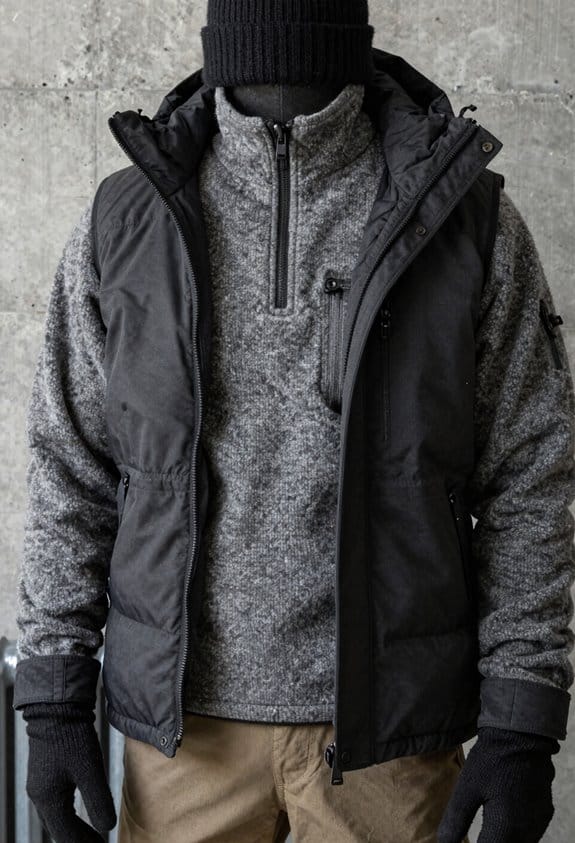
Living in a cold apartment can be a real challenge, especially when you’re trying to stay cozy. Dressing in layers is key. Why? Because multiple loose, light layers keep your body heat trapped far better than a single heavy item.
Start by selecting the right fabrics. Wool is a winner! It’s a natural insulator, keeping you warm even when it’s damp. Cotton? Not so much; it tends to cool you down. Next, think about your outer layer. A tightly woven, waterproof jacket can work wonders. It blocks those annoying drafts and keeps the warmth where you need it.
Let’s not overlook accessories. Hats, gloves, scarves, and thermal socks are essential; you lose heat quickly through your extremities. Covering up those areas makes a big difference.
Taking these steps isn’t just about comfort; it’s also about health. Staying warm means keeping your core temperature steady, which helps avoid risks like hypothermia.
Layering and accessorizing can make a huge impact on your comfort level in a chilly space. So, don’t rely solely on the thermostat or unsafe heating methods. Stay warm, stay smart! Using impact protection gear teaches us the value of safeguarding vulnerable areas, which is just as important for your body’s core warmth.
How to Insulate Your Cold Apartment Effectively

Is your apartment feeling more like an icebox than a cozy retreat during winter? Believe me, I’ve been there. While bundling up in sweatshirts and socks can keep you warm temporarily, making your space more insulated is the real game changer.
Start by sealing up those little gaps around your windows and doors. Weatherstripping and caulking work wonders here. They block cold drafts and help your heating system run more efficiently.
Next up, think about your walls and floors. Insulating them with foam board or fiberglass can significantly cut down on heat loss when the temperatures drop. If you want to keep the chill from creeping in the windows, hanging thermal curtains is a smart move. Those extra layers do a fantastic job of trapping heat.
You also need to pay close attention to any exterior walls with plumbing. Properly insulating those areas can stop pipes from freezing and bursting, which is a nightmare situation.
Finally, don’t forget about your floors. Placing area rugs or carpets can make a big difference in how warm your living space feels. They help retain the heat and make things cozier.
Additionally, wearing insulated and waterproof footwear indoors during extreme cold can help prevent heat loss and reduce the risk of hypothermia.
To recap, by sealing drafts, insulating walls and floors, adding thermal curtains, and using area rugs, you can keep your apartment warm and comfy all winter long. So, why not get started today? A few small changes can lead to a much cozier living space.
Safe Heating Alternatives Without Space Heaters

Staying warm in winter can be a real challenge, especially if you want to avoid using space heaters. Trust me, I’ve been there. The key? Keeping your apartment at a comfy minimum temperature of 55 degrees Fahrenheit. You don’t want to freeze while waiting for the heat to kick in!
Here’s what I’ve learned over the years about keeping the chill out:
- Use Your Central Heating: Make this your go-to heat source. Regular maintenance is essential, so check those air filters and get your system serviced. A clean system runs smoother and can help keep your place toasty.
- Seal Those Drafts: Cold air sneaks in through windows and doors. Invest in weather stripping or caulk to block those drafts and keep the warm air inside.
- Invest in Thermal Curtains: These bad boys hold in heat and can make a noticeable difference. They’re like cozy blankets for your windows!
- Open Interior Doors: Keep them open to allow heat to flow. This simple tip can help every room in your apartment stay warm and inviting.
For backup power during outages, consider a sturdy portable power station to maintain safe heating and power multiple devices simultaneously.
Surprisingly, all these tricks can help you stay snug without relying on space heaters, which can lead to dangerous carbon monoxide buildup or even fires.
In the end, maintaining a warm space is all about smart choices. With a little effort, you can enjoy a safe and toasty home. Stay warm out there!
Tips to Prevent Frozen Pipes in Cold Apartments
Winter can be brutal, especially if you live in a cold apartment. One minute you’re cozying up with a cup of cocoa, and the next, you’re dealing with the nightmare of frozen pipes. Nobody wants that kind of hassle, right? So, let’s talk about a few straightforward ways to keep your plumbing safe and sound through those frosty days.
Start by keeping your indoor temperature steady. Aim for at least 55 degrees Fahrenheit. Even if you’re out for a while, don’t let the place get too chilly. Just a bit of warmth goes a long way in preventing a freeze.
Next, consider letting your faucets drip a little. A small trickle of hot and cold water can keep things moving and make it harder for pipes to freeze.
Insulating is another smart move. Wrap those pipes along exterior walls with foam sleeves or heat tape. This simple step creates a barrier against the cold air that sneaks in.
Don’t forget about those cabinet doors under your sinks. Open them up! This allows warmer air from your apartment to circulate around your plumbing. It’s like giving your pipes a cozy hug.
Planning for a cold snap? Try running a short rinse cycle on your washing machine. This helps keep the water warm and flowing. And if you have outdoor storage closets, make sure they’re tightly closed to protect your water heaters and exposed pipes from the chill.
Also, maintaining proper air circulation around your pipes helps reduce cold spots, similar to how ventilation systems in hard hats promote airflow.
To wrap things up, a few thoughtful steps can help you avoid the stress and expense of frozen pipes. Stay warm and protect those pipes—you’ll be glad you did!
Hypothermia Signs and What to Do Quickly
Hypothermia can sneak up on you, even in your apartment. Picture this: you’ve got the heat on, but it still feels chilly. If the temperature dips too low for too long, you might find yourself dealing with an unexpected cold emergency.
So, what should you look for? Keep an eye out for early signs like:
- Shivering
- Confusion
- Exhaustion
- Drowsiness
These are your body’s warning signs. And don’t forget about frostbite! Look for numbness or skin that looks pale and cold. If you spot these symptoms along with a low body temperature, don’t hesitate.
And it gets even more serious if there are little ones involved. Babies might have bright, cold skin, which is a red flag that needs immediate action. What’s the best course of action in these moments?
- Call for medical help right away.
- Move the person to a warmer room.
- Strip off any wet clothing.
- Wrap them in blankets to gradually increase their body temperature.
Taking swift action can prevent serious health risks from prolonged exposure to the cold—yes, even indoors.
In short, be vigilant and proactive. It could make all the difference. Stay warm out there! Using adjustable temperature controls on safe heating devices can help maintain a comfortable indoor environment while minimizing risks.
How to Winterize Your Apartment for Long Cold Spells
When winter really hits, it can feel like your apartment is just one draft away from turning into an icebox. Nobody wants to come home to a frozen space or, even worse, deal with burst pipes. To keep your cozy haven warm and snug, it’s important to take some proactive steps.
First off, make sure your thermostat is set to at least 55 degrees. You might think, “Why bother if I’m not home?” Well, keeping it warm helps avoid stressing your heating system and protects those vulnerable pipes. Every little bit helps!
Next, let’s talk drafts. Those pesky gaps around windows and doors can really let the chill in. Grab some weather stripping or caulk and seal them up. This simple fix traps heat better and can trim down your energy bills, especially when the temperatures dip into the single digits.
Don’t overlook your pipes! Insulating them with foam or tape is essential to prevent freezing. And here’s a little trick: letting your faucets drip slowly keeps the water moving, which can thwart any freeze-ups.
Keeping your heating system in tip-top shape is key. Regular maintenance and clean air filters can make a huge difference in efficiency. Trust me, it’s worth the effort to ensure you’re not left in the cold.
It’s also wise to have emergency water containers on hand in case pipes do freeze or burst, ensuring you have a safe and reliable water supply.
These tips can help you stay warm and keep your furry friends safe when winter brings its chill. Stay cozy and enjoy the season!
Frequently Asked Questions
Can I Get Hypothermia From a Cold House?
Oh sure, if you love living like a popsicle, cold environments can drop your body temperature fast! We don’t want you showing symptoms hypothermia, so let’s stay safe indoors with warm clothing—risk factors aren’t worth it.
How to Stay Warm During a Cold Snap?
To stay warm during a cold snap, we use draft prevention strategies, layer cozy clothing, choose safe heating alternatives, try energy-efficient solutions, do indoor exercises, and enjoy warm beverage recipes to keep cozy and comfortable together.
At What Temperature Do You Start Getting Hypothermia?
Imagine a car engine freezing below 95°F; that’s when hypothermia symptoms kick in. We must assess cold exposure factors and temperature thresholds to regulate our body temperature, recognizing risk and knowing when emergency response becomes essential.
What Are Three Ways You Can Prevent Hypothermia?
We can prevent hypothermia by wearing layered clothing, using heated blankets or space heaters safely, and keeping warm beverages handy. Insulated windows and draft stoppers also help maintain warmth and reduce cold exposure indoors.


