As an Amazon Associate, we earn from qualifying purchases. Some links on this site are affiliate links at no extra cost to you. Our recommendations are based on thorough research and editorial judgment.


Fire Safety in Dense Housing: Escape Plans That Work in Real Life

Living in a densely packed building comes with its share of challenges, especially when it comes to fire safety.
You may be interested


Picture this: a fire breaks out, and you’re in a room with no clear way out. It’s a nightmare scenario that’s more common than we like to think. That’s why having a solid escape plan is not just smart—it’s a must.
Start by mapping out two routes to safety from every room. Think of it like a game plan. Doors and windows should always be easy to reach. If your unit is high up, don’t forget about escape ladders. They can be lifesavers when you need to get out quickly.
You might wonder how to make this work for everyone in your building, especially those who might need extra help. That’s where roles come into play.
Designate helpers and dispatchers. Helpers should assist anyone who struggles with mobility. Dispatchers can call 911 once everyone is outside.
No plan is complete without regular practice. Schedule fire drills at different times to make sure everyone knows what to do, even in the dark of night.
Choose a safe meeting spot well away from the building. This location should be easily recognizable and accessible.
Consider upgrading your smoke alarms. Smart alarms can alert you on your phone, giving you more time.
And if you’re using escape ladders, practice with them. It’s one thing to have them; it’s another to know how to use them under pressure.
By following these steps, you’ll create a safe environment for everyone. A well-thought-out escape plan doesn’t just save lives—it gives peace of mind.
So, take a moment today to plan your escape. It could make all the difference in a crisis.
Key Takeaways
- Identify two clear and unobstructed escape routes from every room, including windows with fire escape ladders for upper floors.
- Assign specific roles like Communicator, Helper, and Dispatcher to ensure organized evacuation and prompt emergency response.
- Conduct realistic fire drills twice yearly, varying times and involving all residents to foster familiarity with routes and alarms.
- Choose a designated, easily recognizable meeting spot at least 100 feet from the building for safe post-evacuation gathering.
- Enhance safety with interconnected smoke alarms, regular testing, and use of quick-deploy ladders tailored to the home’s layout.
Why Dense Housing Needs Specialized Fire Escape Plans

Living in close quarters can be a blast—neighbors become like family, and there’s always someone around for a quick chat. But when it comes to fire safety in apartment complexes and condos, things get real serious, real fast. Multiple families using the same exits means tailored fire escape plans aren’t just important—they’re essential.
First off, clarity is key. Your fire safety plan should:
- Identify all escape routes.
- Consider possible blockages, like furniture or smoke.
- Ensure smoke alarms are placed in every unit and hallway, and they’re tested regularly to catch danger fast.
You might wonder about those upper floors. Escape ladders are a must-have. They provide an alternative exit that could make all the difference in an emergency.
Don’t forget about communication! Designate a safe meeting spot outside where everyone can gather. Knowing where to go after evacuating can do wonders for peace of mind.
Regular fire drills? Absolutely crucial. They help everyone get familiar with the routes, identify hazards, and respond calmly when the pressure’s on.
Safety is about being prepared. With the right plan, we can protect ourselves and our neighbors in these shared spaces. It’s always better to be safe than sorry, so let’s make sure we’re ready in case the unexpected happens. Including tools like effective signaling devices can further enhance safety by ensuring quick communication during evacuation.
Map Two Clear Fire Escape Routes From Every Room

Fire safety is something we all think about, but how often do we put a plan into action? Mapping out two clear escape routes from every room in your home is crucial. We’re talking about a door and a window—two straightforward exits that can save lives in an emergency.
Start with a detailed floor plan. Mark your exits and ensure they’re easy to open and clear of clutter. You don’t want anything blocking your way when every second counts. If you live on an upper floor, consider adding fire escape ladders. They can make a world of difference.
Practical experience is key here. Regular fire drills will help everyone in your home know exactly what to do. Keep things fresh—try practicing different routes to reduce confusion.
Now, if you have family members with mobility issues, be sure to create specific pathways for them. Map out assistance plans so everyone can escape safely.
In short, being proactive about fire safety is essential. Rescue items like a fire blanket should be easily accessible to help control small fires quickly. With planning, practice, and an updated floor plan, you’ll be better prepared for an emergency. Stay safe!
Recommended Products

Designed for use with up to 4 foot wide egress windows

【 Safety and Comfort 】 As the escape ladder rungs are designed to be easy to grip and climb, safe for anyone to use, including children and the elderly. Rounded edges and a smooth finish eliminate any physical danger of cuts or scratches.

【 Safety and Comfort 】 As the escape ladder rungs are designed to be easy to grip and climb, safe for anyone to use, including children and the elderly. Rounded edges and a smooth finish eliminate any physical danger of cuts or scratches.
Choose a Safe Outdoor Meeting Spot Near Your Building

When a fire hits, getting out is just the beginning. You need a solid plan for where to meet up once everyone has safely escaped your home. The goal is to find a spot that’s both close and safe—ideally, at least 100 feet away. This distance helps you stay clear of smoke, falling debris, and other dangers.
So where should this spot be? Pick an easily recognizable location. Here are a few suggestions:
- A neighbor’s driveway
- A large tree in the park
- The corner of the street
Make sure everyone knows exactly where to go. It’s essential to choose a place that’s accessible year-round and free of any obstacles like cars or fences.
It’s crucial that each person heads straight to this meeting point without going back inside, no matter what. Once you’re all gathered, appoint someone to call 911. This clarity in your fire escape plan reduces confusion, which can be essential when emergency responders arrive.
For enhanced safety, consider incorporating features that improve slip resistance in your escape routes to prevent accidents under stress.
In the end, having a designated meeting spot is a simple step that can make a big difference in keeping your family safe. So take the time to plan ahead. Trust me, it’s worth it.
Recommended Products

✅ DURABLE, PREMIUM MATERIAL: Our Driveway reflectors markers are made from durable fiberglass that can stand in any weather condition. Our Snow Stakes are the premium quality snow stake on the market. They are 5/16" in diameter which is essential for durability and longevity. We strive for perfection and quality. These stakes are plain (no Tape no Cap)

Video Lighting Kit Includes: (2) GVM 1000D RGB LED Video Lights with U Bracket and Barn Door; (2) power cord; (2) power adapter; (2) white diffuser; (2) light stand; (2) Softbox for gvm light; (1) carry bag

Includes - 5 Hydrant Markers
Use Fire Escape Ladders Safely in Multi-Level Homes
Imagine this: it’s a typical evening when suddenly you smell smoke. Panic sets in. If you live in a multi-level home, traditional escape routes like stairwells might quickly become dangerous. This is where fire escape ladders come into play. Having them readily accessible can be a lifesaver in those critical moments.
Storing fire escape ladders near windows is vital. You want them easy to access, allowing for a quick deployment when every second counts. They should be out of sight yet within reach. Also, don’t forget to include the whole family in practicing these escape routes. It’s not just about knowing they’re there—everyone, especially those with mobility challenges, should feel comfortable and confident using the ladders.
Take a moment to think about your home’s specific needs. Here are a few pointers for choosing the right ladder:
- Measure window heights accurately.
- Select ladders based on your home’s layout.
- Ensure they have a secure grip for easy climbing.
Consistent practice is key. Regularly running through escape plans and getting familiar with all your options can really boost your family’s safety. The goal is to have a seamless evacuation to your safe meeting spot.
In the end, preparation makes all the difference. Being ready can transform a stressful situation into a swift escape. Stay safe out there! Remember, just like anti-fog coatings help maintain clear vision in swimming goggles, keeping your escape ladders well-maintained and free of obstructions ensures they will function properly when needed, acting as a crucial part of your emergency preparedness.
Recommended Products

FIRE-RATED SAFETY: Equipped with a fire-rated insulated door that provides up to 30 minutes of flame resistance, tested to ASTM E-84 standards for added home protection.
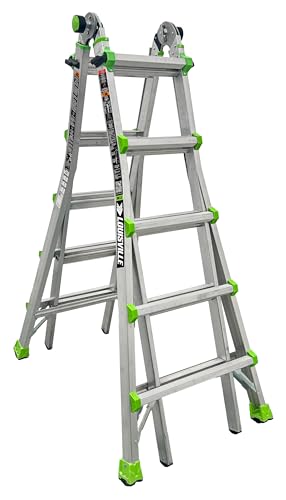
Changes Into 6 Different Positions

【ANSI-Certified & Wide Flared Leg Design for Anti-Tipping】:ANSI-ASC A14.2-2017 certified, 300 lbs extra heavy-duty capacity. Widened flared legs with non-slip feet boost stability, preventing tipping.
Assign Roles in Your Fire Escape Plan
Fires can strike at any moment, and when they do, chaos often follows. No one wants to be scrambling around wondering who’s doing what during a crisis. That’s why having an organized fire escape plan is crucial, and assigning specific roles to each family member can make all the difference.
So, who does what during an emergency? Consider these roles:
- The Communicator: This person alerts everyone to the emergency, making sure no one is left in the dark.
- The Helper: This individual assists children, the elderly, or anyone with mobility issues so they can evacuate quickly.
- The Dispatcher: Once everyone is out, this adult calls 911 and gives the necessary information to emergency services.
- The Sentry: Responsible for ensuring all family members and pets reach the designated safe meeting place, this person keeps a head count and quickly tells the fire department if someone is unaccounted for.
You might wonder, why is this structure so important? Clarity reduces panic. In the heat of the moment, knowing who to look to for guidance can save precious time. Plus, practicing these assigned roles during fire drills reinforces a clear routine that helps everyone feel more confident.
Don’t just set it and forget it; make it a habit to review your escape plan. Regularly practicing will keep everyone sharp and ready to act when it matters most. This way, when the alarm goes off, you’ll be prepared to respond quickly and effectively. Additionally, equipping your home with an emergency power supply can provide crucial support for devices like communication tools during evacuations.
Practice Realistic Fire Drills Regularly
Fire drills aren’t just a chore; they’re essential for keeping your family safe. I’ve learned from experience that conducting realistic fire drills at least twice a year can truly save lives. It starts with practicing all the escape routes in your home. That way, everyone knows how to get out quickly in case of a real emergency.
When you gather your household for a drill, make sure to include the smoke alarm. Kids need to recognize its sound and understand it means to move fast. They might think it’s just a loud beep, but educating them about its urgency can make a big difference. Don’t forget—crawling low is key. Smoke rises, obscuring visibility, so getting down low can help avoid smoke inhalation.
Now, let’s talk strategy. Vary the timing of your drills. Try morning, afternoon, or even late at night to simulate real scenarios. You’ll want to be ready for anything. Assign roles ahead of time, especially for those who may need extra help, like young children or family members with disabilities. Having a plan can keep things calm and organized during a real evacuation.
Practicing fire drills regularly isn’t just about going through the motions; it’s about preparation and peace of mind. Storing a Fireproof Document Bag in an accessible area can ensure vital papers are safe and ready during evacuation. So, gather your family, create a plan, and make safety a priority. You’ve got this!
How to Stay Safe When Staircases Are Blocked or Crowded
Fire drills are crucial, but let’s face it—what happens when the staircases are blocked or crowded? This is a real concern we need to address. Knowing all your exits and escape routes is essential. Look for every possible way out, including windows if you have escape ladders.
Now, when you’re in a hurry, don’t forget the basics. Always close doors behind you. Why? Those doors can slow down the heat and smoke, which could save you minutes when every second counts. If you find yourself trapped, there are some quick fixes you can use. Seal any gaps around the door with towels or duct tape. Then signal for help by opening a window or shining a flashlight to attract attention.
Practicing different scenarios is a smart way to get ready. Run through these drills regularly with everyone involved. It could make all the difference in a real emergency. You definitely want to sound the smoke alarm right away if you detect a fire. Once you’re outside, head straight to your designated safe meeting place to ensure everyone’s accounted for.
These fire safety steps can significantly improve your chances when primary staircases aren’t available. So, stay sharp and be prepared—your safety could depend on it! Keeping emergency gear like a lightweight survival tent accessible can provide crucial protection if you need to evacuate outdoors unexpectedly.
Recommended Products

☀【Material】The Floor Standing Bunk Bed Ladder is made of metal iron. The surface is treated with high-temperature baking paint to make it more beautiful and durable. The sturdy iron pipe has strong load-bearing capacity, is not easy to deform, and is more stable. (150 kg/330 lbs weight capacity.)

【 Safety and Comfort 】 As the escape ladder rungs are designed to be easy to grip and climb, safe for anyone to use, including children and the elderly. Rounded edges and a smooth finish eliminate any physical danger of cuts or scratches.

ROBUST HIGH-GRADE STEEL CONSTRUCTION: This egress window ladder is crafted from high-grade powder coated steel for lasting strength in any home. Ideal as a basement ladder or escape ladder for a basement window, it offers security for emergencies. Suitable for any egress window well, this durable window well ladder ensures a quick and dependable exit in times of emergencies.
Prepare Children and Vulnerable Residents for Emergencies
Fire emergencies can be scary, especially when you think about how to keep kids and those who need extra help safe. It’s not just about the flames; it’s about planning and practicing. So, let’s break down what you can do.
First things first, assign roles. Kids need to know their part in an emergency. Here’s how to make it work:
- Conduct fire drills: Don’t just pick a time—mix it up. Practice at different hours, like when everyone’s busy getting ready for bed or during a snack. This way, they learn to think on their feet.
- Sound recognition: If you have little ones, teach them what the smoke alarm sounds like. Stress how urgent it is to leave the house immediately when they hear that noise.
- Accessible routes: For those who may need extra assistance, ensure they understand how to use the safest evacuation paths. Show them which doors to use and where to meet once they’re outside.
Let’s be real—never go back inside a burning building. That’s a rule everyone needs to follow. Instead, make sure everyone knows the safe meeting area outside.
This isn’t just a tick-the-box exercise. Having a clear escape plan helps everyone feel more confident and could be the difference between life and death. Also, remember to keep emergency supplies like water purification drops on hand to ensure safe hydration during evacuations.
Share Your Escape Plan With Neighbors and Visitors
When it comes to fire emergencies, having a solid escape plan is no joke. Sharing that plan with your neighbors and visitors can make all the difference in a crisis. You want everyone to know exactly how to get out safely and where to meet up afterward.
Start by breaking it down. Explain the exit routes. Point out safety measures. And, don’t forget to choose a designated meeting spot. This ensures that everyone knows how to evacuate without a hitch. Think about potential hiccups too—like blocked stairwells—and team up with neighbors to figure out quick solutions.
Don’t stop there. Invite your neighbors to join in on fire drills. This not only helps everyone get on the same page but also builds trust and familiarity with the plan. Visual aids can be incredibly helpful as well. Simple pictures or diagrams can make your escape plan easy to understand, especially for those who might struggle with English.
Also, consider keeping a trauma kit bag nearby to provide immediate medical care if anyone gets injured during an emergency.
Enhance Your Fire Escape Plan With Smart Safety Tools and Sprinklers
Having a fire escape plan is crucial, but there’s a lot more we can do to boost our safety at home. Smart safety tools and residential sprinkler systems can offer added peace of mind. Let me share some insights from my own experience.
Start with interconnected smoke detectors. These babies not only sound an alarm in the room where the smoke is, but they also notify every other alarm in your home. That way, no one misses the alert. It’s a game plan that keeps everyone informed.
Next, consider investing in smart sprinkler systems. They can activate automatically and even put out small fires before the firefighters arrive. This can lower the risk of injury by over 80%—that’s a huge number! It’s like having your own mini fire department at home.
Don’t forget about your smoke alarms. Regularly test them and change those batteries. Shockingly, 25% of smoke alarms fail due to power loss, which could be a serious problem when you need them most.
Apps linked to these smart devices are also worth looking into. They send real-time fire alarm alerts directly to your phone, keeping you in the loop no matter where you are. This extra layer can really boost your readiness for an emergency.
If you’re in a multi-story building, think about adding quick-deploy fire escape ladders. It’s better to have a plan that gets you out quickly.
Including a high-quality carbon monoxide mask in your emergency kit can provide crucial protection in case of smoke inhalation or poor air quality.
These smart safety tools, combined with a solid escape plan, really amp up your chances of making it to safety. Invest in these measures, and you’ll not only feel safer but also be better prepared for whatever comes your way. Stay safe out there!
Frequently Asked Questions
What Are the 5 P’s of Fire Evacuation?
Remember the Thompson family’s fire drill? The 5 P’s—People, Plan, Practice, Post, Prepare—ensure escape routes, resident training, emergency communication, safety equipment, and evacuation timing all work smoothly, so we and you stay safe together during fires.
What Are the 5 E’s of Fire Safety?
It is understood that the 5 E’s of fire safety are Education, Encouragement, Enforcement, Engineering, and Evaluation. They guide fire prevention strategies, emergency response training, smoke detector maintenance, fire drill frequencies, community awareness programs, and evacuation route signage.
What Are the 5 Key Elements of a Fire Safety Management Plan?
Oh sure, we just love surprises during emergencies! The five key elements of a fire safety management plan are smoke alarms, evacuation routes, emergency lighting, firefighter access, plus tenant training and fire drills to keep everyone prepared and safe.
What Is the Alternative to a Fire Escape?
The alternative to a fire escape includes using fire escape ladders and well-maintained emergency exits. We rely on smoke detectors, fire alarms, clear evacuation routes, fire barriers, and regular fire drills to keep us safe during emergencies.


