As an Amazon Associate, we earn from qualifying purchases. Some links on this site are affiliate links at no extra cost to you. Our recommendations are based on thorough research and editorial judgment.


Food Storage in Humid Climates: Mold Prevention and Container Choices

Living in a humid climate can be a real challenge, especially when it comes to keeping our food fresh. Mold loves moisture, and if you’re not careful, your pantry can turn into its playground. I’ve learned a few tricks over the years to keep food storage mold-free, and I’m excited to share them with you.
You may be interested


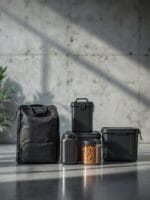
First off, you need to keep the humidity in your storage area below 60%. Investing in a good hygrometer can help you monitor the levels easily. Trust me, it’s a small price to pay for peace of mind when it comes to your food.
When picking containers, my go-to choices are:
- Airtight glass jars
- HDPE plastic containers
- BPA-free plastic options
These types are great at blocking moisture. You might wonder about those extra little tricks—adding desiccant packs inside your containers can absorb excess humidity.
Another solid strategy? Vacuum sealing your food. It cuts down on both air and moisture, which could double the shelf life of your items.
Also, always store dry food and keep moisture-prone items separately. Clean and dry food isn’t just a suggestion; it’s a must. This simple tip goes a long way in reducing the risk of mold.
By following these easy steps, you can ensure your food stays fresher longer and safe from mold. Keep the battle against humidity going—your pantry will thank you!
Key Takeaways
- Maintain humidity below 60% using a hygrometer and dehumidifiers to prevent mold growth on stored food.
- Use airtight, moisture-resistant containers like HDPE, glass, or BPA-free plastics to block moisture effectively.
- Incorporate desiccant packets inside containers to absorb excess humidity and extend food shelf life.
- Vacuum sealing with strong moisture barrier bags doubles food preservation time in humid conditions.
- Regularly inspect containers, replace desiccants, and rotate food to ensure optimal moisture control and prevent spoilage.
How Proper Moisture Control Prevents Mold Growth

Mold is the last thing you want ruining your food storage. Keeping humidity levels below 60% is crucial, especially for preserving edibles. Trust me, I’ve learned this the hard way. If moisture creeps in, mold starts to party, and your food can spoil much faster than you’d like.
Here are some easy strategies to keep mold at bay:
- Use Airtight Containers: They really do make a difference. When you seal food away, you block out unwanted moisture.
- Add Desiccants: Toss a few little packets of desiccant inside those containers. They soak up leftover humidity, making your food safer.
- Monitor Humidity: Grab a hygrometer. It’s a simple tool that tells you how humid it is in your storage area. Keeping an eye on those levels helps you make quick adjustments.
Don’t forget about separating your food! Fresh produce needs a bit more humidity to stay fresh, while grains and dried goods thrive in lower humidity. It’s all about finding that right balance. Using airtight containers with multiple compartments can also help maintain optimal moisture levels by keeping food types organized and properly sealed.
Why Humidity Encourages Mold in Food Storage

Humidity can be a villain in our kitchens, especially when it comes to food storage. Did you know that when humidity creeps above 60%, it’s a golden ticket for mold to set up shop on your food? High humidity adds moisture to the air, which then lands on the surfaces of your food and its packaging. That damp environment is like a VIP pass for mold spores—which, by the way, are everywhere—to germinate on perishable items like fruits, vegetables, and bread.
Here’s another thing to consider: excess moisture brings about condensation on cold storage surfaces. That creates even more opportunities for mold to flourish. So, what can we do about it? Here are a few tips to help keep the mold at bay:
- Use dehumidifiers: These handy gadgets extract moisture from the air, keeping levels in check.
- Try moisture absorbers: Products like silica gel can absorb excess humidity in your food storage areas.
- Monitor humidity: Invest in a hygrometer to keep an eye on your indoor humidity levels.
With consistent humidity control, you can protect the quality of your food and extend its shelf life. This is especially important in humid climates where mold can thrive in no time. Take charge of your kitchen environment, and you’ll enjoy fresh, mold-free food! Additionally, selecting airtight containers designed to seal out air and moisture is crucial for preventing mold growth during storage.
Best Container Materials for Mold Prevention in Humid Climates

Living in a humid climate can be a real challenge, especially when it comes to keeping food fresh and mold-free. I’ve had my fair share of battles with mold over the years, so I wanted to share what I’ve learned about container materials that make a difference.
High-density polyethylene (HDPE) containers are my go-to. They handle moisture really well and are tough enough to withstand daily use. If you haven’t tried using HDPE, I highly recommend it. Glass containers are also fantastic. They don’t just look good; they also block water vapor, which is key for keeping your food quality intact when the air is humid.
Metal containers can be tricky, though. Make sure they’re coated properly. If not, rust and moisture can sneak in, leading to mold. You want to ensure that whatever metal container you choose can stand up to the humidity.
What about plastic? BPA-free plastic containers can be surprisingly effective for food storage. They resist humidity better than you might think. If your main concern is non-food items, breathable fabric storage bags are a decent option. They wick moisture away and let air circulate, but I wouldn’t trust them for food storage.
Here’s a quick recap:
- HDPE containers: Moisture-resistant and durable.
- Glass containers: Block water vapor effectively.
- Coated metal containers: Prevent rust and moisture issues.
- BPA-free plastic: Good for fighting humidity.
- Fabric bags: Great for non-food items, not for food.
Choosing the right container can significantly reduce mold risks and prolong the shelf life of your items. Stay proactive, and you’ll have fewer mold problems to deal with! Additionally, understanding multi-stage filtration systems can inspire better moisture control techniques in storage solutions.
Choosing Airtight Containers to Block Moisture
Living in a humid climate can be a real headache when it comes to storing food. Have you ever opened a bag of cookies only to find them ruined by mold? It’s frustrating! Choosing the right airtight containers is crucial to keeping your food fresh and preventing spoilage.
First off, focus on containers that keep moisture out. Look for those with strong seals. Depression seals are a fantastic option because they limit the air that can get trapped inside. Less air means less moisture. Containers made from high-density polyethylene (HDPE) are excellent, too. They’re tough against dampness, perfect for long-term storage.
You might wonder how to take it a step further. A simple trick is to toss in some desiccants, like silica gel packs. They work wonders by soaking up any leftover moisture inside the container. Just remember to check your containers regularly. Make sure the seals are still tight; that’s key to keeping the moisture out.
To recap, using the right airtight containers, checking seals, and adding desiccants can help you save your food from mold in humid weather. Using food-grade materials ensures that your containers are safe for storing edibles while also resistant to moisture absorption. Keeping your food fresh can be simple if you take these steps. Happy storing!
Using Vacuum Sealing to Protect Food From Mold
Humidity can be a real headache when it comes to storing food, but I’ve found that vacuum sealing is a game-changer. It effectively keeps mold away and preserves your food much longer. By sucking out the air and moisture from the packaging, you not only minimize moisture absorption but also put a stop to mold growth.
You might wonder why this matters. For perishables, this method is crucial. It prevents oxidation and keeps microbes at bay, which means your food stays fresh for a longer time. In fact, I’ve noticed that vacuum-sealed foods can last twice as long in humid conditions compared to their non-sealed counterparts. That’s huge!
To get the most out of vacuum sealing, here’s what I recommend:
- Use vacuum-sealed bags that have strong moisture barriers.
- Always check that your seal is airtight.
- Store perishable items for 1-2 years, tailoring the timing based on the food type.
Additionally, combining vacuum sealing with proper storage solutions can enhance food protection especially in challenging environments.
This simple approach has been essential for maintaining freshness in my kitchen, especially when the weather gets muggy. So, if you’re tired of mold ruining your meals, give vacuum sealing a shot. It really can make a significant difference! Keep your food safe and your kitchen mold-free.
How Desiccants Help Keep Food Dry and Mold-Free
Humidity can be a real headache, especially when it comes to food storage. If you’ve ever opened a container and found that your snacks have gone moldy, you’re not alone. The secret weapon? Desiccants like silica gel packets. These little sachets work wonders by soaking up excess moisture.
Why is that important? Mold loves humidity, especially in places where it often creeps above 60%. To beat the mold, consider these tips:
- Add Multiple Packets: If you’re storing items in larger containers or in areas prone to moisture, toss in a few extra desiccants. They’ll work harder to keep things dry.
- Seal It Up: Always use airtight containers. This prevents outside moisture from slipping in. It’s a simple step that makes a huge difference.
- Replace Regularly: Desiccants have a shelf life. Over time, they lose their moisture-absorbing power. Keep an eye on them and swap them out as needed.
For enhanced food preservation, consider combining desiccants with oxygen absorbers to extend shelf life and maintain quality.
Preparing Food Properly to Prevent Mold Before Storage
Moldy food is a real nightmare, and it can sneak up on you when you least expect it. You know that feeling when you reach for some fruit, only to find it fuzzy and gross? Yeah, not fun. To keep your food fresh and mold-free, it’s all about the prep!
First things first, give those fruits and veggies a thorough wash. Clean them well to remove any dirt and bacteria. After washing, the key is to dry them completely. Excess moisture is a mold’s best friend, so take your time here.
Here’s what you can do:
- Dry everything: Use a clean towel or let them air dry. No moisture allowed!
- Choose your storage wisely. Opt for breathable, acid-free containers. Think of them as a cozy home for your food, keeping air flowing and mold at bay.
- Add desiccants: Silica gel packets work wonders. Toss a few in your containers to soak up any leftover humidity.
- Avoid overcrowding: Give your food some breathing room. Too tightly packed, and airflow goes right out the window.
To further enhance food preservation in your pantry, consider incorporating stackable can organizers to improve airflow and reduce moisture buildup around stored goods.
Organizing Food Storage to Stop Moisture Transfer and Mold
Have you ever opened your pantry and spotted that dreaded mold on your food? It’s frustrating! Once you’ve done your part to prepare food carefully, the next step is organizing how you store it. Trust me, that can make a huge difference in keeping mold at bay.
To keep your pantry in tip-top shape:
- Separate high-moisture foods from dry goods. This is key! Use dedicated airtight containers for each type.
- Go for glass jars or high-quality plastic containers with snap-locks. They help keep air out, which is crucial since fluctuating humidity can invite mold growth.
- Add desiccants like silica gel packets inside those containers. These little guys are moisture-absorbers and will help maintain a dry environment.
- Elevate your containers, whether on shelves or wooden pallets. This simple change enhances airflow and minimizes moisture coming from the ground.
Just like the importance of durable, weather-resistant materials in outdoor gear, choosing containers with moisture-resistant features can significantly improve your food storage’s effectiveness.
By following these steps, you can create a pantry where humidity stays in check. Not only does this protect your food from mold, but it also helps keep everything fresh and safe for longer.
Regular Maintenance and Checks to Spot Mold Early
Mold can sneak up on you, especially in your food storage. Trust me; keeping it at bay isn’t just a good idea—it’s essential! Regular maintenance and checks can make all the difference.
First off, inspect your food storage containers at least once a month. Look for any signs of spoilage or moisture. This simple step can save you from a mold problem later. Consider getting a hygrometer to keep tabs on humidity levels. Ideally, you want to keep them below 60% relative humidity. That’s where mold struggles to grow!
Before you put food away, make sure your containers are squeaky clean and completely dry. This tiny action can significantly cut mold’s chances of setting up camp. Don’t forget to rotate your stored food every few months! This helps air circulate and prevents any moisture from settling.
If you spot mold, act fast. Toss out any contaminated foods immediately, and grab your trusty water and vinegar mix to clean the area. This simple solution will help halt the spread and keep your food fresh and safe.
Staying on top of these checks is key to preventing mold problems. With a little regular maintenance, you can enjoy peace of mind knowing your food is safe to eat! So, take these steps and keep that mold at bay!
Also, using durable packaging materials like heavy-duty, water-resistant containers can further reduce moisture intrusion and protect your stored food over time.
Adjusting Storage Practices for Seasonal Humidity Changes
As the seasons shift, so does the humidity—and that can wreak havoc on our food storage. When those humidity levels spike to between 80 and 95%, it’s a real recipe for mold and spoilage. So, what can we do about it? Here are some tried-and-true methods to keep our food fresh and safe.
First off, keeping an eye on humidity levels is crucial. Regular monitoring can make all the difference. Invest in a good dehumidifier for your storage areas; aim to keep the moisture between 75 and 85%. It’s a simple and effective way to combat excess humidity.
Next up, let’s talk about dry goods. Store them in airtight containers or vacuum-sealed bags. These methods limit moisture absorption and should keep humidity levels around 15% or lower. Trust me, this step alone can prolong the shelf life of your staples.
You might wonder about those little silica gel packets or desiccants you find in packaging. They’re not just for show! Be sure to check and replace them regularly. This keeps the environment dry and helps prevent mold.
When it comes to fruits and veggies, breathable storage is key. Using mesh bags or even a simple basket can promote airflow, stopping condensation from building up. This way, you’re significantly lowering the chances of spoilage.
For bulk dry goods like wheat berries, using airtight containers with silicone seals ensures moisture and air are kept out, preserving freshness even in humid climates.
Frequently Asked Questions
How to Store Food in a Humid Climate?
We’ll master moisture management by mixing moisture control methods with dampness absorption materials, following food preservation techniques, maintaining optimum temperature range, and embracing best storage practices together to keep your foods fresh, flavorful, and free from fungal foes.
What Can I Put in My Storage Box to Prevent Mold?
We can put mold inhibitors like silica gel and baking soda in our storage boxes, add essential oils for a fresh scent, and use humidity absorbers to keep moisture low, effectively preventing mold growth together.
How Do You Prevent Mold in High Humidity?
Like a fortress shielding us from invaders, we use mold resistant materials, moisture absorbing agents, and climate control techniques. Combining food drying methods with ventilation strategies keeps humidity low, preventing mold and safeguarding our stored items effectively.
Do Airtight Containers Prevent Mold?
Yes, airtight containers help prevent mold by limiting humidity levels and blocking mold spores. Choosing the right container materials boosts food preservation, while combining them with climate control measures guarantees our food stays fresh and mold-free.


