As an Amazon Associate, we earn from qualifying purchases. Some links on this site are affiliate links at no extra cost to you. Our recommendations are based on thorough research and editorial judgment.


Safe Food Handling During Blackouts: When to Keep, Cook, or Toss

When the power goes out, it’s a race against time to save our food. Ever been in that panic mode? Keeping those fridge and freezer doors closed is crucial. Do this right away!
You may be interested


Food in your fridge can stay safe for about four hours, while a full freezer? That can last up to 48 hours before you need to worry.
After that? You’ll want to toss any refrigerated items that have been above 40°F for more than two hours. This is especially important for meat, dairy, and those precious leftovers you were saving.
Now, if your food still feels cold and has ice crystals, relax! You can cook it or even refreeze it safely.
Here’s a quick how-to on food safety during outages:
- Keep doors shut. This is the number one rule.
- Check your fridge. If items are above 40°F for too long, they’re likely not safe.
- Assess frozen food. If it has ice crystals and feels cold, you’re good to go!
- Cook or toss? When in doubt, it’s better to be safe than sorry.
End with a plan. After an outage, knowing what’s safe to eat can save you from throwing away food unnecessarily.
Stay calm, act quickly, and you’ll navigate those power outages like a pro.
Key Takeaways
- Keep refrigerator and freezer doors closed to maintain safe temperatures; fridge food stays cold up to 4 hours, freezer up to 48 hours fully stocked.
- Toss refrigerated perishable items left above 40°F for more than 2 hours; discard meat, poultry, seafood, eggs, and leftovers after this time.
- Refreeze food only if it still has ice crystals and has remained at safe temperatures; cook cold food promptly to eliminate bacteria.
- Use a food thermometer to check temperatures after power returns; discard any food above 40°F for over 2 hours to prevent illness.
- When uncertain about food safety, especially after prolonged outages, it’s safest to discard to avoid risk of foodborne illness.
Preparing Your Fridge and Food Before a Power Outage

When the power goes out, it’s not just the lights that go dark. Your refrigerator becomes a ticking time bomb for spoilage. I’ve learned a thing or two about prepping the fridge and food for those unexpected outages, and I want to share my best tips with you.
First off, invest in appliance thermometers for both the fridge and the freezer. Keeping an eye on the temperatures is essential. You want your refrigerator to stay at or below 40°F and your freezer at 0°F or colder. Trust me; it can save a ton of food from going bad.
Grouping frozen items together is another smart move. This simple act can greatly improve cold retention, which means your perishables will stay safe longer. It’s like creating a mini iceberg in your freezer! Also, freeze containers of water in advance. When the lights go out, these frozen blocks turn into makeshift ice for your cooler or fridge.
Don’t forget to have some dry or block ice handy as well. It helps keep those cold conditions going strong during an outage. If you’re in an area prone to flooding, elevated food storage is key. Keep your items off the floor to avoid any water damage.
Finally, go ahead and plan an emergency menu. Focus on foods that are easy to prepare. Think canned goods, snacks that don’t require cooking, or simple sandwiches. This way, you’re not scrambling when the power goes out.
Additionally, considering safe and compliant fuel storage options, like a Scepter Duramax Flo N Go, can help you maintain power for essential appliances during extended blackouts.
In short, prepping your fridge can make all the difference when expected outages hit. By following these strategies, you minimize waste and keep your food safe, no matter what. Stay prepared and keep that fridge running smoothly!
Recommended Products

POWERFUL BURNER SYSTEM: This outdoor propane gas grill island features six 12,000 BTU burners for even, efficient heating, plus an 11,500 BTU infrared rear burner with a rotisserie kit for juicy roasts. A 12,000 BTU side burner lets you cook side dishes, boil water, or heat sauces while you grill

🔥 108000 BTU Multi-Function Outdoor Kitchen Island This Outdoor Kitchen Island combines a high-performance Gas Grill, Pizza Oven, Rotisserie, and Smoker Grill into one complete Barbecue Grill Station. Designed for outdoor cooking enthusiasts who want a full BBQ Island experience at home.

All-Weather Steel Roof for Outdoor Grilling: The integrated propane gas grill is equipped with a full coverage galvanized steel hard top grill gazebo, certified by Pro-Tect testing to withstand up to 2400 lbs or 32'' of snow load and winds up to 120 mph. This upgraded BBQ shelter not only effectively shields food from rain and wind, but also blocks sunlight, allowing you to easily monitor grilling parameters and food progress. Features sliding casters for easy movement
What to Do Right When the Power Goes Out

When the lights go out, it can feel chaotic, especially if you’re not prepared. The first thing you should do? Keep those refrigerator and freezer doors shut! This simple action is crucial for maintaining a safe temperature for your food. Believe it or not, a closed refrigerator can keep your groceries cold for about four hours. And a fully stocked freezer? It can hold onto its chill for up to 48 hours—so think about that!
You might wonder why it’s so important to keep those doors closed. Every time you open the fridge or freezer, warm air rushes in, and that can compromise your food’s safety. If the blackout stretches beyond four hours, it’s time to get proactive. Grab a cooler, fill it with ice, and transfer those perishable items. This will buy you extra time to keep everything safe.
Once the power returns, don’t dive right in. Check the internal temperature of your food. If anything has been above 40°F for more than two hours, it’s best to toss it. Don’t risk your health over spoiled goods.
In short, staying calm and following these simple steps can keep your food fresh longer. It’s worth being prepared and knowing what to do when the power dips out! Stay safe! Remember, having a comprehensive survival kit nearby can also help you manage emergencies effectively.
Recommended Products
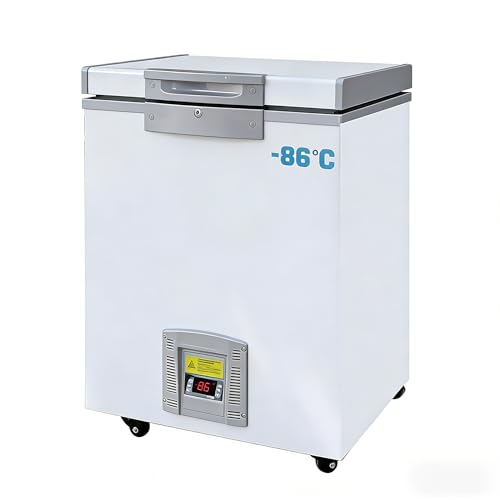
Efficient & Durable Cooling System: Features a copper tube fin condenser for rapid cooling and superior heat dissipation. Designed for extended service life and reduced long-term maintenance costs in cryogenic storage applications.
![KoolMore 21 cu. ft. Upright Convertible Freezer/Refrigerator, 2-in-1 Appliance, Great Storage for Fresh or Frozen Food and Drinks, Clear Shelves and Drawers [Silver] (KM-RUF-21S)](https://m.media-amazon.com/images/I/21wj+72XNUL._SL500_.jpg)
2-in-1 Fridge or Freezer – Designed to give you more storage options for fresh food, drinks, or frozen options: this garage ready fridge/freezer storage system lets you choose between either fridge mode or freezer mode. This makes it ideal for storing food in different seasons, supporting larger families, or saving more space in your upstairs kitchen fridge.

Dual swing doors: The best feature of this fridge? It’s dual swing doors! No more needing a special kit and taking the time to change the way your doors open. Straight out of the box, your fridge door can open either on the left or the right and you can switch at any time with no extra steps!
How Long Refrigerated Food Stays Safe During an Outage

Power outages can put us in a bit of a panic, especially when it comes to our food. It’s surprising how quickly we can lose track of what’s safe to eat. Keeping your fridge door closed during an outage is essential—it can keep your food safe for up to four hours. When the door stays shut, the temperature inside stays cool enough to fend off bacteria on perishable items.
After four hours, though, it’s a different story. Meat, poultry, seafood, eggs, and leftovers need to go. No ifs, ands, or buts about it; foodborne illness isn’t something you want to deal with. Once the power is back on, check the fridge temperature. If any food has been above 40°F for more than two hours, it’s time for it to hit the trash.
You might wonder about condiments—like ketchup and mustard. They’re often good for longer without refrigeration, but keep a close eye on those perishable items. Here are some quick tips to keep in mind during outages:
- Keep the fridge door closed as much as possible.
- After four hours, toss meat, poultry, seafood, eggs, and leftovers.
- Once power returns, check the temperature. Discard food that’s been above 40°F for over two hours.
- High-acid condiments can survive longer without being cold, but be wise about what you keep.
Including non-perishable emergency food bars in your supplies can provide a safe and convenient source of nutrition when refrigeration isn’t available.
When it comes to food safety, if you’re unsure about something, it’s better to be safe than sorry. Toss that food and avoid any unnecessary health risks. Stay safe, and hopefully, you won’t have to deal with too many outages.
Recommended Products

2,752 EMERGENCY FOOD SERVINGS: 24 delicious survival food recipes like Grammy's Sweet Oatmeal and America's Finest Mac & Cheese. This freeze-dried food has about 7.6 servings a day. Your Emergency Food Supply has an average of 543,360 calories (~1,509 a day - you may want or need more). Perfect prepper supplies with a 25 year shelf life.

Cloud 9 Comfort: Wake up refreshed thanks to your premium adjustable bed base with a 12 in. cooling gel hybrid foam mattress and 3 leg heights. Assemble your Renanim bed in minutes for blissful rest.

Cloud 9 Comfort: Step into the era of rejuvenated sleep with split king adjustable bed with mattress – 14” memory foam; featuring dual massage and 3 leg heights. Tailored for all statures, enjoy ergonomic comfort, under-bed storage space, and simple assembly of zero gravity adjustable bed frame for serene rest.
When to Cook, Refreeze, or Discard Food After Power Loss
Power outages can throw a wrench in your day, especially when you’re trying to figure out what to do with your food. Let’s be real here: no one wants to waste perfectly good groceries. Knowing how long your refrigerated and frozen foods are safe is key to avoiding foodborne illnesses that can come from spoiled food.
For refrigerated items, you’ve got a four-hour buffer without power. After that, things get tricky. If any perishable foods—like meats, fish, eggs, or dairy—were above 40°F for more than two hours, it’s time to toss them. That means if your fridge went dark for over four hours, say goodbye to those snacks.
Now, what about the freezer? A full freezer keeps everything cold for about 48 hours. If it’s half-full, you’re looking at 24 hours. Check for ice crystals or if the temperature is still 40°F or below; that means you can refreeze those items. If you’re unsure, don’t risk it—just throw it out.
A quick tip: If some of your perishable food is cold but you’re not too sure, cook it up fast! Cooking kills off bacteria and lowers the risk of getting sick.
For situations involving extended outages, it’s wise to have emergency food rations on hand that require minimal or no preparation to ensure continued access to safe nutrition.
In a nutshell, keep an eye on those temps and don’t hesitate to be cautious. Your health is worth it! Always err on the side of safety in the kitchen.
Recommended Products
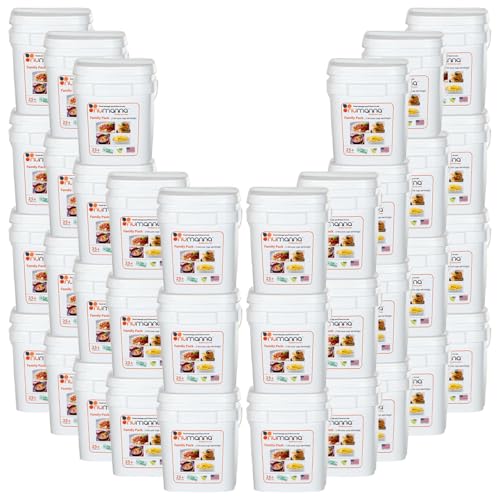
FAMILY FOOD STOCKPILE:- The NuManna Family Pack serves as the backbone of any Family Food Stockpile. It is a great source of delicious nutrition on its own and pairs well with other food stores. At NuManna, we take pride in creating food that is not only nutritious but also enjoyable enough to eat every day. With a 25+ year shelf life, this Family Food Stockpile will be ready when you need it, ensuring long-term security for your family.

SURVIVAL ESSENTIAL: With 4320 servings of gourmet entrées & breakfast meals, READYWISE Buckets are the perfect starting point for anyone serious about preparing for the future. Stay ready for anything, from power outages to outdoor adventures!

COMPLETE 12-BUCKET EMERGENCY FOOD SUPPLY KIT: Includes twelve durable buckets containing a full assortment of breakfast, lunch, and dinner meals designed for long-term emergency preparedness. Ideal for families, long-term food storage planning, survival situations, off-grid living, and disaster readiness.
How to Check Food Safety After the Power Is Back
Power’s back on, but now what? If you’ve just regained electricity after an outage, it’s crucial to check on your food to ensure it’s still safe to eat. First things first, grab a reliable appliance thermometer. You’ll need to check the internal temperature of your refrigerator and freezer.
- If the fridge is at or below 40°F (4°C), you’re in the clear.
- If it’s above that for more than four hours, toss out all perishable items. This includes meat, poultry, and dairy—better safe than sorry with these.
For frozen food, take a look. If you see ice crystals or the food has stayed at 40°F or below, it’s generally safe to refreeze. But keep an eye out for anything that seems off. Give your food a sniff and a visual check. If something smells funny or looks different, just get rid of it.
And let’s be real—don’t go tasting food to see if it’s okay. That’s a risky gamble.
After a power failure, it’s all about being vigilant. Trust your thermometer, check for any weird changes in your food, and throw out anything questionable. Doing this can save you from a nasty foodborne illness and keep your kitchen safe.
Wearing protective gloves while handling potentially spoiled food can help prevent contamination and protect your skin.
Stay safe and happy cooking!
Handling Food When Cooking or Water Are Unavailable After an Outage
When the power goes out and you can’t cook or wash your hands, it can feel a bit overwhelming. Trust me; I’ve been there. Keeping food safe becomes a top priority to avoid wasting it—or worse, getting sick.
One of the first things to remember is to keep your refrigerator and freezer doors closed. Doing this helps maintain the temperature. If you can resist the urge to open them, refrigerated food can stay safe for about 4 hours. If the power is out for longer, grab an ice-filled cooler to keep your perishables nice and cold.
Here’s a crucial point: if any perishable food has been above 40°F for over 4 hours, it’s best to toss it out. Bacteria thrive in those temperatures, and cooking it later won’t always make it safe to eat. When you can’t cook or access clean water for more than 2 hours, steer clear of perishable items.
Instead, stock up on non-perishable foods like:
- Canned goods
- Nut butter
- Dried fruits
- Crackers
- Rice or pasta
These items last longer and won’t put your health at risk. It’s also helpful to choose emergency food supplies that require minimal preparation and shelf life up to 25 years, so you’re ready no matter how long the blackout lasts.
Recommended Products

BE READY TO GO: At home, out camping, or caught in a day to day rush when disaster strikes, READYWISE 24 Buckets are a Survival Kit that has you covered with 3,576 servings of ready to eat meals for any unexpected emergencies!

4Patriots 6-Month Survival Food Kit: Emergency Food Supply Designed to Last 25 Years, 1,376 Servings
1,376 EMERGENCY FOOD SERVINGS: 24 delicious survival food recipes like Grammy's Sweet Oatmeal and America's Finest Mac & Cheese. This freeze-dried food has about 7.6 servings a day. Your Emergency Food Supply has an average of 271,680 calories (~1,500 a day - you may want or need more). Perfect prepper supplies with a 25 year shelf life.

DEFENDER NUTRITIVE PACK:- Numanna's Defender Nutritive Pack is essential for those who prioritize nutrition during crises. The Defender Nutritive Pack by NuManna offers a revolutionary approach to Healthy Emergency Meals by including superfoods and sprouting seeds that significantly boost overall nutrition. This pack is a major step forward in the industry, combining the beloved NuManna meals with the enhanced benefits of live nutrition.
Frequently Asked Questions
When to Discard Food After Power Outage?
When shadows linger beyond four hours, we toss food risking safety. We watch temperature control like a vigilant guardian, assess the freezer’s icy domain, and follow safety guidelines to guard against spoilage signs and risk factors together.
How to Know if Food Went Bad After a Power Outage?
We check food spoilage signs like smell and texture, perform temperature checks, and assess ice retention. Visual inspections help too, especially for refrigerated meats, dairy safety, leftovers duration, freezer conditions, and canning guidelines before deciding if food’s bad.
Do I Have to Throw Out Eggs After a Power Outage?
Like knights guarding a castle, we must follow egg safety guidelines closely. For safe egg storage, keep eggs refrigerated, check egg freshness, cook with eggs thoroughly, and avoid egg consumption after outages if you’ve spotted any egg spoilage.
What Is the 2 Hour 4 Hour Rule?
The 2 hour 4 hour rule guides us on temperature guidelines for safe storage during power outages: keep refrigerated food under 40°F for up to 4 hours, use freezing foods and safe cooking to prevent spoilage and guarantee food safety.


