As an Amazon Associate, we earn from qualifying purchases. Some links on this site are affiliate links at no extra cost to you. Our recommendations are based on thorough research and editorial judgment.

Shelter-in-Place vs. Community Shelter: How to Decide Quickly

When disaster strikes, the choice between staying at home or heading to a community shelter can feel overwhelming. It’s crucial to understand what kind of emergency we’re facing.
You may be interested


For instance, if there’s a chemical spill or our home isn’t safe, evacuating becomes essential. On the flip side, when storms approach slowly, having a well-stocked safe room could be just what we need.
So how do we make the best decision? Here are a few key factors to consider:
- Emergency Type: Identify the nature of the threat. Quick hazards may require a prompt exit, while others allow time to prepare.
- Home Safety: Evaluate your home’s ability to protect you. If it offers little safety, don’t hesitate to leave.
- Access to Resources: Think about what you have at home versus what’s available at a shelter.
You might be wondering about practical next steps. Stay tuned to local alerts and monitor any updates.
It’s best to think ahead about your medical needs, transportation options, and how your family will stay connected.
Preparing your home and plotting your evacuation route can make all the difference. A bit of preparation goes a long way in ensuring safety when emergencies hit.
Stay informed and stay safe out there!
Key Takeaways
- Evaluate immediate hazard type to decide: shelter in place for chemical spills, evacuate to community shelters for large-scale disasters like hurricanes.
- Consider proximity and accessibility of nearest community shelters before choosing to evacuate or stay home.
- Assess all household members’ needs, including medical and mobility requirements, to determine safest option.
- Monitor official emergency alerts and follow directives from local authorities for timely decision-making.
- Have plans ready for both sheltering and evacuation to enable swift and confident responses during emergencies.
Recognizing Emergency Signals and Official Instructions
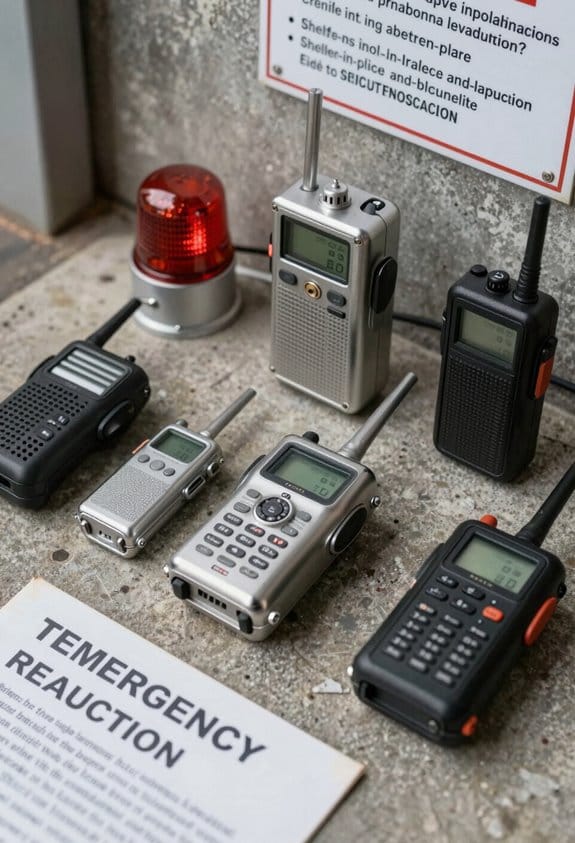
We’ve all been there—watching a sunny day turn dark with sirens blaring or alerts popping up on our screens. It’s a scary moment, but what you do next can make all the difference. When those emergency signals sound, don’t just sit there! Follow the instructions from local officials.
Why are these instructions so crucial? They know what’s happening and can guide you to stay safe. Whether it’s sheltering in place—meaning staying indoors to avoid dangers outside—or evacuating if things get really bad, heed their advice without hesitation.
To keep ahead of the curve:
- Stay connected: Make sure you have a battery-operated or hand-crank radio ready. If the power goes out or you can’t reach your phone, that radio can be your lifeline.
- Monitor trusted sources: Local officials often push updates through social media or emergency alert systems. Keep an eye on those channels to stay informed about what’s next.
Surprisingly, many people don’t react immediately, thinking they have time. The truth is, the quicker you respond, the better. Knowing the difference between a drill and a real emergency is key.
Stay alert and be proactive. Recognizing those signals and acting promptly can save your life. Above all, trust the experts and their directives—your safety depends on it. Additionally, taking measures such as using properly fitted protective gear, including NIOSH-approved respirators, can further enhance your safety in hazardous conditions.
Deciding Between Shelter in Place and Evacuation

Deciding whether to shelter in place or evacuate during an emergency can be a tough call. Trust me, I’ve been there. Spotting the right choice really boils down to a few factors.
First off, let’s look at local hazards. Chemical spills or radiological threats? Staying put might be your safest bet. On the flip side, situations like hurricanes or floods usually scream “Get out now!” Make sure to understand what you’re facing.
Next, think about your distance to emergency shelters. If there’s a nearby safe spot, it might just be smart to pack up and go. Having a plan in place can save precious time.
It’s also crucial to consider everyone in your home. Do you have family members with medical needs or mobility issues? These factors can greatly affect how quickly you can evacuate.
Keep an ear to the ground. Monitor emergency alerts and always follow government evacuation orders. It’s not just about you; it’s about ensuring everyone’s safety.
I’m a big believer in preparation. It pays to have plans for both sheltering in place and evacuating set up well in advance. Doing this helps you act fast, without second-guessing what to do.
In the end, it’s all about staying safe and looking out for each other. When an emergency hits, you want to be ready to respond, not scramble for a solution. Stay prepared, and you’ll keep your peace of mind. Remember, using proper safety equipment with ventilation features can make sheltering in place more comfortable during prolonged situations.
Assessing Home Suitability for Sheltering in Place

When it comes to figuring out if your home is ready for sheltering in place, there are a few key things to keep in mind. First off, think about where you would go if things got dicey. A small, interior room with minimal windows and doors is usually the best choice. This way, you can prevent outside contaminants from sneaking in.
Next, take a good look at the structure of that room. Is it sturdy enough to handle things like strong winds or even explosions? You want to make sure it can withstand whatever might come your way. Don’t skip regular home inspections—look for weak spots like leaks or fragile windows. These can really sabotage your safety when it counts most.
Now, let’s talk supplies. Ideally, you should have at least a three-day stash of:
- Water
- Non-perishable food
- First aid items
- Essential medications for everyone in your household
Getting these together is critical. And let’s be real; make sure that everyone can easily reach your safe space, no matter their age or ability. You don’t want anyone to feel stranded when an emergency arises.
Taking the time to evaluate these elements can make a huge difference. It allows you to decide whether sheltering in place is a solid option for your family or not.
Additionally, having reliable waterproof tarps on hand can provide versatile protection and emergency shelter options in case your safe space is compromised or additional cover is needed.
Ultimately, being prepared means peace of mind. Trust me, a little planning can go a long way.
Finding Community Shelters You Can Trust
When home doesn’t feel safe, finding a trusted community shelter quickly becomes a must. I’ve been there, and it’s not an easy situation to navigate. First things first, reach out to your local emergency management agency. They can provide you with a list of verified shelters nearby.
These shelters can often be found in schools, gyms, or community centers. What’s great about them is they’re held to strict safety standards and usually offer vital services like:
- Food
- Water
- Medical assistance
Before an emergency happens, take the time to locate these shelters and check if they’re accessible for anyone with disabilities or special needs in your family.
You might wonder how to prepare further. Engaging in community preparedness activities such as local meetings and drills is a fantastic way to stay informed about how shelters operate. Knowing what to do in advance prepares you for any situation, ensuring you can make quick decisions during a crisis.
Consider also having a reliable backup power source with portable power stations to keep essential devices running if the shelter experiences power outages.
All this research pays off. When disaster strikes, you’ll have the peace of mind knowing where to go. Trust me, it can make a world of difference in ensuring everyone’s safety. Stay proactive, stay informed, and look out for each other out there!
What Your Household Needs When Sheltering or Evacuating
When disaster strikes, staying prepared can make all the difference. Imagine having to leave your home or face an extended stay inside. It’s stressful, but a little planning can ease that burden.
Start with essentials. Aim for at least a three-day supply of water and non-perishable food for each family member. If you have pets, don’t forget their food and water. You won’t want to scramble for their needs in a crunch. As for health, a first aid kit is a must. Stock it with supplies for minor injuries, and don’t leave behind any prescribed meds. These are essentials that really keep everyone safe and healthy.
Light is another critical element. A flashlight, some extra batteries, and a battery-operated or hand-crank radio can be lifesavers. They keep you informed and safe, especially when the power goes out.
When the need to evacuate arises, gathering your important documents is key. Put IDs and medical records into a fire-safe or waterproof container. You want to grab and go without hunting for paperwork at the last minute.
If you’re sheltering in place, choose a safe room. Go for one with the fewest windows. That can keep you and your loved ones better protected.
Remember to also have protective gear such as vibration dampening gloves for handling debris or using tools safely during emergencies.
Being prepared helps us respond calmly and efficiently during emergencies. So take these steps now, not later. You’ll be glad you did when the time comes. Stay safe out there!
Emergency Kit Preparation for Shelter or Evacuation
When it comes to emergency preparedness, understanding the difference between shelter-in-place and evacuation scenarios can make all the difference. I’ve been there, and trust me, it’s crucial to have the right gear ready for each situation.
For sheltering in place, think about what you really need. You should stock up on:
- A three-day supply of water.
- Non-perishable food items like canned goods and granola bars.
- Duct tape and plastic sheeting to seal off windows and doors. This is super helpful if air conditioning systems take a hit.
On the flip side, if you’re evacuating, speed and portability are key. Grab lightweight items such as:
- Personal documents stored in a waterproof container.
- A reliable flashlight.
- A hand-crank radio to stay updated.
Both scenarios definitely require a solid first aid kit and any meds you rely on. This isn’t the time to skimp. Also, consider including safe fuel storage like high-quality jerry cans for emergency power needs.
Let’s not forget to adjust these kits for your personal needs. Check them regularly to toss out expired items. It’s a simple but effective way to ensure you’re always ready for whatever comes your way. Good prep equals peace of mind, so get started today!
Planning for Pets and Special Medical Needs
When a disaster strikes, our furry friends and loved ones with special medical needs can easily get overlooked. But fear not! With a bit of preparation, we can make sure everyone stays safe and comfortable.
For pets, start with the essentials:
- Food and Water: Stock up on enough food and fresh water for at least a few days. Don’t forget to include bowls.
- Safe Space: Create a cozy area in case you have to move to a shelter or a friend’s house. This area should be secure and calming.
- Comfort Items: Think about adding a favorite toy or a blanket. Familiar smells can help reduce anxiety.
Now, let’s shift gears to special medical needs:
- Medical Summary: Keep a detailed list of medical conditions and emergency contacts. This info can be a lifesaver.
- Medications: Make sure you have all necessary medications packed in your emergency kit. It’s crucial to have what you need on hand.
- Power Source: If any medical equipment runs on electricity, set up a backup power solution. You don’t want to be in a bind without power.
Being proactive is key. Reach out to care providers early on. They can offer tips and help adjust your plans as necessary. Also, consider having durable, waterproof materials on hand for protection in wet or spill-prone environments.
Planning Emergency Transportation and Evacuation Routes
Planning for emergencies isn’t just smart; it’s essential. Think about it: when disaster strikes, you want to get to safety fast. That’s why mapping out reliable evacuation routes is key.
Start by pinpointing several paths to the nearest community shelters. Consider these factors:
- Accessibility: Are the roads clear and usable?
- Local Hazards: Check for potential road closures or areas prone to flooding.
Next, don’t forget about everyone in your family. If you have members who need mobility aids or special assistance, make sure those routes work for them too. Safety should never be a one-size-fits-all approach.
Having an updated map that clearly marks evacuation routes and local transportation options can make a world of difference. You might wonder how I do this. Simple: keep it visible—like on your fridge or in the main family area.
Practice makes perfect. Regularly running through evacuation drills with your family helps everyone know what to do when time is of the essence. It builds familiarity, and trust me, when an emergency happens, you want to minimize confusion.
To sum it all up, thoughtful planning for emergency transportation routes can save lives. It’s all about preparation, so take the time to figure it out. In the end, you’ll feel ready and confident knowing you’re equipped to reach safety quickly. Including a well-stocked vehicle survival kit in your transport preparations ensures you’re ready for unexpected roadside emergencies during evacuation.
Communicating Your Emergency Plan to Family and Support Networks
Nothing feels scarier than the thought of a crisis hitting your home. That’s why having an emergency plan isn’t just smart—it’s essential. But let’s face it: what good is a plan if no one knows it?
First, make sure everyone knows their roles. This isn’t just about knowing “what to do” but also about familiarizing everyone with your shelter options. Here’s what I recommend:
- Identify whether you’ll be sheltering in place or heading to a community shelter.
- Assign specific tasks to each family member. Who grabs the emergency snacks? Who’s in charge of finding the pets? Each task matters.
Involving your whole family is key. Don’t forget to reach out to your friends and neighbors too. Create a personal support network that’s in the loop. They can be lifesavers during a crisis.
Regular drills are a must. They should cover how to communicate in an emergency and where to find your supplies. Questions arise: Do you have a designated family meeting spot? Can everyone grab essential items in a hurry?
Communication is everything. Set clear ways to get in touch with each other. Think about using group messaging apps or designating emergency contacts. It keeps everyone connected, even when things go sideways.
Don’t just keep the plan in your head. Write it down! Provide copies to each family member and your support network. Include:
- Evacuation routes
- Shelter locations
- Key contacts
This ensures that everyone has the information they need for quick reference.
When the unexpected happens, timely and coordinated action can make all the difference. So, take these steps seriously. You’ve got this!
Also, if your emergency involves hazardous materials like ammonia, make sure to have the appropriate respiratory protection ready for your family to ensure safety.
Frequently Asked Questions
When Would You Use Shelter in Place?
We’d use shelter in place during emergency situations involving hazardous materials or unsafe evacuation routes. Following safety protocols, we’d stay indoors in a secure room with essential supplies, avoiding exposure and ensuring our protection until authorities say otherwise.
When Would a Shelter-In-Place Strategy Be Most Appropriate?
When danger whispers through the air, a shelter-in-place strategy fits best after a swift hazard assessment. We use it during emergencies demanding immediate response—like chemical spills—where staying indoors shields us better than fleeing into the storm.
When Should You Shelter in Place?
We should shelter in place during hazardous material releases or biological threats, following emergency protocols closely. Taking safety precautions like sealing windows and staying informed guarantees we minimize exposure and protect ourselves effectively until authorities update us.
What Are Your Considerations if Asked to Shelter in Place?
We’d prioritize gathering emergency supplies and follow safety protocols closely, ensuring a secure interior room with minimal windows. We’d also consider medical needs, pet care, and stay tuned to local updates until it’s safe to leave.


