As an Amazon Associate, we earn from qualifying purchases. Some links on this site are affiliate links at no extra cost to you. Our recommendations are based on thorough research and editorial judgment.


Creating a “Stay or Go” Decision Checklist for Earthquakes, Blackouts, and Unrest

Are you prepared for emergencies like earthquakes, blackouts, or civil unrest? It’s easy to think, “It won’t happen to me,” but when things get dicey, how will you know whether to stay or go?
You may be interested


First things first: take a good look around. If you see signs of serious structural damage or if local authorities suggest evacuating, don’t hesitate—head out quickly.
When blackouts strike, you can’t afford to be unprepared. Keep essential supplies handy, like water, snacks, and flashlights. Got a battery-powered radio? That’s a must.
And don’t forget to set up a communication plan with your family. You never know when you might need to reach them.
Returning home after an emergency? Before you walk in, check for any potential hazards. Fallen debris? Gas leaks? Better to catch these things early than to put yourself at risk.
These small steps can make a big difference in ensuring your safety.
So, why does this matter? Being ready for unexpected situations isn’t just smart; it’s essential. Keep these tips in mind, and you’ll be in a better position to handle whatever comes your way.
What’s your plan when the unexpected hits?
Key Takeaways
- Assess the structural integrity of your home before deciding to stay or evacuate; look for cracks or signs of damage.
- Monitor guidance from emergency services and heed their instructions concerning evacuation during crises.
- Evaluate your surrounding environment for dangers like rising waters in floods or violence during civil unrest.
- Establish safe evacuation routes and meeting points for family members ahead of time for efficient decision-making.
- Prioritize the safety and needs of vulnerable individuals in your household when making stay-or-go decisions.
Assessing Risks From Earthquakes, Blackouts, and Unrest

When you’re facing risks like earthquakes, blackouts, or civil unrest, it’s easy to feel a bit overwhelmed. But don’t let that stop you from preparing your surroundings and keeping your loved ones safe. So, what should you do first?
Let’s start with earthquake safety. You really need to check your building’s structural integrity. It’s also smart to stay clear of windows or anything that could tumble down. If you smell gas, don’t hesitate—turn off those utilities right away. Make sure to have a battery-powered radio on hand for any updates from officials. Why does this matter? Because being in the know can make all the difference when things go haywire.
When it comes to blackouts, think ahead. Stock up a three-day supply of non-perishable food and water—real basic stuff you might not want to overlook. Here’s the trick: don’t forget to toss in a first-aid kit and some flashlights with extra batteries. Keeping backup power supplies also couldn’t hurt, and it’s a good idea to have enough cash on hand for those unexpected transactions that might pop up during emergencies.
Honestly, it’s about being prepared and not waiting for the worst-case scenario to strike. Whether you’re securing your home against an earthquake or readying for a potential blackout, just keep these tips in mind. A little preparation can go a long way. Also, having access to a reliable portable water purifier can ensure your water stays safe to drink during such emergencies.
Recommended Products
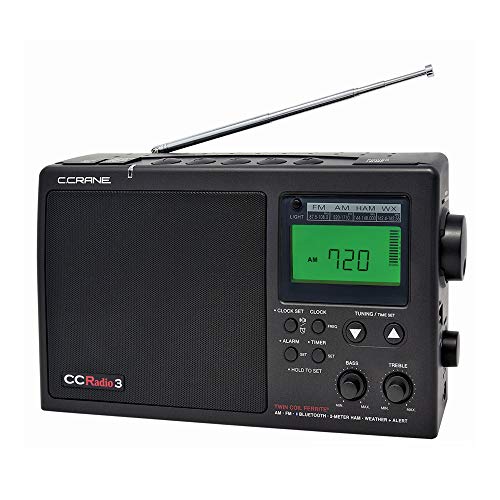
DESIGNED FOR LONG-RANGE RECEPTION: Best AM reception comes from the patented Twin-Coil Ferrite AM Antenna. Traditional FM reception is exceptional in its ability to bring in a weak station clearly.

Versatile power sources: built-in battery, hand crank, USB or solar panel
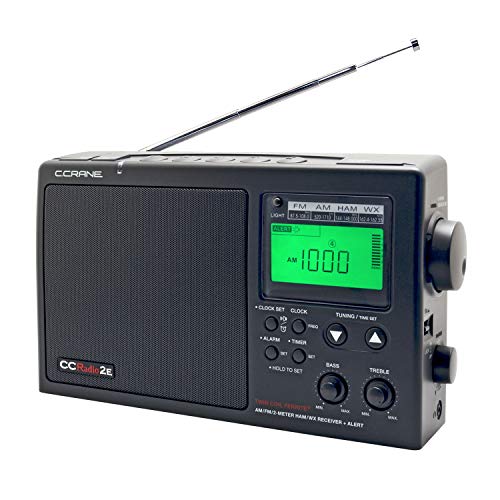
Best AM reception with the Twin-Coil Ferrite Antenna. AM, FM, NOAA Weather Band with Weather Alert and the 2-Meter Ham Band.
How to Identify When to Stay Safe Indoors?

How do you decide when it’s best to hunker down inside during an emergency? Knowing when to stay indoors can be a bit tricky, but there’s a golden rule: assess your surroundings. If your building seems solid and there’s no visible damage, you’re likely safer inside.
First things first—watch out for windows. They can shatter in unexpected situations, so it’s smart to steer clear of them. You also don’t want to be near heavy furniture that could tip over. Think about it: being pinned down by a falling bookcase isn’t part of anyone’s plan!
When an earthquake strikes, take a moment to decide if heading outside is actually a good idea. Sometimes, the outside world can be just as dangerous, especially with falling debris or downed power lines. If you hear alerts from local officials or see any signs of danger outside, it’s crucial to stay put until you get the all-clear.
Always keep an eye on local news for the latest updates. Staying informed is key to making the best choices. Truth is, emergencies can be wild and unpredictable, so being prepared makes all the difference.
It’s also important to have essential supplies like latex-free gloves on hand to maintain hygiene and safety during extended indoor stays.
Recommended Products

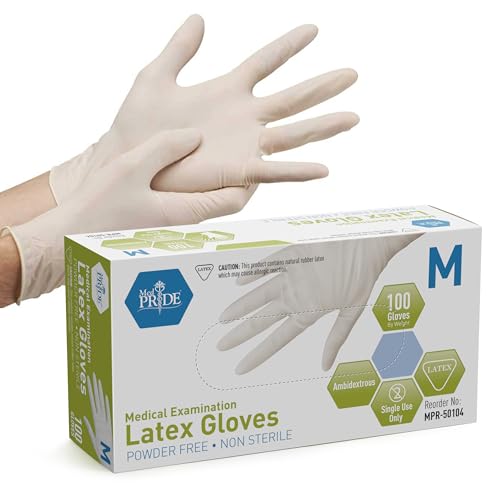
PROFESSIONAL-GRADE: Designed with heavy duty natural latex rubber, the Medpride latex gloves offer amazing tactile sensitivity for fine equipment handling, superior medical grade puncture resilience with 5-mil thickness and a comfortable fit.

Features: These SAFESKIN Ultralight Nitrile Gloves have a smooth finish for fit and comfort. This glove comes in 2.0 mil thickness, which is the ideal thickness for many daily uses, especially for light tasks. These gloves come in a variety of colors offering style and functionality for many jobs. These nitrile gloves are offered in both the 100 count and bulk 1000 count packages and are conveniently packaged to reduce storage space while ensuring a supply is always on hand.
Essential Supplies for Emergency Preparedness

Have you ever thought about what you’d need in an emergency? It’s a situation no one wants to face, but being prepared can make a world of difference. Vital supplies are key to effective emergency readiness, so let’s talk about getting your emergency kits in order and making sure you have everything you need.
First off, every kit should have at least three days’ worth of non-perishable food and water. That’s about one gallon of water per person per day, just to keep everyone hydrated. Don’t forget to throw in a first-aid kit—trust me, it’s not fun when someone gets a cut and you can’t help them. Flashlights with extra batteries are a must, too; you want to light up your surroundings if the power goes out.
Now, here’s the trick: consider backup power sources, like a generator, if you have one. Plan for it to last at least 96 hours whenever possible. It’s always good to have vital documents secured and some cash handy for transactions.
Also, packing hygiene kits and emergency blankets can actually help you stay a bit more comfortable during tough times. So, why does this matter? Because keeping clean and warm during an emergency can really impact your spirits.
Additionally, using a fireproof document bag can protect your essential papers and digital data from damage during emergencies.
Don’t forget to regularly check your supplies. Make sure everything is current—those canned beans from last year may not be the best in a crisis! So, while you’re at it, do a little inventory of what you have and what you might need.
Being prepared is all about minimizing stress when things go sideways. Think of it this way: Do you want to scramble for supplies in a panic or be ready ahead of time? Take the time to gather these essentials now, and you won’t regret it later. What steps are you taking to prepare your own emergency kit?
Recommended Products

DELICIOUS MEALS:- At NuManna, we understand the importance of having a Family Size Emergency Food Supply in these uncertain times. With rising food costs and unpredictable events, ensuring your family’s health and security is paramount. Our Family Pack Dozen offers a Family Size Emergency Food Supply that is not only delicious enough to eat now but also storable for up to 25 years, ready for whenever you need it.

OFFICIALLY LICENSED EMERGENCY WATER YOU CAN TRUST:- This emergency canned water is officially licensed by the American Red Cross, ensuring it meets strict standards for safety, reliability, and emergency preparedness. A dependable hydration solution trusted for emergencies, survival kits, and long-term storage.

Emergency Water Supply for Families & Groups:- A case of long-lasting purified water, ideal for ensuring hydration in emergencies and survival situations.
Making the Decision to Stay or Evacuate
Deciding whether to stay put or evacuate during an emergency can feel overwhelming. What should you really consider? A good starting point is doing a risk assessment of your surroundings. Check out your building’s structural integrity and be aware of any potential dangers outside. If things seem sketchy, it’s time to get serious about evacuation plans.
Try this: Think about safe routes to get out, and establish a few meeting points away from home. This way, everyone knows where to go if you need to hightail it. If you’ve got a solid place that hasn’t taken much damage, sheltering in place might be your best bet. But if you do decide you need to evacuate, it’s crucial to prioritize vulnerable family members—like kids or elderly relatives. And remember, don’t head back until officials give you the all-clear.
Honestly, approaching this decision methodically can really help you feel more in control during a crisis. Just ask yourself, what’s the safest choice for you and your loved ones? This isn’t a simple call, but being prepared will make a big difference. So, what do you think you’ll do if the situation arises? Consider also having a car emergency bag with essential supplies to increase your preparedness on the road or if stranded during an evacuation.
Recommended Products

Integrated RFID identification tag for recording and storing information on inspections and tracking safety equipment

Cold Weather Survival Set: our emergency warm set Includes 100 thermal blankets, 100 knit beanies, 100 fleece scarves, 100 pairs of winter gloves, 100 pairs of unisex socks, and 100 drawstring backpacks; Designed for bulk use in homeless outreach and emergency shelter programs

72 HOUR EMERGENCY PREPAREDNESS FOR 1 TO 2 PEOPLE - This survival kit is pre-packed with food, water, shelter, first aid, and tools to support 1 to 2 people for up to 3 days. Works as a bug out bag, go bag, family emergency kit, or grab and go backpack for home, car, office, or travel. Designed for outdoor adventures and unexpected events.
When to Evacuate: Key Triggers to Watch For
When it comes to evacuating during an emergency, knowing when to go can make all the difference. Pay close attention to certain signs and criteria that indicate it’s time to pack up and leave. For instance, if your building shows serious structural damage, that’s a clear red flag—it’s time to head out.
Listen, if emergency services are telling you to evacuate, don’t hesitate—act fast. Flooding can cause chaos, especially if you live in a low-lying area; rising waters are often straightforward signs to grab your essentials and get to safety. And during civil unrest, if you hear gunfire or see violence escalating, don’t wait it out; evacuating swiftly is crucial.
Also, keep track of your resources. If basic essentials like water and power are cut off for a long stretch, and someone in your group needs medical care, that’s a situation to be concerned about. Staying alert really does matter—trust your instincts about your safety.
Honestly, keeping these signs in mind can help you stay safe when the situation gets tough. What precautions are you taking to ensure you’re prepared for an emergency? Having a well-packed 72 hour bag ready can significantly improve your preparedness and peace of mind.
Recommended Products

BE READY TO GO: At home, out camping, or caught in a day to day rush when disaster strikes, READYWISE 24 Buckets are a Survival Kit that has you covered with 3,576 servings of ready to eat meals for any unexpected emergencies!

This calorie packed survival kit contains enough food for 1 person for 1 month, 2 people for 2 weeks OR four people for 1 week. Freeze-dried food buckets are imperative to keep on-hand in case of emergency situations.

72-Hour Family Emergency Kit — Built for home preparedness, power outages, storms, evacuation planning, camping, hiking, road trips, and outdoor use, this family emergency survival kit brings essential food, water filtration, lighting, warmth, power, first aid, cooking gear, and survival tools into one organized setup.
How to Communicate Effectively in a Crisis?
Effective communication during a crisis is more than just handy—it’s a lifeline. When things go sideways, you need a solid plan in place. Have you thought about what you’d do if local phone lines got busy? That’s where having a crisis communication plan comes in. Designate out-of-area contacts who can help you connect when you can’t reach each other locally.
Every family member should carry emergency contact cards. It makes reaching out during chaos much simpler. And don’t just have a plan; practice it! Gather everyone and run through your strategy—how will you contact each other? What about your pets or any family members who might need extra help?
Take some time to learn about your community’s warning systems. Whether it’s sirens or emergency alerts, understanding what to expect can really make a difference. And let’s be real, you want to stay on top of any emergency messaging that comes your way. Trustworthy sources can provide timely info to guide your actions.
In addition, having well-organized bug out bags with wheels can improve your readiness by making essential supplies easily accessible and portable during an evacuation.
What to Remember When You Go Back Home After an Emergency
Coming back home after an emergency? It can be quite overwhelming. You may feel anxious or uncertain about what to look for first. Trust me, taking a moment to assess the situation is crucial.
One of the first things you’ll want to do is check for any structural damage. Look around for cracks or debris. If anything seems off, like a ceiling that looks like it’s about to collapse, just move outside. Seriously—better safe than sorry! And don’t forget about utilities. If you smell gas, turn off the main supply immediately and get to safety. That’s non-negotiable.
Once you’re sure the house is safe, it’s time to talk about recovery. Gather your family and chat about what supplies you’ll need to feel secure at home again. Make a checklist and stock up on essentials. Here are a few must-haves:
- Non-perishable food
- Bottled water
- First-aid supplies
Now, this is where it gets real. Staying connected with local news can really help. You never know what resources might pop up in your community for those coming back from an emergency.
Also, protecting your eyes with blue light blocking safety glasses can help reduce strain during longer periods of screen time while navigating recovery resources.
So, why does this matter? It’s all about staying prepared. A little vigilance goes a long way toward easing your mind during a tough time. In the end, taking these steps can make all the difference as you settle back in.
Ready to start the recovery process? You’re not alone in this—let’s tackle it together!
Frequently Asked Questions
What Should I Do Immediately After an Earthquake Occurs?
As the ground shakes beneath us, let’s stay calm. First, we’ll assess for dangers, then check for injuries and provide immediate first aid, ensuring our safety and well-being before any further action for earthquake safety.
How Can I Prepare My Pets for Emergencies?
To prepare our pets for emergencies, let’s pack their emergency kits with food, water, and first aid supplies. We should understand their behavior, ensuring they stay calm during stressful situations, and have essential pet supplies ready.
What Are the Signs of a Gas Leak?
Did you know nearly 10% of households experience gas leaks annually? We should watch for gas leak symptoms like a sulfur smell, hissing sounds, or dead vegetation, and consider gas leak detection tools for our safety.
How Do I Find Local Emergency Shelters?
We can find local emergency shelters using shelter locator tools online or by contacting local resources like community centers, government websites, or emergency management offices. It’s important to stay informed and ready when crises occur.
What Are the Best Communication Apps During Crises?
During crises, we should use communication apps like WhatsApp and Signal for secure messaging and group coordination. They’re great for receiving emergency alerts, ensuring we stay informed and connected with one another.


