As an Amazon Associate, we earn from qualifying purchases. Some links on this site are affiliate links at no extra cost to you. Our recommendations are based on thorough research and editorial judgment.


Urban Food Storage Basics: Calories, Variety, and Shelf Life in Small Spaces

Living in a small space in the city can feel restrictive, especially when it comes to food storage. You want to have enough food to sustain yourself, but you also need to be smart about it. Balancing calories, variety, and shelf life doesn’t have to be complicated.
You may be interested


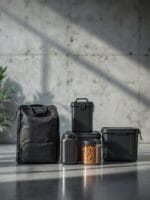
Start with staple grains like rice and wheat. They pack a good amount of energy and are easy to store.
Monthly supplies of beans should also make your list. They’re not just affordable; they’re a fantastic source of protein and essential nutrients.
Don’t forget about fruits and vegetables. Freeze-dried or canned options can help you keep your vitamin intake in check. It’s about making sure you stay healthy, even when fresh produce isn’t handy.
As for storage, keep things organized. Use labeled, stackable containers to save space. Store them away from heat sources and sunlight to protect the food’s freshness.
A smart tip is to use the FIFO method. This means “first in, first out.” It’s a simple way to rotate your stock and reduce waste.
If space is really tight, think vertically. Use shelves or hidden spots to keep items off the floor. You might be surprised at how much room you actually have if you get a little creative.
By following these strategies, you’ll ensure you have nutritious food on hand without it taking over your space. It’s all about being resourceful and making the most of what you’ve got.
After all, a reliable and healthy food supply is all about planning and organization!
Key Takeaways
- Store staples like grains and beans for calorie-dense, nutrient-rich meals that last long in small urban spaces.
- Utilize freeze-dried and canned goods for variety and extended shelf life without consuming much space.
- Implement vertical and stackable storage solutions to maximize limited urban area efficiently.
- Use the FIFO method and label items to manage expiration dates and reduce food waste effectively.
- Plan meals around expiring items to maintain variety while minimizing spoilage in compact kitchens.
How to Balance Calories and Nutrients With Limited Space

Balancing calories and nutrients in a small space can feel like a real challenge. But with some strategic planning, you can create a solid stockpile that keeps you energized and healthy.
Start with the basics: grains and legumes. Aim to store about 800 pounds of grains—think rice and wheat—per adult each year. They pack a punch when it comes to calories. On top of that, throw in around 20 pounds of beans each month. They’re great for variety and boost your nutrient intake.
Next up, think about nutrient-dense options. Dried fruits and vegetables might be your best friends here. They take up little room while providing essential vitamins. You could also explore lightweight, shelf-stable foods like freeze-dried meals. Store these in airtight containers to maximize space and shelf life.
Transitioning to storage techniques, adopt the FIFO system. It stands for “First In, First Out.” Rotate your stock regularly. This simple method maintains food quality and fights off spoilage.
In wrapping this up, a little planning goes a long way in emergency preparedness and food security. With the right staples handy, you can enjoy a diverse, nutrient-rich diet, even in the tightest of spaces. So, get started on your stockpile today! Additionally, including water purification tablets in your kit ensures access to safe drinking water, which is just as vital as food during emergencies.
Choosing Shelf-Stable Foods for Urban Food Storage

Building a solid food storage stash can feel overwhelming, especially in an urban setting where space is tight. But let me tell you, with the right choices, it’s totally doable. The secret is in selecting shelf-stable foods that can last for years without going bad.
First, focus on the essentials. Here’s what I recommend packing:
- Canned Goods: They’re a lifesaver. From beans to vegetables, these can last a long time and are full of nutrients.
- Dry Goods: Stock up on grains like rice, quinoa, and oats. These are filling and full of energy.
- Beans: A great source of protein, and they have killer shelf lives.
- Freeze-Dried Foods: Perfect for long-term storage. They can last for decades if done right.
Now, you might wonder how much to buy. A good rule of thumb is around 800 pounds of grains for each adult per year. It sounds hefty, but when you break it down into manageable parts, it becomes easier to tackle.
Storage matters, too. Use small, compact containers or vacuum-seal bags to save every inch of space. This not only helps keep your food fresh but also makes it easier to access everything.
The FIFO method? It’s a game plan, trust me. Organize your items so the older ones are used up first. It reduces waste and means you’re always consuming food that’s at its peak freshness.
Don’t overlook variety! Mix up your proteins, carbs, and fats. Think about adding nuts or seeds alongside your beans and grains. This way, you’ll have all the nutritional bases covered—even in a compact city apartment. Including nutrient-rich options like freeze-dried vegetables can enhance both nutrition and meal versatility while keeping shelf life long.
Maximizing Variety in Your Urban Food Storage

Living in an urban area often means limited space for food storage. But that doesn’t mean we have to sacrifice variety! Let’s talk about some practical ways to create a diverse and nutritious food stash, even in a small kitchen.
Start by focusing on shelf-stable items that pack a punch. Here are some essentials to consider:
- Grains: Rice, quinoa, and oats can be the base for many meals.
- Beans: They’re not just filling; they’re a great protein source too!
- Nuts: Fantastic for snacking and adding healthy fats.
- Freeze-dried fruits and veggies: These maintain nutrients and can liven up dishes without taking up much space.
Protein sources are equally important. Think about adding:
- Canned goods: Tuna, chicken, or veggies are lifesavers in a pinch.
- Powdered eggs: Ideal for those breakfast cravings.
- Legumes: Lentils and chickpeas are versatile and last a long time.
When it comes to organizing, make sure everything is easy to spot and grab. Use clear containers or shelves that let you see what you have. A simple trick to keep food fresh is the FIFO method: put the new items behind the older ones to keep rotation in check.
Don’t forget about spices! A good variety of bulk spices and seasonings can completely transform your meals, ensuring you’re never stuck eating bland food, no matter what you’ve got stored.
Storing food in an urban environment doesn’t have to be a chore. With these tips, you can achieve a diverse, nutritious, and accessible food storage system without overwhelming your limited space. Remember, a little thought goes a long way in making city living delicious! Also, consider packing lightweight and compact emergency gear like Mylar thermal blankets to maximize preparedness without sacrificing storage space.
Smart Storage Solutions for Small Urban Spaces
Living in a small urban space can be a challenge, especially when it comes to food storage. I’ve been there, feeling cramped and disorganized in my tiny kitchen. But with some smart techniques, you can transform the way you store food in your home.
First off, think vertical. Installing shelves or wall-mounted storage can make a huge difference. This approach avoids crowding and opens up valuable counter space. Consider using stackable, food-safe containers for items like rice and beans. Not only do they keep your kitchen tidy, but they also help you see what you have at a glance.
Hidden storage is your best friend. Areas like under your bed or those awkward corners can serve as perfect spots for long-term supplies. Just make sure you properly seal your food. It keeps things fresh longer.
Labeling is key. Use clear containers and mark them with expiration dates. This simple step can significantly improve how you manage your stock. Regularly check your emergency food supplies too. Toss anything that’s expired and ensure your essentials are front and center.
Don’t forget to keep your supplies safe from heat and sunlight. It’s crucial for preserving freshness. For items like powdered milk, using airtight containers can greatly extend shelf life and maintain nutritional value.
Planning Your Urban Food Storage Around Shelf Life
Have you ever stared at your pantry and felt a bit lost? The key to effective urban food storage is all about choosing the right items. Think grains, beans, and canned goods. These staples can last for years, sometimes even decades, when you store them properly. It’s like having a safety net in the back of your kitchen!
To keep things balanced and nutritious, don’t just focus on the basics. Incorporate freeze-dried fruits and vegetables into the mix. They pack a punch when it comes to vitamins and minerals. Variety is essential for a healthy diet.
Now, let’s talk organization. The First In, First Out (FIFO) method works wonders. This way, you’ll use up older items before they spoil, which saves you money and reduces waste. Another vital aspect is temperature control. Aim to keep your storage area below 70°F, and find a cool, dry, dark spot. This will help your food stay fresh and extend its shelf life.
Using oxygen absorbers in sealed containers or mylar bags can significantly enhance preservation and shelf life, ensuring your food remains fresh longer.
Rotating Urban Food Storage to Keep It Fresh
Let’s face it: managing urban food storage can feel like a juggling act sometimes. Keeping our food fresh and minimizing waste is a challenge, but trust me, it’s doable. One of the best strategies I’ve found is the First In, First Out (FIFO) method. This means always using the older items first. It’s a simple habit that goes a long way in ensuring your food stays fresh.
Here’s how to make FIFO work for you:
- Organize Your Inventory: Group similar items together. It makes it so much easier to find what you need.
- Use Clear Containers: Transparent bins or jars help you spot what needs to be used soon. Out of sight can quickly become out of mind!
- Regularly Check Expiration Dates: Aim for every six to twelve months. A quick glance can prevent spoilage and keep everything in check.
- Plan Your Meals: Focus on using foods that are nearing their expiration date. This way, you can mix things up while still keeping the fridge stocked with tasty options.
Truth is, rotating your food regularly not only helps you maintain its nutritional value but also keeps your pantry organized and efficient. You’ll feel more confident knowing that you’re prepared for meal prep without the stress of expired items creeping up on you.
Keeping your urban kitchen in tip-top shape isn’t just about saving money; it’s about making sure every bite counts. So, let’s roll up our sleeves and get that food storage fresh and ready for the next meal! Additionally, incorporating food grade containers can help preserve the taste and safety of stored items.
Frequently Asked Questions
What Is the 2 2 2 Rule for Food?
The 2 2 2 rule means keeping two types each of proteins, grains, and fruits or veggies. It boosts nutritional value, aids meal prepping, food portioning, and helps with food shelf life and pantry organization using proper storage containers.
What Are the Top 10 Foods to Stockpile?
We’d recommend stocking canned vegetables, dried beans, rice varieties, pasta options, nut butter, freeze dried meals, dehydrated fruits, granola bars, cooking oils, and a spices selection to guarantee nutrition, variety, and long shelf life together.
How to Store Food in Small Spaces?
We use space-saving solutions like vertical storage ideas and under bed storage, combining pantry organization tips with multi-functional furniture. Magnetic spice racks and creative shelving units boost accessibility, while food preservation techniques and climate control options keep supplies fresh and manageable.
Is It Better to Store Food in Plastic Containers or Glass Containers?
Plastic vs. glass? We find glass wins for food safety, durability, odor retention, and aesthetic appeal despite cost. Plastic may excel in storage efficiency, microwave suitability, and versatility—but environmental impact favors glass overall in our view.


