As an Amazon Associate, we earn from qualifying purchases. Some links on this site are affiliate links at no extra cost to you. Our recommendations are based on thorough research and editorial judgment.


When to Evacuate a City (and When Staying Put Is Safer)

Evacuation can be a real head-scratcher. When local authorities put out the call to leave due to severe storms or wildfires, the instinct is to pack up and go.
You may be interested


But what if the roads are blocked or conditions aren’t as dangerous? Surprising as it might seem, sometimes staying put is actually the safer choice.
So, how do you decide? Here are some things to think about:
- Check official notices: Always pay attention to what local authorities are saying. Their updates are crucial.
- Assess your route: Are the roads clear enough to travel? If there are reports of dangerous conditions, it might be wiser to stay home.
- Prepare supplies: If you choose to stay, make sure you have enough water, food, and medical supplies on hand.
After assessing the situation, lock up your home. This step can protect your belongings and give you peace of mind.
If you’re leaving, let a trusted friend or family member know your plans.
Trust me, preparing beforehand can make a world of difference in an emergency. Make a plan and stick to it. You’ll feel more confident, no matter what happens.
In the end, whether you’re hitting the road or hunkering down, the right preparation is key.
Stay smart, stay safe, and remember—your safety comes first.
Key Takeaways
- Evacuate immediately when local authorities issue official orders due to imminent danger like hurricanes or wildfires.
- Stay put if evacuation routes are unsafe or conditions worsen travel hazards, awaiting further official instructions.
- Evacuate when multiple safe routes and adequate transportation are available to avoid congestion and risk.
- Remain indoors and shelter in place during severe air quality alerts or toxic exposure when evacuation increases health risks.
- Stay informed via official sources to assess real-time conditions, adapting decisions based on evolving local hazards and advisories.
When to Evacuate: Key Warning Signs

When local authorities give the word to evacuate, it’s time to move. This isn’t just a suggestion; it’s a clear sign that something dangerous is coming your way, whether it’s a hurricane or a wildfire. Ignoring that order could put your life at risk, and we certainly don’t want to be caught in a bad situation.
Why are these orders issued? Emergency teams assess the risks in real-time and decide when it’s best for everyone to leave. So, trust their judgment. You might notice weather alerts, toxic air quality warnings, or hear community sirens blaring. These are big red flags waving at you, urging you to pack up and go.
Here’s what you should keep in mind:
- Always monitor updates. Situations can change quickly.
- Plan an exit route in advance. Don’t wait until the last minute.
- If roads are blocked or traffic is a nightmare, take a moment to assess. Sometimes, staying indoors is safer than trying to leave.
Weigh your options carefully. The goal is to protect yourself and your loved ones. Keep an eye on the news and stay informed. You’ve got this—safety first. Preparing an emergency kit with essential supply contents can ensure you have what you need whether you evacuate or shelter in place.
Understand Local Evacuation Orders and Advisories

When local authorities issue evacuation orders, it feels intense, doesn’t it? Knowing what to do next can make all the difference. Staying informed is crucial. Make it a habit to check emergency management websites and reliable news sources for the latest updates.
Evacuation orders are serious business. They’re meant to keep us safe during emergencies like floods or wildfires. Here are a few things you should keep in mind:
- Act Immediately: If you receive an evacuation order, don’t hesitate. Leave your location as soon as possible to avoid danger.
- Know Your Zone: Familiarize yourself with the evacuation zones in your area. These zones highlight the most at-risk areas and help determine who needs to evacuate first.
- Prepare for Advisories: An evacuation advisory isn’t mandatory, but it signals heightened risks. Use this time to prepare in case you need to leave.
Following official guidance is key. It leads you to designated shelters or safer areas efficiently. Ignoring these orders not only endangers your safety but also puts first responders at risk.
The bottom line? Stay alert and take action when evacuation orders or advisories hit your area. By doing so, you’re not just protecting yourself; you’re helping keep the whole community safe. So, stay informed, be prepared, and let’s look out for one another during emergencies. Remember that having proper safety gear can make a important difference in emergency situations.
How to Decide If Evacuating or Staying Put Is Safer

When disaster strikes, you often face a tough choice: stay or go? I’ve been there. Making the right call can save lives, including your own. Here’s how you can figure it out.
First, what’s the threat? Keep an eye on local risks. If officials urge an evacuation because of impending danger—think hurricanes or wildfires—don’t hesitate. Get out of dodge. Your safety is priority number one.
Now, let’s say air quality is bad or severe storms are brewing. Travel might not be your best bet. In such cases, hunkering down with adequate shelter might be the smarter move. Being aware of your surroundings and understanding what’s going on is essential.
Here’s what to look out for:
- Assess local risks: What dangers are present?
- Listen to advisories: Officials know what’s unfolding.
- Evaluate travel conditions: Are roads clear and safe?
- Monitor how fast things are changing: Is the threat escalating?
Staying updated through reliable sources is crucial. This way, you can adapt your plan as situations evolve. It’s also wise to prepare emergency evacuation bags ahead of time to ensure you have essentials ready if you need to move quickly.
To wrap it up, weighing the choice between evacuating or staying put requires careful thought and quick action. Trust your instincts, stay informed, and remember—your safety always comes first. Stay strong!
Recommended Products

72-Hour Family Emergency Kit — Built for home preparedness, power outages, storms, evacuation planning, camping, hiking, road trips, and outdoor use, this family emergency survival kit brings essential food, water filtration, lighting, warmth, power, first aid, cooking gear, and survival tools into one organized setup.

GlobalFix V6 EPIRB (Cat. 2) offers reliable emergency signaling without a subscription, ensuring quick rescue in critical marine situations. Safe, simple, and effective.
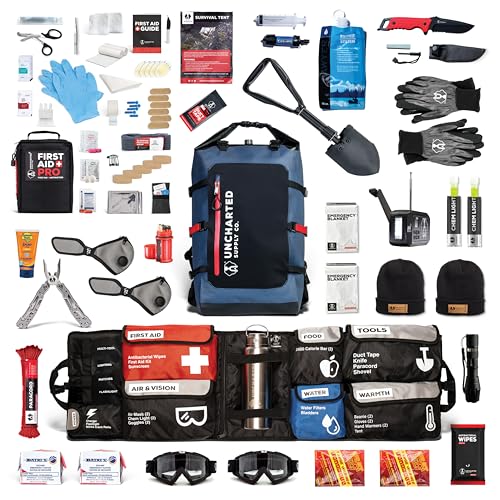
PREMIUM BUG OUT BAG FOR 2: Developed with first responders, this 72-hour survival kit includes over 60 essentials to help you stay prepared during blackouts, earthquakes, hurricanes, and other real-world emergencies.
Plan Your Evacuation Route and Destination
When an evacuation is looming, the first question that pops into my mind is, “Where do we go?” Honestly, it’s not just about packing your bags and hitting the road. We need to have multiple routes planned out and really understand each one. And what if we hit a traffic jam or a roadblock? That’s where contingency plans come into play.
Take a moment to think about your options. Staying with family or friends outside the evacuation zone can be a lifesaver. If that’s not on the table, check if there are any approved shelters in your area. Local emergency management websites are goldmines for the latest updates on evacuation zones and routes. Bookmark those!
Always keep a map or a digital navigation tool handy. This will help you steer clear of congested areas and keep your journey smoother. Speaking of updates, keep an ear out for local radio or TV broadcasts during an emergency. Adjust your plans as needed — things can change quickly.
Oh, and don’t forget to have your emergency kit ready before you leave. Trust me, a well-prepared kit makes all the difference. Including a 55-gallon emergency water barrel can ensure your family has sufficient drinking water during your evacuation.
To wrap it up, knowing your route and options can ease the stress of an evacuation. It’s all about being prepared and staying informed. Stay safe out there!
Pack Your Essential Supplies for Evacuation
When the unexpected hits, having a well-packed go-bag can make all the difference. Imagine the chaos of needing to evacuate quickly, and you realize you don’t have your essentials ready. It’s a nightmare! Preparing your go-bag in advance guarantees you’ll have the critical supplies on hand when every second counts.
So, what should you pack? Here’s a straightforward list:
- Food: Non-perishable snacks like granola bars or canned goods.
- Water: At least one gallon per person, enough to last for at least five hours.
- Medications: Don’t forget any prescriptions, plus a basic first-aid kit.
- Important Documents: IDs, insurance papers, and any necessary medical information.
Tailor the contents for your family and pets. Include their specific needs, whether it’s a favorite toy for a child, special food for a pet, or essential hygiene items. Being prepared means everyone—two-legged and four-legged—has what they need.
You might wonder how often to check your go-bag. Make it a habit to review it every few months. Replace expired items, update medications, and ensure the supplies still fit your family’s current needs. If there’s a change—like a new family member—make sure to adjust your go-bag accordingly.
Designating one family member as the go-bag keeper is a smart move. This person should know exactly where the bag is kept and what’s inside. Clear communication about the go-bag not only reduces panic during emergencies but also keeps everyone informed and ready to act.
Including a durable and well-organized trauma kit bag can significantly improve your family’s ability to handle medical emergencies during evacuation.
Being prepared helps you plan for the unforeseen and keeps stress levels down when it’s time to hit the road. Stay safe and keep that go-bag ready—when you need it, you’ll be glad it’s there!
Protect Your Home Before You Leave
Leaving home can be a bit nerve-wracking. You want to enjoy your time away, but also keep your space safe. So, how do you protect your home before you head out? Let me share a few tried-and-true tips from my own experience.
Start by making sure all windows and doors are locked tight. This simple step can go a long way in deterring break-ins or vandalism. Then, don’t forget about turning off utilities like gas, water, and electricity. This minimizes the risk of fire or leaks, especially if bad weather hits while you’re gone.
Next, think about your valuables. Moving them to a higher spot inside your home is smart—floods and storms can’t reach them there. If you have outdoor furniture or tools, secure or store those too. You don’t want them becoming dangerous projectiles in a storm.
Lastly, communicate! Share your travel plans with a trusted neighbor or friend, just in case. Leave a note inside your home that mentions when you left and where you’re headed. These little steps ensure that your property stays safe while you’re off enjoying life.
In short, a little preparation goes a long way in giving you peace of mind while you’re away. So, take these steps, relax, and enjoy your getaway!
Recommended Products

Includes a metal foundation that allows building construction on just about any flat level surface

Digital Combination Lock with Customizable Code: A digital combination lock provides easy access as well as the ability to change the code as often as you like. The combination can be set with a minimum of 4 and a maximum of 16 digits. Dimensions: 73.5"H x 38.63"W x 25.63"D. Interior: 66"H x 30"W x 17.33"D. Included with safe: 3 Adjustable Shelves

HIGH-SECURITY LOCKING SYSTEM: Includes a seven-pin dimple key lock with two keys. Designed for commercial use, offering secure access control for offices, institutions, or high-value storage needs
How to Shelter in Place Safely
Sometimes, it might feel safer to stay at home rather than venture out. I’ve been in situations where sheltering in place was the best option, and I want to share what I’ve learned.
First things first, gather everyone—including pets—indoors as fast as you can. Once you’re all in, seal up your space. Use plastic sheeting and duct tape to close off windows, doors, and air vents. This helps keep out any contaminated air. Turn off all ventilation systems too; it’s crucial for maintaining good air quality inside.
Next, let’s talk about preparation. Having an emergency supply kit is key. Think about what each person in your home might need. Here’s a quick list to get you started:
- Non-perishable food
- Clean drinking water
- Medications
- Important documents (like IDs and insurance papers)
Staying calm during this time is super important. Follow public safety guidelines closely. You might wonder what happens if evacuation is necessary. Unless officials tell you it’s safe to go, it’s best to stay put. Keep communication open with local authorities. They’ll have the information you need to stay safe.
Staying indoors until you hear the all-clear is critical. It reduces exposure to hazards, especially if there’s concern about air quality or other dangers outside. Prioritizing your safety and well-being can make all the difference when times feel uncertain. To enhance your readiness, consider assembling a comprehensive survival kit containing essential medical supplies and tools tailored for emergencies.
Keep up With Trusted Emergency Updates
Emergencies can spring up out of nowhere, and staying connected to the right sources of information is crucial. You don’t want to be caught off guard. Here’s how to keep yourself in the loop.
First off, make it a habit to check in with reliable sources. Local emergency management agencies often have the best info for your area. The National Weather Service is another solid choice, especially for real-time weather updates.
Consider signing up for alert systems from your state or county. These services can send notifications right to your phone about things like mandatory evacuations or specific safety instructions that you need to know.
Also, don’t underestimate the power of apps. The FEMA App can help you find nearby shelters and get quick safety tips. This is especially handy during a crisis.
Keeping an eye on trusted local news outlets is essential, too. They can give you the latest on changing conditions that could affect your safety.
Be sure to pay attention to updates about evacuation routes and community risks. Knowing this information lets you make informed decisions about whether to evacuate or stay put.
Staying informed through multiple verified sources means you can react quickly and safely during a crisis. It’s about being proactive rather than reactive.
Using an emergency radio with NOAA weather alerts can provide continuous, real-time updates even when other communication channels fail.
Stay safe out there!
What to Do After You Evacuate
Evacuating is stressful. It’s not just about packing up and leaving; there are key steps to take to protect yourself and your belongings. First off, before hitting the road, lock all the doors and windows tight. This can help keep your home safe from theft or vandalism while you’re away.
Next, stick to designated evacuation routes. If they’re blocked, only then should you consider alternate paths. You don’t want to drive into any hidden dangers. And let’s not forget about our furry friends. Keep pets secure in their carriers and check on them frequently during your journey. Their comfort matters too!
Stay informed about the situation using reliable news sources. Knowing when it’s safe to return is crucial. You might think you can head back early, but that’s risky. It’s essential to wait for confirmation from authorities; rushing back can expose you to dangers you might not see coming.
To recap, locking up, sticking to safe routes, keeping pets secure, and staying updated are essential moves when evacuating. It’s all about being smart and keeping yourself and your loved ones safe. Remember, it’s okay to take your time on the road home. Stay safe out there! Carrying a well-stocked vehicle survival kit can provide crucial support during unforeseen roadside emergencies while evacuating.
Frequently Asked Questions
What Are the 5 P’s of Evacuation?
When emergency preparedness calls us to act, the 5 P’s of evacuation guide our journey: People, Pets, Prescriptions, Papers, and Personal needs. Together, we navigate evacuation routes, assess risk, and lean on community support to stay safe.
How to Decide Whether to Evacuate?
We decide whether to evacuate by conducting a risk assessment, checking local conditions, and reviewing emergency planning. We’ll evaluate evacuation routes carefully to guarantee they’re safe and accessible before heading out or staying put together for safety.
When Should You Shelter in Place Instead of Evacuating?
Like Noah’s ark, we shelter in place when danger rages outside, relying on emergency supplies and clear communication plans. This maximizes our personal safety, letting us harness shelter benefits while waiting for the storm to pass.
What Is the Stay Put Evacuation Policy?
The stay put evacuation policy guides us to follow evacuation guidelines carefully, using a stay put strategy when risk assessment shows leaving is more dangerous. It’s crucial for our emergency preparedness to protect everyone effectively.


