As an Amazon Associate, we earn from qualifying purchases. Some links on this site are affiliate links at no extra cost to you. Our recommendations are based on thorough research and editorial judgment.


Building a Lightweight “Go Bag” for Urban Movement (Without Overpacking)

Creating a lightweight urban Go Bag can feel overwhelming. But trust me, it doesn’t have to be. The goal is to prepare yourself for quick movement in the city without being weighed down by unnecessary gear.
You may be interested


Start with a solid water-resistant pack. Look for one that holds about 20–30 liters. Padded straps are a must. You want comfort when you’re on the go.
Then, think about tools. Compact, multi-use items are a game-changer:
- A Leatherman for versatility.
- A foldable water bottle that saves space.
- Lightweight fire starters. They can really save the day.
Food is crucial. You need high-calorie options that won’t take up too much room:
- MREs (Meals Ready-to-Eat) are a great choice.
- Energy bars for quick snacks.
Now, don’t skimp on the first aid kit. A basic one can make a big difference when you’re out and about.
Clothing is just as important. Layering is key. Look for:
- Moisture-wicking base layers.
- Insulating mid-layers.
- Weatherproof outer layers. This way, you can adapt to changing conditions easily.
When packing, keep heavier items towards the back of the bag. This helps with balance while you’re moving. Also, make sure your essentials are easily accessible. Nothing’s worse than fumbling through your bag when you need something fast.
Truth is, maintaining this setup regularly keeps you ready for anything. If you find yourself scaling back or changing your routine, update your bag accordingly. It’s about being prepared, not overloaded.
In the end, having a well-thought-out Go Bag gives you peace of mind. You never know when you might need to move quickly. Stay prepared, stay light. You’re ready for whatever the city throws your way.
Key Takeaways
- Prioritize lightweight, multi-use tools and compact survival gear to minimize weight without sacrificing functionality.
- Limit the Go Bag capacity to 20-30 liters with water-resistant materials for efficient urban mobility and weather protection.
- Pack layered, compressible clothing including moisture-wicking base, insulating mid-layer, and weather-resistant outerwear for comfort and freedom of movement.
- Include high-calorie, space-efficient food and reliable hydration solutions like MREs, energy bars, foldable bottles, and portable water filters.
- Organize items with packing cubes, place heavy items near the spine, and ensure quick access to essential supplies for balanced load and readiness.
Why Choose a Lightweight Urban Go Bag

Emergencies in the city can hit fast. You never know when you might need to grab and go. That’s why having a lightweight Urban Go Bag is so crucial. If you’re lugging around weighty gear, you’ll wear yourself out before you even make it to safety. Aim to keep your Go Bag under 20 pounds. It’s all about staying mobile and quick on your feet.
So, what should you pack? Focus on the essentials. Here’s a quick list to get you started:
- A compact first aid kit for those unexpected scrapes and bumps.
- A reliable water purification system to ensure you have safe drinking water on the go.
- Easy-to-carry high-calorie snacks like energy bars to keep your energy up.
Investing in a water-resistant, durable backpack will protect your gear while keeping everything easily accessible. Overpacking can be a real trap. Ask yourself: “Do I really need this?” Prioritize items that genuinely support your emergency preparedness. If it doesn’t serve a crucial purpose, it doesn’t belong in your bag.
Make it a habit to regularly check and update your Go Bag. This ensures your gear stays effective and relevant, so you’re not weighed down by unnecessary items. Remember, being prepared is all about efficiency. Each item should have a clear role that aids your escape during an urban crisis.
Including long shelf life emergency food rations like DATREX Bars can provide vital nutrition without adding excessive weight.
Staying prepared doesn’t have to be a chore. With a well-thought-out Go Bag, you can move swiftly when it counts. Stay safe out there!
How to Pick the Right Go Bag for Fast Urban Travel
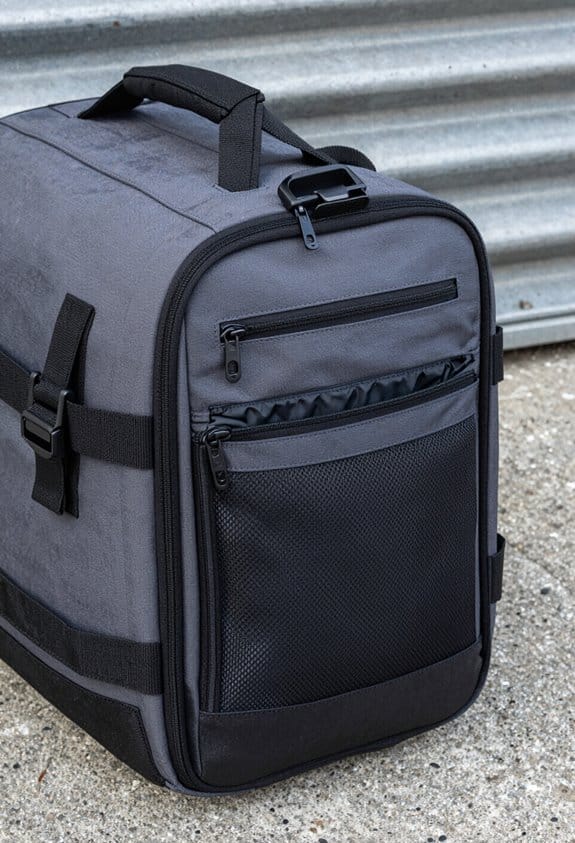
Traveling through a bustling city can feel like a race against time. Having the right backpack, often called a Go Bag, is key to navigating this chaos efficiently. I’ve learned a few crucial tips about selecting the perfect pack for swift urban escapades.
First off, focus on lightweight options. When every ounce counts, a heavy bag can quickly weigh you down. Look for a durable, compact design that won’t make you feel like you’re carrying a boulder. A size between 20 and 30 liters is ideal for fitting essentials without leaving you feeling bulky.
Water resistance is another non-negotiable. Weather changes can be sudden in an urban setting, so choose a bag that will keep your gear dry. Here are some features worth checking out:
- Padded Straps: Comfort goes a long way, especially when you’re on foot for hours.
- Internal Organization: You want quick access to your items. A bag with compartments can save you time and hassle.
- Neutral Colors: Staying low-key helps in crowded spots. Bright colors might draw unwanted attention.
Hydration is crucial, too. Look for a bag that supports water bottles or hydration bladders, making it easy to stay refreshed while on the go.
Also, consider bags with ergonomic design to help reduce strain and increase comfort during extended urban travel.
Ultimately, aim to keep your total load under 20 to 30 pounds. It’s all about finding that sweet spot between durability and weight.
Navigating through the city can be a breeze with the right gear. Keep these tips in mind, and you’ll be ready to tackle any urban challenge that comes your way!
Must-Have Compact Survival Items for Your Go Bag

When you’re navigating an urban landscape, the right survival gear can make all the difference. A Go Bag should be equipped with essential, compact items that support you in emergencies.
Start with medical supplies. A sturdy emergency kit is a must. Include key First Aid items like:
- Tourniquet
- Gauze
- Nitrile gloves
These essentials help you quickly manage injuries when every second counts.
Hydration is next. Staying hydrated is crucial, so pack lightweight options for carrying water. Consider:
- A foldable Platypus soft bottle
- A portable water purifier or purification tablets
These tools ensure you have safe drinking water, no matter where you find yourself.
When it comes to cooking or warmth, a compact fire starter should definitely make the cut. It’s small but mighty, addressing two vital needs.
Let’s be real—many people think Bug Out Bags are all about heavy gear. But it’s best to prioritize lightweight, multi-use tools that don’t weigh you down. Think about what you really need and focus on efficient items that can serve multiple purposes.
The right compact items are the backbone of an effective Go Bag. Keep your gear simple, and you’ll be ready to handle whatever urban challenges come your way. Pack smart, and stay prepared! Proper water storage in BPA-free containers is essential for long-term hydration safety.
Best High-Calorie, Portable Food and Water Options
When the unexpected happens, having the right food in your Go Bag can make a huge difference. Think about it: you need to keep your energy up and stay focused, especially in an urban emergency. High-calorie, portable options will be your best friends in these situations.
Consider packing MREs (Meals Ready-to-Eat). These handy meals pack a punch with 1,200 to 1,300 calories each. They’re perfect for short-term situations. If you want something lightweight and easy to store, freeze-dried meals are an excellent choice. You just add water to rehydrate them, and they give you 600 to 1,000 calories per meal. Great for a bug-out bag!
Don’t forget about snacks. Energy bars and trail mix are compact, high-calorie options. An energy bar contains about 200-300 calories, while trail mix offers 150-200 calories per serving. These are great for quick fuel when every bit counts.
For hydration, clean drinking water is critical. Carrying a reliable water filter like the Katadyn BeFree 1.0L is a smart move. It allows you to purify water wherever you find it, ensuring you stay hydrated on the go.
To sum it up, focus on high-calorie, portable food and safe hydration for your emergency kit. Having the right supplies can prepare you for whatever comes your way. Trust me, you’ll be glad you did! Including space-efficient packaging in your selection helps keep your Go Bag lightweight and easy to carry.
Layering Clothes for Comfort and Mobility
When it comes to staying comfortable and moving easily during urban emergencies, layering your clothes can make all the difference. Have you ever found yourself too hot, too cold, or just plain uncomfortable because of what you wore? I know I have. It’s all about having the right layers that adapt to whatever situation you face.
Start off with a moisture-wicking base layer. Go for breathable, synthetic fabric. This layer helps to manage sweat and keeps your body temperature in check. You want something that feels good against your skin while handling a workout or sprinting to safety.
Next, add a lightweight insulating mid-layer. Think fleece or down. This layer is crucial because it retains warmth without holding you back. You want freedom of movement, after all.
Finally, top it off with a weather-resistant outer layer. A good rain jacket or a windbreaker will protect you from unexpected rain or gusts of wind. The key here is to keep it lightweight. You don’t want to feel like you’re dragging a boulder as you move.
Here’s a tip: make sure all your layers are compressible. That means they can easily fit into your Go Bag without taking up too much space. This way, you can stay agile and ready for anything that comes your way.
To recap, choose:
- Moisture-wicking base layer for moisture management.
- Lightweight insulating mid-layer for warmth without restriction.
- Weather-resistant outer layer to guard against the elements.
Additionally, consider including lightweight electronic earplugs to protect your hearing from loud urban noises.
Staying comfortable in any situation doesn’t have to be hard. With the right layers, you’re not just prepared—you’re ready to take on whatever urban life throws your way. So gear up, stay smart, and move confidently!
Top Multi-Functional Tools That Save Space
Packing a Go Bag? You know it can get heavy fast if you’re not careful. That’s why I’ve learned to rely on a solid mix of multi-functional tools that won’t weigh you down.
Start with a good multi-tool. The Leatherman Wave has saved my bacon more than once. It carries pliers, knives, and screwdrivers all in one compact package. No need to have a separate tool for everything.
You might be surprised how handy a lightweight, foldable stove can be. I don’t carry bulky cooking gear anymore. This little gadget allows me to whip up meals easily, even in emergencies.
Don’t forget about fire. Compact survival kits with waterproof matches and a ferrocerium rod are must-haves for quick fire starting. They take up hardly any space but are a lifesaver when you need warmth or a hot meal.
When it comes to staying hydrated, a pocket-sized multi-functional water filter like the Sawyer Mini is key. It purifies water on the fly, meaning I don’t have to lug around large containers. Less weight, more hydration.
Finally, invest in a lightweight, collapsible water bottle, such as the Platypus soft bottle. It’s perfect for storing water without filling your pack. You can fold it up when empty, making room for other essentials.
Also, consider carrying Acetaminophen packets for quick, lightweight pain relief when on the go.
Essential Communication and Navigation Gear
When emergencies hit in the city, relying solely on our smartphones can be risky. I’ve learned the hard way that having backup communication devices is a game changer. A fully charged satellite communicator or a reliable two-way radio should be top of your Go Bag list. These tools help you stay connected and let others know where you are when it really counts.
For navigation, having choices is key. A compact GPS unit is handy, but don’t underestimate the value of a traditional map and compass. They might require a bit more know-how, but they never run out of batteries. Pack lightweight and durable options to keep mobility high without turning your bag into a dead weight.
Here are a few essentials you shouldn’t skip:
- Portable battery banks: These keep your devices charged during extended outages, so you won’t find yourself cut off from needed communication.
- Signal tools: Simple items like whistles or reflective mirrors can be lifesavers when electronics fail, and they take up hardly any space.
Remember, selecting devices with rugged designs ensures they withstand the challenges of urban and unpredictable environments.
Organizing Your Go Bag for Easy Access and Balance
Packing a Go Bag can feel overwhelming, but it doesn’t have to be. Picture this: you need to grab your bag and move fast, yet it feels like a boulder on your back. That’s where smart organization comes into play.
Start by placing heavier items close to your spine. This helps keep your bag balanced and reduces strain, making it easier to hustle when you need to. Trust me, you don’t want to be fighting your own pack when you’re trying to get somewhere quickly.
Use packing cubes or compartments to sort your must-have items. This little trick keeps everything organized so you won’t be digging around like you’re searching for gold. Quick access is key, so put essentials like first aid supplies and navigation tools near the top or in pockets that are easy to reach. You need to grab them on the fly, not when you’re knee-deep in chaos.
Another essential tip? Don’t overpack. Aim for lightweight, critical gear. Try to keep your total pack weight under 30 pounds. It’s a solid goal that helps you stay nimble and ready for anything without carrying around extra weight or clutter. Also, consider incorporating a water bladder storage solution in your bag to stay hydrated without adding bulky containers.
Reviewing and Updating Your Go Bag Essentials Regularly
Emergencies don’t wait for a convenient moment. That’s why it’s so important to keep your Go Bag ready, but you can’t just pack it and forget about it. Regular check-ins are a must.
Aim to inspect your Go Bag every six months. Why? Because things change. Food can expire, and medications need to be fresh. Take a good look at the following:
- Check expiration dates: Toss out anything that’s gone bad. Restock as needed.
- Update personal documents: Make sure IDs and emergency contacts are current. You want the right info when it matters.
As you’re updating, pay attention to the weight of your Go Bag. A lightweight pack is key. Overpacking can slow you down and make movement tougher, especially in critical situations.
Thinking about practicality? Conduct drills with your Go Bag. This helps you find out what works and what doesn’t. You might discover that certain items just weigh you down or that you forgot something essential.
Also, consider including food grade water containers to ensure safe hydration without adding unnecessary bulk.
Frequently Asked Questions
How to Make a DIY Go Bag?
We can build a DIY bag with essential toolkits and urban survival gear that’s so versatile it could survive a zombie apocalypse! Using customization techniques, multi-use items, minimalist packing, and family go bag options guarantees practicality and readiness.
What Is the Difference Between a Go Bag and a Bug Out Bag?
We see a Go Bag as essential gear for quick urban survival and emergency preparedness, prioritizing mobility and bag organization. A Bug Out Bag’s for long-term needs, packed heavier for extended situations, focusing on practical applications and endurance.
What Are the 5 P’s to Pack in an Emergency Go Bag?
It is understood an emergency can feel like the world’s end, so our essentials checklist includes People for personal safety, Provisions like food supplies, Protection with a medical kit, Power for communication devices, and a Plan with survival tools and water purification.
How Heavy Should a Fully Packed Go Bag Be?
We think the ideal weight for a fully packed go bag is under 30 lbs, balancing essential items and quick access. Considering urban environments, personal preferences, carrying methods, and comfort levels helps us stay agile and ready.


