As an Amazon Associate, we earn from qualifying purchases. Some links on this site are affiliate links at no extra cost to you. Our recommendations are based on thorough research and editorial judgment.


A Practical Guide to Reading Expiration Dates (Best-by vs. Use-by)

Expiration dates can be a bit confusing, can’t they? “Best-by” and “Use-by” labels are everywhere, but understanding them can make a world of difference in how we manage our food. Let’s break it down, shall we?
You may be interested


“Best-by” dates are all about peak quality. They tell you when a product is at its tastiest, not necessarily when it’s unsafe to eat. The good news is, if you store those foods right, they can often be enjoyed even after the date passes.
On the other hand, “Use-by” dates carry a bit more weight, especially when it comes to perishables like dairy or fresh meat. It’s best to consume those by their marked day, or if you’re really careful, possibly within a week if they’re kept chilled.
Keep your eyes peeled for any signs of spoilage, though. Off smells or mold are telltale signs that something isn’t right, no matter what the date says.
To help you navigate these date labels better, here are some quick tips:
- Check the label carefully: Know what each date means.
- Inspect your food: Look for signs of spoilage before tossing anything out.
- Trust your senses: If it smells bad or looks off, don’t risk it.
By understanding these differences, we not only reduce food waste but also manage our groceries smarter. The next time you check the pantry, remember these insights. You’ve got this!
Key Takeaways
- Best By/Best Used By dates indicate peak quality, not safety, and food is usually safe to consume after this date.
- Use By dates mark the last recommended day for perishable items to ensure safety, with about a week of grace if properly stored.
- Sell By dates guide retailers and do not indicate food safety or freshness after the date.
- Expiration Dates apply mainly to infant formula and must be strictly followed for safety.
- Proper storage and sensory checks (smell, texture, appearance) help determine if food is still safe beyond labeled dates.
What Do Best-By, Use-By, and Expiration Dates Mean
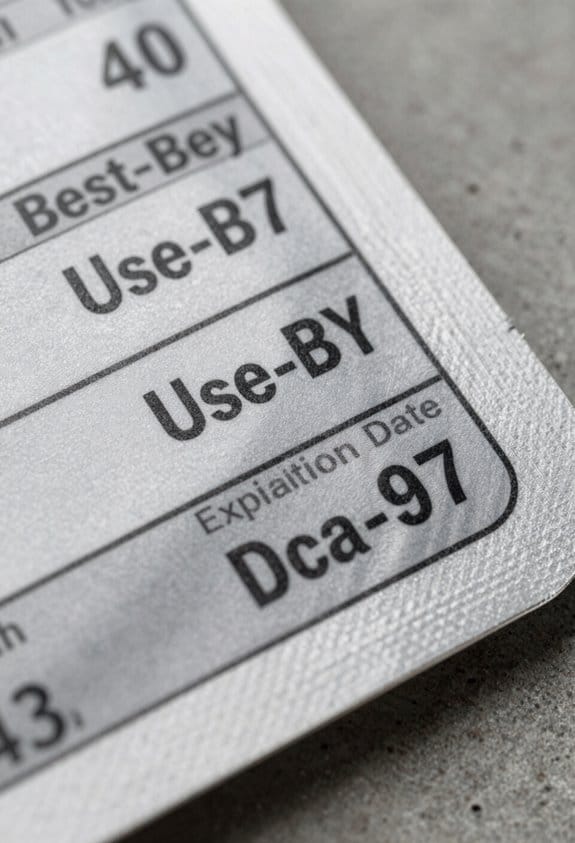
Ever stared at a food package and wondered what all those date labels mean? You’re not alone! It can be confusing to see terms like “Best By,” “Use By,” and expiration dates. Let’s break it down together so you can navigate these labels with confidence.
- Best By/Best Used By: This date tells you when the food is at its top quality. But don’t panic if you see it pass. The food might still be safe to eat, even if it doesn’t taste as great. Think of it as the manufacturer’s suggestion for when you’ll enjoy it most.
- Use By: This one is crucial. It marks the last day to eat perishable products at their prime. If you’ve stored these items correctly in the fridge, you usually have about a week grace period to use them without worries.
- Sell By: You might see this label often, but it’s mainly for retailers. It indicates the timeframe for stores to sell the product. It doesn’t really tell you about the safety of the food after that date.
- Expiration Dates: These are pretty specific. They mainly apply to infant formula. It’s essential to stick to these dates, especially for the little ones.
Food labeling can be a bit of a mess. But if you keep the USDA Food Safety guidelines in mind, you’ll be better equipped to decide what’s safe to eat and what should be tossed out.
Additionally, when choosing food for emergencies, considering products with a long shelf life can help ensure your supplies stay safe and edible for years.
Understanding these labels doesn’t have to be hard. Just remember, knowing what these dates mean will help you make better choices and reduce food waste. Stay informed and happy eating!
Why Expiration Dates Indicate Quality, Not Safety
We’ve all been there—standing in front of our fridge, staring at a carton of milk that has a date stamped on it, wondering if it’s still good. It’s a common thought: those expiration dates mean danger, right? But let me share a little insight with you. Expiration dates are actually more about the quality of food than whether it’s safe to eat.
You might find it surprising that terms like “best by,” “use by,” and “sell by” are really just guides. They tell us when food items are at their freshest and tastiest. Here’s the kicker: most food can still be safe to eat even after these dates, especially if you’ve been storing them properly in the fridge or freezer.
Why does this matter? Well, take a moment to think about food waste. That’s a big deal! Reports say that around 30% to 40% of food in the U.S. is thrown away unnecessarily because of misunderstandings around these dates. That’s a lot of wasted meals!
True safety concerns with expiration dates are pretty rare. They mostly apply to things like infant formula, where it’s crucial to stick to the date for safety. For everything else, use these tips to help you avoid tossing out food that’s still perfectly good to eat:
- Trust your senses: Check for off smells, strange textures, or discoloration.
- Proper storage: Keep perishables in the fridge and freeze items for longevity.
- Know your food: Different foods have different shelf lives; learn what to expect with the items you buy.
By truly understanding the labels and what they mean, you can tell the difference between food that’s just lost some quality and food that’s gone bad. This means you can make smarter choices about what to consume and what to toss. Additionally, choosing foods with long shelf life and proper packaging can greatly extend their usability and reduce waste.
Signs Food Is Safe to Eat After Expiration Dates
Have you ever stared at a carton of milk wondering if it’s still good to drink? Trust me, you’re not alone on that one. It’s a common worry, especially when expiration dates seem to loom large. But here’s a little secret: many foods can remain perfectly safe to eat way past those dates if you know what to look for.
First, let’s talk about spoilage signs. When you’re inspecting food after the sell-by or use-by date, keep an eye out for:
- Off odors
- Slimy textures
- Visible mold
If any of these red flags pop up, toss that food out. For dairy products, like milk and ice cream, proper storage is key. Keep them below 40°F and they can still be fine days after their expiration date.
Canned goods are often misunderstood. Always check for:
- Bulging or dented cans
- Any signs of leakage
Unopened canned foods can last for years, but damaged cans? That’s a whole different story. They can breed bacteria and leave you sick. So be cautious.
Believe it or not, even freezer-burned items can be safe if kept at a steady 0°F. The texture might not be top-notch, but the food is still edible. Always trust your senses—look, smell, and feel the food before deciding.
Keep this in mind: expiration dates are more guidelines than rules. By focusing on spoilage signs, you can avoid wasting food and save a few bucks. So next time you question that milk or those leftovers, trust your instincts. You might just find a little treasure in your fridge! For an added layer of safety when dealing with airborne contaminants, consider the benefits of wearing a high filtration mask.
Recommended Products

MONITOR AC Power Status Remotely: using the free, no subscription-required and user-friendly YoLink app, you will know the AC power status, from anywhere, at any time
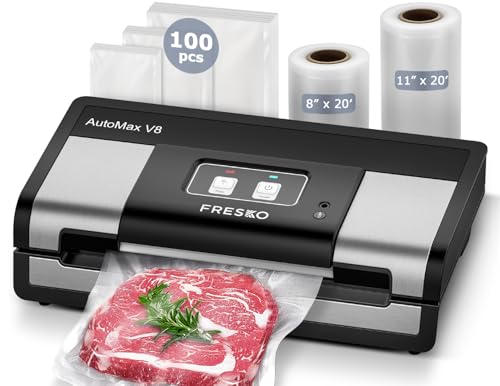
【Effortless Operation】‘Vacuum & Seal' mode (no button needed): Place the bag opening under the Green baffle & close the lid; 'Seal' mode (no button needed): Red baffle & close the lid; 'Pulse' mode: Freely control the vacuum degree - ideal for easily - deformed food; 'External' mode: Vacuum jars, sous vide bags, containers or wine plug; Auto Locking system: One-handed lid opening & closing - no need for extra pressing

Lock In Freshness Up To 8x Longer — The InstaSeal vacuum sealer pulls a powerful 60 kPa] airtight seal that stops freezer burn and slows spoilage, so meat, produce, and leftovers stay fresh for weeks instead of days — ideal for meal preppers, hunters, and families buying in bulk.
Shelf Life of Common Foods: How Long They Really Last
We’ve all been there—standing in front of the fridge, staring at a container of milk, wondering if it’s still safe to drink. Food waste is frustrating, and no one wants to get sick over spoiled groceries. So, let’s cut through the confusion and arm ourselves with some straightforward facts about the shelf life of common foods.
- Milk: If your milk is stored at or below 40°F, you can usually drink it 3-7 days past the sell-by date. Just give it a sniff!
- Eggs: They can last 3-5 weeks after you bring them home. Those “use-by” dates are just guides.
- Hard Cheeses: Got some mold? No problem! You can slice off the moldy parts and enjoy the rest. Soft cheeses with mold? Throw them out.
- Canned Foods: Here’s the breakdown. High-acid foods like tomatoes are good for 12-18 months. Low-acid options can last up to 5 years, especially if there’s a plus date on the can.
- Bread: If you see visible mold, toss it immediately—even if the best-by date hasn’t passed. Better safe than sorry!
- To keep earplugs and other small items organized during travel, consider using a compact storage case with secure closures to prevent loss and contamination.
Recommended Products
![Glotoch 24oz [1 Pallet-8350 Pack] Meal Prep Containers Reusable with Lids, Food Storage Containers Microwave,Freezer,Dishwasher Safe, Leakproof & BPA Free Durable Plastic Bento Box To Go Take Out](https://m.media-amazon.com/images/I/512IoxugSrL._SL500_.jpg)
Package includes: 8350 Food Containers + 8350 Lids

Great Value Set: This juice bottle set includes 1080 16 oz plastic juice bottles with tamper-evident caps, measuring 2.25 inches x 7.5 inches. Includes 1080 bottles and 1080 stickers for easy use.

𝗦𝗰𝗲𝗻𝘁 - 𝗣𝗿𝗼𝗼𝗳, 𝗔𝗶𝗿𝘁𝗶𝗴𝗵𝘁 𝗮𝗻𝗱 𝗟𝗲𝗮𝗸 𝗣𝗿𝗼𝗼𝗳 : Heavy durable ultraviolet glass locks in aroma with airtight BPA free plastic lid. Insurance against the potency of your goods from leaking. Apothecary jars are good for long term storage.Our Sleek design jars come with an airtight seal with a tightly fitting black glass lid.These miron jars have substantive size, and they can easily fit a variety of organic and all-natural products.
Easy Tips to Make Food Last Longer and Reduce Waste
We’ve all found ourselves staring into a fridge full of food, only to toss out half of it a week later. It’s frustrating, right? The good news is, with some simple tips, you can make your food last longer and reduce waste. Let’s dive into a few practical habits you can easily adopt.
- Store perishables properly. Keep your fridge at or below 40°F to keep things fresh. Did you know that milk can last 3-7 days past its sell-by date if you play it smart? That’s right—just make sure it’s stored correctly!
- Always check those date labels. Look for use-by and sell-by dates. This helps you prioritize what to eat first. You want to enjoy high-quality food before it goes bad.
- Use the FIFO method. First in, first out—sounds fancy, right? Just make sure to consume older items before the new ones. Plus, label your leftovers with dates so you can keep track of their freshness.
- Freeze what you can’t eat right away. If some cooked meals or perishables are nearing their expiration, toss them in the freezer. This can really extend their life and save you some stress down the line.
- Meal planning is your friend. It cuts down on overbuying and makes it easier to understand those pesky expiration labels. You’ll save money, and your meals will remain safe and nutritious.
- Consider stocking long shelf life emergency foods to minimize waste and ensure you have reliable meals that stay fresh for years.
In the end, these little tweaks can have a big impact. You’ll waste less food and save money, all while enjoying delicious meals. So, why not start putting these tips into action today?
Recommended Products

VALUE STORAGE PACK: Includes heavyweight 64Oz deli containers with airtight lids designed for storing soups, salads, sauces, leftovers, snacks, meal prep foods, and takeout meals while helping keep ingredients fresh, organized, and ready to serve

EASILY KEEP TRACK OF INVENTORY: With blue measurement graduations listed in quarts and liters, these food storage containers allow you to effortlessly manage your inventory. Easily measure ingredients!

Expertly handcrafted in Poland by skilled artisans, each piece reflects generations of ceramic tradition, offering exceptional durability, authentic charm, and timeless beauty for your home.
Frequently Asked Questions
How to Properly Read the Expiration Date?
Since 90% of Americans misinterpret expiration date formats, we must focus on interpreting date labels like “Best By” and “Use By,” checking freshness indicators, considering storage conditions, and following food safety guidelines to guarantee product quality and safety.
How Do You Understand Use by Vs Best Before Dates?
We recognize use by dates as key food safety indicators, while best before reflects product freshness and quality. By boosting consumer awareness of labeling accuracy and shelf life, we enhance purchase decisions, storage conditions, and waste reduction.
What Is the Difference Between Best by and Use By?
The difference between best before and use by dates lies in shelf life and food safety; best before relates to product freshness and quality assurance, while use by demands strict attention to spoilage signs, storage tips, and consumer awareness for safety.
What Does “Sell By” Date Really Mean?
The sell by date’s significance lies in guiding retailers, but many have sell by misconceptions thinking it’s about food safety. We should focus on sell by quality and shelf life while using consumer tips to reduce waste effectively.


