As an Amazon Associate, we earn from qualifying purchases. Some links on this site are affiliate links at no extra cost to you. Our recommendations are based on thorough research and editorial judgment.


Apartment Cooking Without Power: Heat Options and Safety Rules

Cooking without power in your apartment can feel daunting, but it’s totally doable. Picture this: you’re hungry, and the fridge is lifeless. What do you do? Cooking over an open flame is one option, but it comes with its own set of rules to keep you safe.
You may be interested

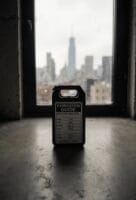

First off, use portable butane or propane stoves. Place them on stable surfaces like a sturdy table or countertop. Always, and I mean always, cook in well-ventilated areas. Open those windows and crank up fans to make sure any gas escapes and doesn’t build up inside your space. It’s all about keeping that air moving.
Next, check for fuel leaks before you start cooking. A simple mix of soap and water can help here; if you see bubbles forming around the connections, you’ve got a leak that needs fixing.
One of the most important tips? Keep a fire extinguisher handy. It’s a small measure that can make a huge difference.
Also, maintain at least three feet of space between your cooking setup and any flammable items like paper towels or kitchen towels. Never leave those open flames unattended. You never know when a spark could turn into a problem.
On the food side of things, think ahead. Stock up on shelf-stable foods like canned goods, dried beans, and pasta. Having an emergency kit ready isn’t just smart; it’s essential.
By following these guidelines, you’ll be cooking safely and effectively, even when the power is out. Stay prepared and enjoy the process!
Key Takeaways
- Use portable cooking devices like Sterno, gel fuel, or emergency candles in well-ventilated, stable areas free from flammable materials.
- Ensure proper ventilation by opening windows and using fans when cooking with butane or propane stoves indoors.
- Check all connections for gas leaks with soapy water and keep at least three feet clearance from flammable items.
- Keep a fire extinguisher nearby, never leave open flames unattended, and follow manufacturers’ safety guidelines strictly.
- Consider outdoor alternatives like solar ovens or barbecue grills on balconies, and verify local regulations for safe use.
How to Cook Safely Indoors When the Power’s Out

Imagine this: you’re all set to whip up a warm meal, but the power just went out. It’s frustrating, right? Yet, cooking indoors during a power outage can be safe if you take the right precautions. I’ve been in that situation, and I’ve learned a few tips along the way that keep things manageable and safe.
First, let’s talk about the tools you can use. Portable cooking options can be lifesavers. Here are a few that I trust:
- Sterno
- Gel fuel
- Emergency candles
Just remember, you can’t be too careful. Always set these up in a well-ventilated area. This helps to keep that pesky carbon monoxide at bay.
Next, where you place your cooking device matters. Find a stable surface and keep it clear of anything flammable. You wouldn’t want to accidentally start a fire while trying to cook! Open flames need your full attention, so keep an eye on what you’re cooking. Seriously, don’t step away, even for a moment.
Following the manufacturer’s instructions is a must. Each device operates differently, and you want to make sure you’re using them correctly. It’s worth it for your safety!
And let’s not forget about the fire extinguisher. Having one nearby can make all the difference. Make sure you know how to use it too, just in case. It’s a good idea to keep a First Alert Fire Extinguisher on hand for quick and effective fire response.
To wrap it all up, cooking during a power outage doesn’t have to be a hassle. With the right tools and precautions, you can safely prepare a meal. Stay alert, stay safe, and remember, you’ve got this!
Recommended Products

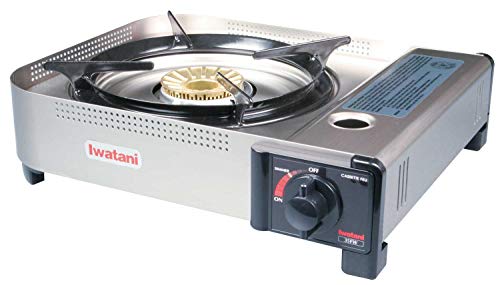
BUTANE STOVE BURNER: Our Iwatani butane stove is the perfect portable cooktop with a super-high output of 15,000 BTU output and a durable brass burner

Sterno Stem Wick 6 Hour Chafing Dish Fuel -- 24 per case.
Using Portable Butane and Propane Stoves Indoors
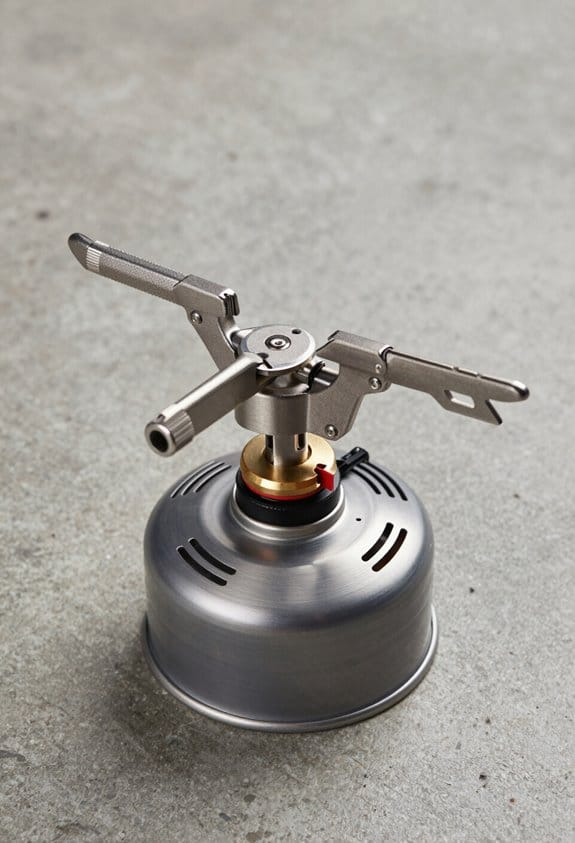
Power outages can be a headache, especially when you’re trying to whip up a meal. It’s tempting to grab that portable butane or propane stove and get cooking. But let’s be real: using these stoves indoors isn’t as simple as it seems.
These stoves are designed for outdoor adventures, not your cozy kitchen. When used inside, they can quickly lead to carbon monoxide buildup, and that’s not something to take lightly. Here’s how to stay safe and make sure your cooking doesn’t end in disaster:
- Ventilation is key. Open windows or crank up your exhaust fans to keep that air circulating.
- Follow all safety guidelines. Read up on the instructions from the manufacturer. Knowing the right way to set up your stove and use the fuel is crucial.
- Check for leaks. Before you even think about lighting up, inspect all connections using soapy water. Even the tiniest leak can spark trouble.
- Keep flammable materials away. Ensure there’s nothing nearby that could catch fire. Safety first!
- Have a fire extinguisher on hand. It might feel overkill, but being prepared for an emergency is just smart.
Additionally, using ventilated safety equipment can significantly reduce the risks involved with indoor use of portable stoves.
Cooking indoors with a portable stove calls for vigilance. Following these steps can help you enjoy your cooking without worrying about safety. Stay cautious, and happy cooking!
Recommended Products

Easy to reach backlit LCD Display
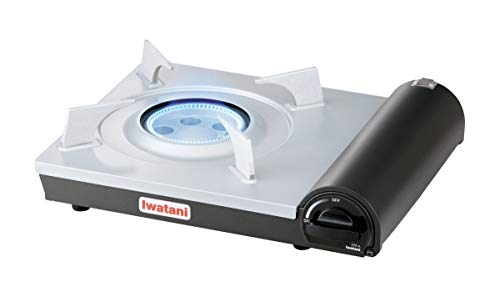
Butane Stove Burner : Our Iwatani butane stove is the perfect portable cooktop for camping, indoor/outdoor commercial use, and emergency situations

POWERFUL PIEZO IGNITION SYSTEM - The Chef Master 15K BTU portable butane camp stove is designed for outdoor enthusiasts who need a reliable, high-performance cooking solution. Featuring an advanced Piezo electric ignition system, this outdoor stove lights instantly with a simple turn of the knob - no matches or lighters required. This makes controlling the heat simple, as you always have the ability to adjust the flame and keep everything at the right temperature
Fire Safety and Ventilation Tips for Cooking Without Power

Cooking without power can feel like a daunting task. I’ve been there, trying to whip up a meal in a dim kitchen, wondering how to keep things safe and ventilated. It’s not just about making dinner; it’s about doing so without putting yourself or your home at risk.
Open up those windows. Trust me, proper ventilation is your best friend when you’re cooking with propane or any open flame. If you can, set up a fan to help circulate the air and keep harmful gases from building up. And don’t forget about that carbon monoxide detector! If you’re using fuel like propane or butane, you want to stay aware of any dangerous levels creeping into your space.
Keep the area around your cooking tools clear—at least three feet of space. You don’t want curtains or anything flammable too close. Safety first! And never leave open flames unattended. If you’re feeling tired or not quite yourself, it’s probably best to leave the cooking for another time.
Make sure you have a fire extinguisher handy and know how to use it. Familiarity with your tools goes a long way in an emergency.
Cooking without power can be tricky, but by following these tips, you’ll mitigate risks and keep safe. So, gear up and tackle that meal! You’ve got this.
Also, consider having portable water treatment options available to ensure safe hydration during power outages and emergencies.
Recommended Products

Halotron I, Class B:C Extinguisher


Chemical & Capacity: Halotron I Clean Agent, 2.5 Pounds
Solar and Outdoor Cooking Alternatives on Your Balcony
When the power goes out, cooking may seem like a challenge, but it doesn’t have to be. I’ve found that using solar and outdoor methods right on my balcony can keep the meals coming, even during unexpected outages. Imagine harnessing the sun’s energy to whip up a delicious meal. Solar ovens are fantastic for this—they can reach temperatures between 250 and 300 degrees Fahrenheit. On sunny days, even just a little bit of sunlight can get the job done, perfect for slow-cooking or baking.
You might wonder about quicker options. That’s where portable propane stoves and folding steel stoves come in. They’re compact and get hot fast, making them great for boiling water or frying up something tasty with minimal fuel. If your building allows it, a barbecue grill—whether charcoal or gas—can really expand your outdoor cooking game. You can grill, bake, or even smoke, adding some variety to your meals.
Safety is key when cooking outdoors. Keep these tips in mind:
- Ensure there’s good ventilation.
- Keep your cooking area clear of flammable materials.
- Have a fire extinguisher easily accessible.
- Check and abide by local building codes regarding balcony cooking.
Gathering your cooking supplies beforehand not only makes things easier but also adds an extra layer of safety to the process. Using heating devices with tip-over protection can provide an additional safety layer during outdoor cooking.
In short, cooking on your balcony during a power outage is both doable and fun. With a bit of preparation and the right gear, you can enjoy great meals no matter what. So get out there and embrace the outdoors for your next cooking adventure!
Recommended Products

🔥【Unique Fireplace】: It's like having a fireplace wherever you want it! The low profile of this elegant fire table just beckons you to gather round it and tell stories. Clean burning propane flame provides soothing warmth with electronic ignition, safety valve for easy start, gentle lighting and a centerpiece for many outdoor evenings worth remembering.

Oven Stove Combo - 2 in 1 design, with three burner stoves(8,000 BTU+6500*2 BTU) and one oven(7,100 BTU). Achieve infinite cooking in a compact kitchen

【Eco-friendly and Smoke-free Design】: Our outdoor fire pit is environmentally friendly, use propane gas to support stable and clean burning, CSA Certified. The heat output is 50,000 BTU providing ample warmth and creating a romantic bonfire atmosphere in the chilling winter or summer nights. This portable propane fire pit table will perfectly compliments pool, deck, porch, balcony or any outside space.
Food Preparation and Storage Strategies for Power Outages
Power outages can strike when you least expect them. It’s a real bummer, especially when it impacts your food supply. Having a solid plan in place is crucial for keeping your nutrition in check and preventing waste.
Start by stocking up on a variety of shelf-stable foods, such as:
- Canned goods
- Dried grains
- Legumes
Regularly checking your inventory is a smart move. Rotate items to make sure nothing spoils. Vacuum sealing your supplies can also work wonders; it extends shelf life and keeps moisture and pests at bay. Think about putting together an emergency food kit packed with ready-to-eat snacks and a manual can opener. This way, you’re always prepared when the power dips.
Let’s talk meal planning. Create a plan utilizing the stocked foods you have. It’s all about minimizing waste while ensuring you stay nourished during the outage.
In addition, consider having a supply of emergency water barrels and water treatment options to ensure safe hydration throughout the outage.
These strategies for food storage and preparation can help you stay safe and well-fed. Remember, a little planning goes a long way, and you can handle anything that comes your way!
Frequently Asked Questions
How to Cook in an Apartment With No Electricity?
We rely on stovetop cooking with a portable grill or outdoor barbecue, plus canned food and instant meals. Storing emergency supplies of non-perishable items helps, and we even try candle cooking for small, cozy heat when needed.
How to Cook With a Power Outage?
Well, who needs fancy cooking gadgets when we can embrace blackout chic? Let’s rely on portable stoves, propane options, outdoor cooking, emergency meals, canned goods, no cook recipes, and other heat sources to keep our taste buds happy together!
How to Keep Warm if There Is No Power?
We cope with powerless living by wearing layered clothing and using emergency blankets, portable heaters, and thermal bottles. We focus on heat retention by insulating windows and practice candle safety to keep warm without risking harm.
How to Safely Cook Indoors Without Electricity?
We can use indoor grills or propane options with safety precautions, try candle cooking as survival methods, and reserve outdoor stoves for well-ventilated areas. Proper food preservation complements these cooking techniques during outages.


