As an Amazon Associate, we earn from qualifying purchases. Some links on this site are affiliate links at no extra cost to you. Our recommendations are based on thorough research and editorial judgment.

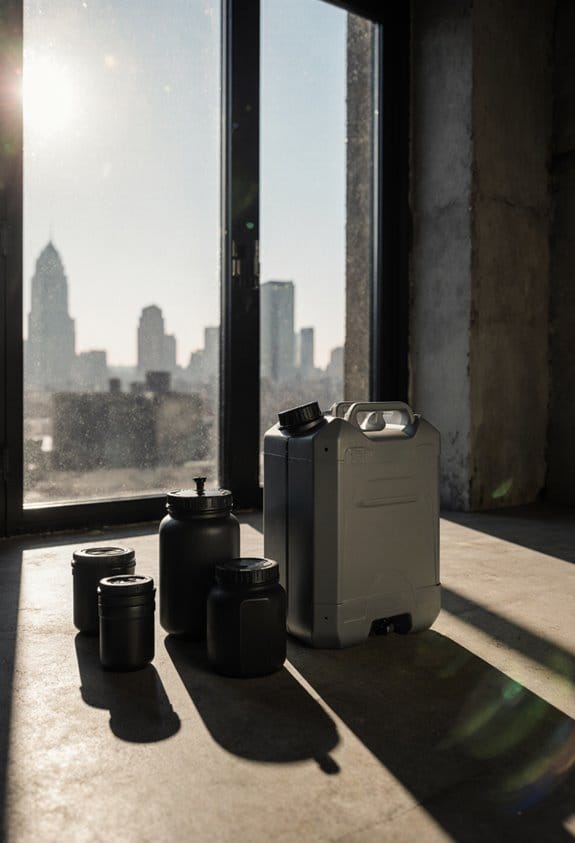
Building a 7-Day Water Plan That Fits in One Closet

Storing enough water for a week might sound like a challenge, but it’s totally doable—even in a small space. If you want to be prepared, go with about 7 gallons per person. That breaks down to 1 gallon each day for drinking and another 1.5 to 2 gallons for cooking and hygiene.
You may be interested


To make it happen, consider using sanitized, sturdy containers or collapsible jugs. They save space and keep your water safe. Here’s how to set it up:
- Store water on shelves or stack bins vertically.
- Label each container with the fill date. This makes it easy to rotate your supply every six months.
You might wonder about safety. Keep some water purification options on hand, like bleach or water purification tablets. They can be lifesavers in case your water needs treatment.
Planning ahead like this isn’t just practical; it’s essential. You’ll ensure you have reliable access to clean water when it counts.
Take these steps, and you’ll be ready for anything, all while keeping it organized and efficient. Stay prepared, stay safe!
Key Takeaways
- Store 7 gallons of water per person using space-saving collapsible containers or stackable bins to fit efficiently in one closet.
- Sanitize all containers with a bleach solution before filling and ensure they have sealed lids to prevent contamination and leaks.
- Label containers with fill dates and rotate the water supply every six months to maintain freshness and safety.
- Utilize vertical storage with sturdy shelves and consider smaller containers in kitchen or bathroom cabinets to maximize closet space.
- Keep emergency water purification methods on hand, such as tablets or an emergency filter, for added safety during use.
How Much Water You Need for a 7-Day Closet Plan

Getting ready for an emergency can seem daunting, especially when it involves storing water for a week. But it doesn’t have to be complicated! For each person, you should plan for at least one gallon of water a day. That’s seven gallons for one week. If you have a family of four, you’re looking at 28 gallons just to drink.
What about cooking and hygiene? You’ll need more than just drinking water. Ideally, set aside an additional 1.5 to 2 gallons per person each day. This means food prep and keeping clean shouldn’t be an afterthought.
Here’s a quick checklist for your seven-day water supply:
- 1 gallon per day for drinking
- 1.5 to 2 gallons for cooking and hygiene
- Rotate your stored water every six months to keep it fresh.
Keeping your food supplies and water together helps everything stay organized and easy to access when you need it the most.
You might wonder, what if the water sits for months? Consider investing in water purification methods. A little preparation goes a long way.
Surprisingly, many people overlook the water heater at home. It can store 30 to 50 gallons of safe drinking water in case of emergencies. This could really give you peace of mind knowing you have access to enough water during a crisis.
Using heavy-duty BPA-free plastic containers helps ensure your stored water remains safe and uncontaminated over time.
In short, being prepared means thinking ahead. Whether it’s drinking, cooking, or staying clean, having a solid water plan ensures you’re covered. Take these steps to feel secure and safe. You’ve got this!
Choosing the Best Containers for Compact Water Storage

Deciding how to store water for emergencies can feel overwhelming. It’s about more than just filling up some bottles. You want to make sure you’re maximizing your space while keeping your water safe and fresh.
First off, think about collapsible containers. They’re a lifesaver! When empty, they tuck away easily, but when you need them, they can hold a good amount of water. Another option? Sturdy gallon jugs. You know, those old vinegar or pasta sauce containers? If they’re clean and leak-proof, they work great.
Before you fill those containers, here’s a crucial step: sanitize them! A simple bleach solution—one teaspoon per gallon—will do the trick to keep contaminants at bay. And remember, it’s smart to aim for at least 14 gallons per person. That covers you for two weeks if unexpected situations arise.
Don’t forget to seal the lids tightly to avoid any leaks. Choosing the right containers is key. It ensures that your water remains safe, accessible, and neatly stored, ready for any emergency. Many containers also come with leak-proof mechanisms, which can prevent spills and keep your storage area clean.
Clever Closet Storage Hacks for Your Water Supplies

Closets are often just for clothes, but they can be lifesavers for your water supplies. Let’s be honest: running low on water feels daunting. But with a few smart storage hacks, you can keep everything organized and accessible.
Start by thinking outside the box. Collapsible water containers are perfect for saving space. You can easily tuck them away when you’re not using them. Add sturdy shelves or stackable bins to really take advantage of vertical space. Speaking of storage, find bins that are clearly labeled. Allocate separate bins for different types of water: bottled, tap in sanitized containers, and purification backups. This way, grabbing what you need becomes a breeze.
Track your supplies efficiently. A simple labeling strategy can help you rotate your water every six months. That way, you won’t end up with anything stale. To keep things clutter-free, store smaller containers in your kitchen or bathroom cabinets; it helps keep your closet neat. Also, don’t forget about those empty spots under your bed or behind furniture. They can be ideal for backup water storage.
When you’re storing water, opt for durable gallon jugs. They’re less likely to leak, which keeps your closet clean and ready for emergencies.
To wrap it up, with a little creativity and organization, your closet can double as a great storage space for water supplies. Go ahead and give it a try. You’ll feel more prepared and less stressed during those unexpected situations. Choosing storage made from high-density PVC can further ensure durability and safety for your water supply.
Filling and Sanitizing Your Stored Water Safely
If you’re like me, you’ve probably wondered about the best way to prepare your water supply for emergencies. It’s not just about having enough; it’s about ensuring it’s safe to drink. Organizing your supplies is just part of the puzzle.
First things first, clean and sanitize your containers before filling them up with tap water. You wouldn’t drink from a dirty cup, right? Here’s what I do to sanitize: mix one teaspoon of household bleach into a gallon of water and stir it well. This simple step kills off any harmful organisms that might be lurking. But there are other methods too, like boiling water or using filters and purification tablets, especially if you’re dealing with untreated sources.
After mixing everything up, seal those containers tight. Then, store them in a cool, dark place. Sunlight and heat can make your water go bad fast. Remember, good habits while filling and sanitizing your water supply make all the difference. You want to be absolutely sure that when the time comes, you can trust what’s in those containers.
In the end, it’s all about being prepared so you can stay safe. Take these steps seriously, and you’ll have peace of mind knowing your water supply is ready when you need it most. Using chlorine dioxide kits can add a reliable method for long-term water purification in your emergency supplies.
Keeping Your Stored Water Fresh: Rotation Tips
Storing water might seem simple, but if you don’t take care of it, you could end up with some pretty questionable sips down the line. Trust me, I’ve been there. The key is keeping your water fresh, and I’ve got some tips to help you out.
First off, you really need to rotate your water supply every six months. This keeps it safe and tasting clean. I always make sure to use sanitized containers. Before sealing them, I add one teaspoon of bleach for every gallon. This little step can make a big difference. Don’t forget to label each container with the date you filled it up; it makes tracking a breeze.
Now, when you’re organizing your stash, put the oldest containers in front. This way, you’re naturally using those first and sticking to a solid maintenance schedule. You might wonder how often to check for leaks or signs of contamination. I recommend inspecting them regularly—your health depends on it!
Following this system means you can count on your stored water. No more worries about stagnation ruining the taste or quality. Also, choosing containers made from BPA-free, food-grade materials helps ensure your water remains uncontaminated and safe over time.
Simple Water Purification Methods When Supplies Run Low
When water supplies dwindle, the last thing you want is to risk your health. Purifying water is essential, and I want to share some tried-and-true methods that can help keep you safe when the situation gets tough.
Boiling water is one of the simplest and most effective methods. Just bring it to a rapid boil for at least one minute. This process wipes out harmful pathogens lurking in your water. Don’t have a stove? Use a portable camping stove or even a fire if you’re outdoors.
If boiling isn’t an option, unscented bleach can do the trick. Mix 1/8 teaspoon of bleach into a gallon of water, give it a good stir, and let that sit for 30 minutes before using. Trust me, it’s an easy way to make questionable water safer to drink.
Don’t overlook water purification tablets, either. They’re compact and straightforward to use. Just follow the instructions on the package, and you’ll have peace of mind in no time.
Another great tool is an emergency filter. These filters can turn murky water into something you can safely sip on. Make sure you choose one that specifically removes bacteria and protozoa. That’s key to getting quality water.
You might be surprised that your water heater can provide some clean water too. It can hold up to 50 gallons, which is a handy resource in a pinch. Just make sure you’re using clean containers when you gather and store your water.
Using a multi-stage filtration system can further improve water safety by efficiently removing bacteria, viruses, and protozoa.
Lastly, don’t forget to rotate your water supplies every six months. Fresh water is safer water, so keep that stash up to date.
Purifying water doesn’t have to be complicated. With a little knowledge and preparation, you can ensure your safety when resources are limited. Stay safe and be prepared—you never know when you might need these tips!
Why a 7-Day Emergency Water Storage Plan in Your Closet Makes Sense
When the unexpected happens, having enough clean water can make all the difference. Whether it’s a natural disaster, a plumbing issue, or anything in between, a 7-day emergency water storage plan could save you and your family from panic. Why not keep it in your closet for easy access?
Start by planning for your family’s needs. Here’s a good rule of thumb: One gallon of water per person per day. If you have a family of four, you’ll need about 28 gallons. To fit this in your closet, use space-saving containers. They are a lifesaver when it comes to maximizing your storage.
But don’t stop there. You might wonder where else you can find extra water. Your water heater is a great source too! It typically holds 30 to 50 gallons of water—so why not tap into that during an emergency?
Maintaining the quality of your water is super important. To keep it fresh, I recommend rotating your supply every six months. It’s a simple task that ensures you have clean, safe water when you need it.
Having a designated spot for your emergency water stash not only saves time but also eases anxiety when a crisis hits. Knowing where to grab your supply can help you respond quickly and calmly. Additionally, consider including water purification drops in your plan to ensure any stored or found water is safe to drink, especially if you’re unsure of its sources.
Frequently Asked Questions
How Do Preppers Store Water?
We balance bulky containers against compact, collapsible ones, using water filtration systems and water purification methods for safety. Emergency storage tips like rotating supplies help us keep water fresh and ready for any crisis that arises.
What to Stockpile in Case of War?
We should stockpile survival essentials like water, non-perishable food, first-aid kits, and hygiene products. Proper ration planning guarantees safe supplies last, keeping us prepared and secure during uncertain times. Let’s stay ready together.
How Long Will Tap Water Stay Fresh in a Container?
It is understood tap water can stay fresh up to six months if stored in clean, food-grade containers using proper water filtration methods. To maximize storage duration, rotating water regularly and keeping containers sealed in a cool, dark place helps.
How Much Does Emergency Water Storage Cost?
Emergency water storage can cost between $40 and $100, depending on cost-effective containers and water purification methods we choose. For long-term storage, repurposing containers and adding purification options help keep costs manageable and our supply safe.


