As an Amazon Associate, we earn from qualifying purchases. Some links on this site are affiliate links at no extra cost to you. Our recommendations are based on thorough research and editorial judgment.


Recognizing Unsafe Water: Smell, Color, Sediment, and What They Mean

Have you ever poured a glass of water and immediately recoiled at the sight or smell? You’re not alone. Many of us take clean water for granted, but knowing the warning signs can make a huge difference.
You may be interested



Keep an eye out for these common indicators of water problems:
- Cloudy Appearance: This could mean something’s off.
- Unusual Smells: A rotten egg odor? That’s hydrogen sulfide. Rusty colors can indicate iron seeping from old pipes.
- Sediment or Black Particles: If you see these, it might point to plumbing issues or organic buildup.
- Metallic or Bitter Taste: This could signal heavy metals like lead or manganese lurking in your water.
If you spot any of these, hold off on drinking until you can get it tested. Trust me, it’s not worth the risk.
Truth is, staying aware of these signs is crucial for protecting your health.
When in doubt, seek more information or guidance. Taking even small steps can ensure cleaner, safer water. You got this!
Key Takeaways
- Cloudy, red, or brown water often signals iron contamination from aging pipes or sediment buildup.
- Rotten egg smells indicate hydrogen sulfide gas from organic matter breakdown, signaling unsafe water.
- Blue or green faucet stains are signs of copper pipe corrosion, which can affect water safety.
- Metallic or bitter tastes often indicate pipe corrosion or excessive metals like lead, iron, or manganese.
- Immediate water testing is crucial when changes in smell, color, or sediment occur, to identify contaminants.
Common Causes of Water Discoloration

Water discoloration can be frustrating and concerning. You turn on the tap expecting clear, clean water and—surprise!—you get something brown, cloudy, or even blue. So, what’s going on?
First off, aging pipes are often culprits. If you live in an older home or rely on a private well, iron or other contaminants can leach into your water supply. It’s like a hidden problem that sneaks up on you. If your water looks cloudy or milky, that might just be trapped air. But if it sticks around, you could be dealing with sediment or organic matter.
Now, if you start seeing blue or green stains around your faucets, that’s a red flag. Those colors usually show your copper pipes are corroding, which can lead to serious health risks over time. It’s not just an aesthetic issue; it’s something that could affect your wellbeing.
Knowing how to address these issues is crucial. Here are some steps you can take:
- Test Your Water: Get a water testing kit to pinpoint any contaminants and understand the risk factors involved.
- Monitor Changes: Keep an eye on any changes in your water quality over time. If the discoloration gets worse, it’s time to act.
- Check for Sediment Buildup: Look for signs in your pipes and fixtures to catch any buildup before it becomes a bigger problem.
Taking these steps not only helps ensure safe water but also keeps you aware of potential threats lurking in your home’s plumbing.
Dealing with water discoloration can be daunting, but it’s essential to stay vigilant. By addressing these issues early, you can protect your health and your home. Keep your water clear and clean—you deserve it! For contaminated water sources, using a gravity water filtration system can effectively remove bacteria and parasites to ensure safety.
Recommended Products

RECOMMENDED: For targeted testing and identification of microplastics in drinking water.

RECOMMENDED: When your water tastes or smells metallic, bitter, or musty/mildew-like, or if you see biofilm buildup or other microbial growths on faucets and fixtures.

AT-HOME TEST FOR 213 ANALYTES: The most comprehensive and advanced water analysis covering 213 contaminants, including heavy metals (lead, copper, arsenic, and more), bacteria, industrial chemicals & VOCs, fuel contaminants, disinfection byproducts, pesticides & herbicides, minerals, fertilizers, & general water quality indicators—all from one easy-to-use kit.
Recognizing Unsafe Water by Smell and Odor

Have you ever taken a sip of water and been hit with a funky smell? It’s more than just a strange scent; that odor can tell you a lot about what’s lurking in your water. Discoloration might catch your eye, but let’s not underestimate the power of our noses.
If your water has a rotten egg smell, you’re likely dealing with hydrogen sulfide gas. That can happen when organic materials break down or due to sulfur-reducing bacteria getting a little too cozy in your supply. Not exactly a welcoming scent, huh?
Now, if the water smells like bleach, it often means there’s too much chlorine in the mix from over-disinfection. That can be a real turnoff, and it’s worth checking out what’s going on.
Keep an ear out—or rather, a nose out—for earthy or musty scents. Those often point to algae and organic contaminants sneaking into your water. A sewage-like odor? That’s a major red flag. It can mean bacterial contamination, often linked to agricultural runoff or broken septic systems. Definitely not something to ignore.
Finally, if you catch a whiff of something chemical or plastic-like, that could be volatile organic compounds leaking from pipes. It’s always a good idea to be alert for these kinds of smells. Using high-quality Berkey Water Filters can help remove many of these contaminants and improve water safety.
Recommended Products

One Dri-Eaz HVE 3000 Portable Flood Pumper (F479) Extractor Vacuum with Auto Pump-Out and 12-Gallon Tank
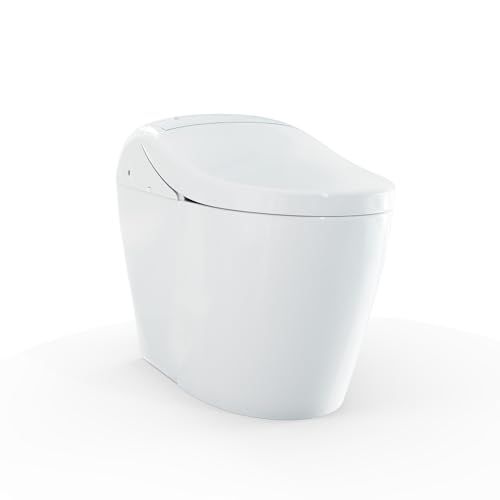
A REFRESHING CLEAN - Gentle yet powerful rear and front oscillating warm water cleansing; Adjustable temperature and pressure settings; Warm air dryer; Automatic air deodorizer uses powerful filters to neutralize odors.

OUR MOST POWERFUL CARPET CLEANER: Clean with the power of the pro's with our most powerful carpet cleaner machine. Best-in-class suction power delivers superior commercial-grade deep cleaning results.
Sediment in Water: Causes and Health Risks

Noticing sediment in your water? That’s a red flag that shouldn’t be ignored. It can sneak in from dislodged particles in your pipes, problems with your water heater, or even sand if you rely on well water. That murky look hints at deeper issues that could compromise your water quality. It might even hide nasty stuff like heavy metals or bacteria.
So, why does this matter? Contaminants can pose serious health risks. You definitely don’t want to be sipping water that could make you sick. Here’s how you can tackle this issue before it turns into a real health hazard:
- Get your plumbing checked: Regular maintenance is key to keeping sediment buildup at bay.
- Schedule routine water testing: This helps identify harmful pollutants lurking in your water.
- Inspect plumbing sources: When you see sediment, dig deeper and figure out where it’s coming from.
Doing these things not only ensures you have safe water but also protects your home’s plumbing and infrastructure.
Taking these proactive steps can go a long way in keeping your family healthy. Consider using water purification drops with long shelf life to safely treat contaminated water when testing reveals pathogens. Let’s stay on top of our water quality and protect what matters most!
Recommended Products

Premium Quality: Highest quality coconut carbon blocks sourced from the USA
Premium Quality: Highest quality coconut carbon blocks sourced from the USA

Made in Korea - Lifetime Warranty on Parts & Labor
Metallic and Bitter Tastes That Signal Contamination
Ever taken a sip of water and noticed a strange metallic or bitter taste? If you have, you’re not alone. This unsettling flavor could be a sign that something’s off with your water.
First off, let’s talk about where that metallic taste might come from. A lot of the time, it’s linked to pipe corrosion, particularly in older copper pipes. When these pipes start to break down, they can release metals like iron into our drinking water. Now, a little bit of iron isn’t usually harmful, but if you notice a strong metallic taste, it could mean that more serious contaminants like lead or zinc are present. These aren’t just unpleasant; they can pose serious health risks.
You may also find that bitterness in your water points to excess manganese or high levels of iron. So how do you tackle this problem? Here are a few steps to consider:
- Conduct Water Testing: This is the first step. A simple home test can help identify what’s actually in your water.
- Look for Sediment Buildup: Check your pipes for gunk or buildup. This can lead to more corrosion.
- Consider Filtration: Invest in a good filtration system designed specifically to remove metals and sediments. It’s worth the peace of mind.
It’s pretty alarming when you think about it. Contaminated water isn’t just about taste; it affects your health. So don’t wait around. Test your water and take action to keep it safe for you and your family. With a bit of attention, you can enjoy your water again—clear and clean. For comprehensive protection, also consider adopting certified safety measures for home water treatment.
Water Stains That Indicate Plumbing or Water Issues
Have you ever taken a sip of your tap water and thought, “What’s up with this taste?” It can be pretty concerning. You might not realize it, but those odd flavors could be linked to serious plumbing issues that shouldn’t be ignored. One of the first things to do is check for visible signs, like water stains around your sinks or tubs.
Here’s what to look for:
- Red, Brown, or Yellow Stains: These colors often mean rusty water from aging pipes. This can lower your water quality and raise the chances of contaminating your water supply.
- Blue or Green Stains: These can be a sign of copper corrosion, generally caused by acidic water. Long-term exposure to high copper levels can lead to health problems, so keep an eye out.
- Black Sediment: This might come from your plumbing or corroding magnesium anode rods in hot water systems. Not something you want lingering in your water.
- Pink or Red Stains: If you spot these, it could mean you have bacterial growth. This is a sign that you should act fast.
Seeing these stains is your cue to test your water quickly. Doing so helps ensure your safety and identifies any urgent plumbing repairs or treatment steps you may need to take.
Proper storage of water testing supplies and replacement parts in durable organizers can help you maintain and monitor your water quality effectively.
Stay curious and proactive about your water quality. It’s worth it for your health and peace of mind!
When and How to Test Your Water for Contaminants
Testing your water can feel daunting, but it’s crucial for your health. If you get your water from a private well, consider making water testing an annual habit. Trust me, it’s worth the peace of mind. You want to keep an eye on contaminants like harmful bacteria, nitrates, heavy metals, and more that could sneak into your water supply.
But what if you notice a change? Has the taste shifted? Is there a funky smell? Or maybe you’ve seen a color change? Don’t wait. Test your water right away. Events like flooding or nearby construction can stir up issues, too.
So, how do you go about this? Start by reaching out to your local health department. They can give you the lowdown on testing protocols specific to your area. After that, send your water samples to a certified lab. This ensures you get reliable results.
When testing, it’s smart to focus on common contaminants relevant to your local geology. For example, if lead or sulfur is a concern in your area, those should be high on your list.
Regular testing protects you and your family from unseen dangers lurking in your water. Make it a part of your yearly routine. You’ve got this! Remember, using a hollow fiber water filter can provide an effective way to remove many harmful bacteria and protozoa from your water.
Recommended Products

Product 1: ✔EASY TO USE: Incorporates the patented exact Strip reagent delivery method and other advanced technologies that offer faster, safer, easier, and more precise water testing with a digital readout so no color matching required.

✔EASY TO USE: Incorporates the patented exact Strip reagent delivery method and other advanced technologies that offer faster, safer, easier, and more precise water testing with a digital readout so no color matching required.
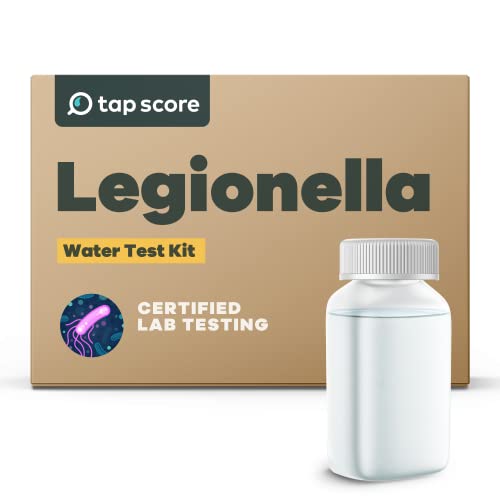
RECOMMENDED: Recommended for targeted testing for the most common species of legionella found in drinking water.
Practical Steps to Take If Your Water Is Unsafe
We’ve all been there—turning on the faucet and immediately noticing something off about the water. Maybe it has a strange smell, weird color, or just tastes funky. Trust me, don’t brush these signs aside. Your health is too important to ignore them.
So what should you do first? Put the glass down! Steer clear of drinking that questionable water until you know it’s safe. Your local health department or a certified lab is your first stop for thorough testing. They can pinpoint what’s really going on. Is it copper? Heavy metals? You won’t know until you ask.
If your water comes from a well, take a moment to check the water supply system. Look for signs of trouble—things like corroded pipes or sediment buildup can be hidden culprits. Depending on what those tests reveal, you might want to think about installing a reliable water treatment system. Whole-home filtration can work wonders, especially for odors like hydrogen sulfide.
Don’t miss the routine maintenance, either. Regular checks on your well and plumbing can help keep your water safe long-term. Follow the recommended guidelines closely; they’re there to protect you and prevent future issues in your drinking water.
Taking these steps can make a huge difference. Stay vigilant, keep your water safe, and enjoy peace of mind knowing you’re doing right by your health. For the best results, consider systems with ultrafiltration technology to effectively remove contaminants while preserving essential minerals.
Recommended Products

Cleaner, Healthier Water from Every Tap in Your Home – Specially designed for well water. High-performance water filter system for great-tasting water, improved air quality, healthier hair & skin, and protected pipes & appliances
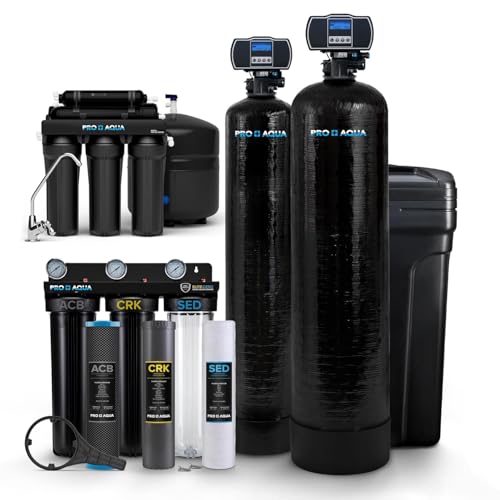
5 STAGE ULTIMATE PROTECTION: Specifically designed to provide unmatched filtration performance for well water. This whole house filtration package will provide safe water for your entire home and remove many contaminants found in well water as well as hardness.

WHOLE HOUSE WATER FILTERING - The Clearsource whole home water filter system provides industry-leading protection against contaminants and improves the taste and smell of the water throughout your house.
Frequently Asked Questions
What Color Is Sediment in Water?
Imagine turning on your tap and seeing brown sediment swirling in cloudy water. Sediment color can vary: brown, red, yellow, black, green, white, or even clear, all affecting water clarity and indicating different water quality concerns.
What Are the Indicators of Unsafe Water?
We notice indicators of unsafe water through unusual color, foul odor, sediment, or taste, signaling contamination sources like microbial pollutants, chemical residues, or groundwater issues. We rely on testing kits, filtration methods, sanitation practices, and emergency measures to guarantee water safety.
What Does Toxic Water Smell Like?
Toxic water smells like sulfur odor, chemical scents, musty smells, and bleach aroma. It might carry metallic fragrance, sewage scent, earthy tones, moldy notes, burned plastic, and ammonia hints. We should act fast and test it.
How to Identify Unsafe Water?
We identify unsafe water by testing its chemical composition for contaminants from sources posing health risks. Using filtration systems, water treatment, and community resources guarantees household safety, lessens environmental impact, and supports emergency responses effectively.


