As an Amazon Associate, we earn from qualifying purchases. Some links on this site are affiliate links at no extra cost to you. Our recommendations are based on thorough research and editorial judgment.


Gray Water Basics for Apartments: What You Can Reuse Safely

Living in an apartment often means dealing with limited space and resources.
You may be interested



But what if I told you that you could reduce water waste and even help your plants thrive? Enter greywater reuse! This is all about recycling water from your daily activities like showering, washing your hands, or laundry.
Let’s break it down:
- Greywater typically comes from:
- Showers
- Baths
- Hand basins
- Washing machine rinse cycles
- Avoid kitchen water. Why? It’s full of grease and food scraps that can harm your plants.
Now, to reuse greywater safely, there are some simple steps you can follow:
- Collect Promptly: Make sure you gather that water quickly after using it.
- Storage Time: Don’t keep it for more than 24 hours. Otherwise, you risk inviting bacteria.
- Choose Cleaning Products Wisely: Use biodegradable, low-suds soaps. Your plants will thank you!
- Filtration: A simple mesh screen can filter out debris before you water.
- Plant Considerations: Stick to non-edible plants. Safety first, folks!
- Irrigation Approach: Use subsurface irrigation when possible to minimize plant exposure.
Implementing these steps not only helps you reuse water safely but also leads to a more sustainable lifestyle.
To wrap it up, greywater reuse in apartments is totally doable! Take small steps, and you’ll be amazed at how you can make a difference.
Go ahead, give it a try—you might just enjoy the benefits of nurturing your plants while saving water!
Key Takeaways
- Greywater from showers, baths, hand basins, and washing machine rinse cycles is safe for reuse in apartments.
- Avoid using kitchen sink water as greywater due to grease and food contaminants.
- Use biodegradable, low-sudsing soaps and shampoos to protect plants and irrigation systems.
- Store greywater no longer than 24 hours to prevent bacterial growth and odor.
- Employ basic filtration and regular maintenance to ensure greywater quality and system longevity.
What Is Greywater and Where Does It Come From?

Have you ever thought about the water we use in our homes and where it all goes? You’re not alone! Greywater—essentially the water from your sinks, showers, and laundry—is a resource we often overlook. It’s that used water that doesn’t come from toilets, so leave the human waste out of the equation.
So why should we care? This greywater can actually be repurposed for non-drinking uses, like watering your ornamental plants. It’s a great way to conserve water, especially in areas where it’s needed most. Just keep this in mind: Avoid using greywater on edible plants due to potential health risks from bacteria.
Here’s what you can do to use greywater safely:
- Collect it properly: Make sure your collection system is clean.
- Limit storage time: Don’t hang onto it for more than 24 hours. Storing it longer can lead to unpleasant odors and harmful bacteria.
- Target the right plants: Use it for non-edible plants only.
Being responsible with greywater is essential for keeping our homes and gardens fresh and safe. It’s all about finding that balance and treating this resource with care. By doing this, you’re not just helping your plants thrive; you’re also contributing to environmental sustainability. So, why not give greywater recycling a try? Your garden—and the planet—will thank you! Remember, proper maintenance helps prevent bacteria buildup that can cause odors and health hazards.
Safe Sources of Greywater in Apartments
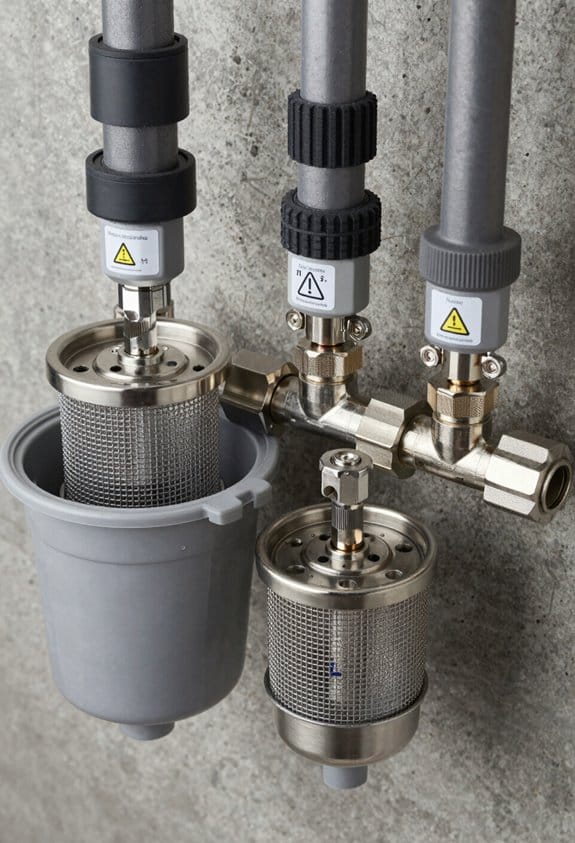
Living in an apartment often means juggling space and sustainability. The good news? You can actually harness water from some everyday activities for tasks like irrigation. Imagine turning your shower and laundry water into a resource instead of just letting it go down the drain. Let’s dive into how.
Here’s what you can safely repurpose:
- Showers: A solid source for greywater. After all, you’re rinsing off with less gunk than you might think.
- Baths: Go ahead and collect that water, but make sure it’s fresh.
- Hand basins: Perfect for capturing water from handwashing. Simple and effective!
- Washing machines: Especially the rinse cycle, where you’ll find lower levels of impurities.
Now, what should you steer clear of? Kitchen sink water is a no-go. It’s often filled with grease and food bits, making it a breeding ground for bacteria. You might wonder why that matters. Simply put, it poses health risks and can lead to odors.
If you decide to collect this greywater, use it within 24 hours. This quick turnaround prevents any funky smells or bacteria buildup.
To keep things safe, stick with biodegradable and mild cleaning products. This choice makes a big difference. Fewer harsh chemicals mean safer water for your plants and helps maintain quality.
Making small changes can have a bigger impact. Repurposing greywater is not just a smart way to conserve resources; it’s a step toward a more sustainable lifestyle. So, why not give it a try? Every drop counts! Additionally, just like with emergency food supplies, proper storage and prompt use of greywater ensure its safety and effectiveness.
Choosing Cleaning Products Safe for Apartment Greywater

If you’ve ever thought about reusing water in your apartment, you probably know that choosing the right cleaning products is crucial. The last thing we want is to unintentionally harm our plants with harsh chemicals. Conventional detergents often carry cleaning agents that aren’t friendly to the environment. We’re talking about stuff like boron and chlorine, which can actually damage the soil and our beloved plants.
So, how do we make the right choices? Here’s what I’ve found works well:
- Opt for biodegradable products: These break down easily and have a lower impact on plants and groundwater.
- Choose eco-friendly soaps and shampoos: They’re formulated to be gentler on the environment and on our water systems.
- Look for low-sudsing options: These help avoid build-up that could mess up your irrigation systems.
- Check labels carefully: Stay away from anything with high concentrations of harmful ingredients.
I can’t stress enough the importance of being picky about what goes into our cleaning routine. By making thoughtful selections, we not only protect our plants and keep soil healthy, but we also ensure that our irrigation systems run smoothly.
Being mindful about what we clean with can make a huge difference. Next time you grab a bottle off the shelf, remember: good choices lead to healthy plants! Additionally, using cleaning tools with chemical resistance can further reduce unintended harm when managing greywater safely.
Recommended Products
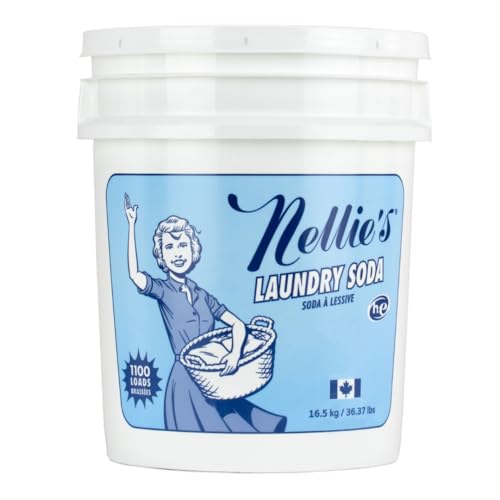
Pre-Measured Laundry Pods – Nellie’s Laundry Nuggets offer the power of Laundry Soda in easy pods that dissolve in hot or cold water, delivering dependable cleaning at home or on the go.
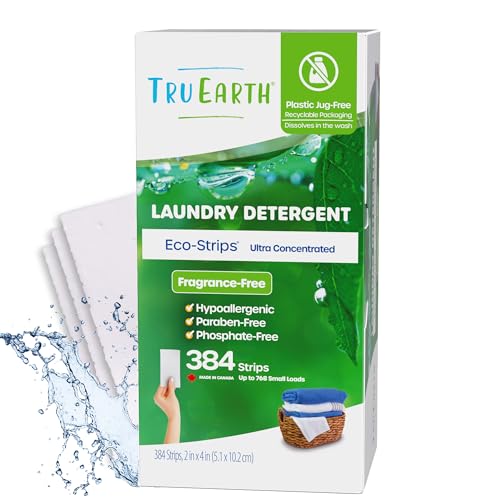
COMPACT YET POWERFUL LAUNDRY STRIPS: Tru Earth laundry detergent sheets, made in Canada, have gained popularity across the USA and beyond, not just as travel laundry soap sheets, but also an everyday solution to heavy, bulky, watered down jugs.

EXTRA STRENGTH FORMULA - Efficiently removes even the toughest dirt from horse blankets wash, without leaving any traces behind.
Simple Ways to Treat Greywater at Home
Treating greywater at home can be a game changer for anyone looking to save money and be more eco-friendly. I remember the first time I realized I could reuse water from my laundry and showers. It seemed so simple yet so impactful.
You don’t want to risk clogging your pipes or harming your plants. So, before reusing that shower or laundry rinse water, setting up a basic treatment system is key. Here’s how you can do it:
- Collect the Greywater: Start by capturing water from your daily routines – think showers and laundry.
- Basic Filtration: Use mesh screens or slow sand filters to remove particles and contaminants. These methods are efficient and can be done with minimal effort.
- Choose Biodegradable Products: This is crucial! Using eco-friendly cleaning supplies keeps harmful toxins out of your greywater system.
- Regular Maintenance: Check your filters frequently. Clean them and ensure everything is in working order. A little upkeep goes a long way in preventing clogs and keeping the water’s quality high.
By following these steps, you can prevent potential plumbing issues and give your plants a boost without the risk of damaging them. Including basic tools like a durable outdoor compass in your home emergency kit can further help you stay prepared during eco-friendly home projects.
Want to save water and maybe even a little cash in the process? With these easy tips, you’ll be well on your way to reusing greywater effectively. Just think about how much water you can conserve with a few simple changes!
Recommended Products

Cleaner, Healthier Water from Every Tap in Your Home – Specially designed for well water. High-performance water filter system for great-tasting water, improved air quality, healthier hair & skin, and protected pipes & appliances
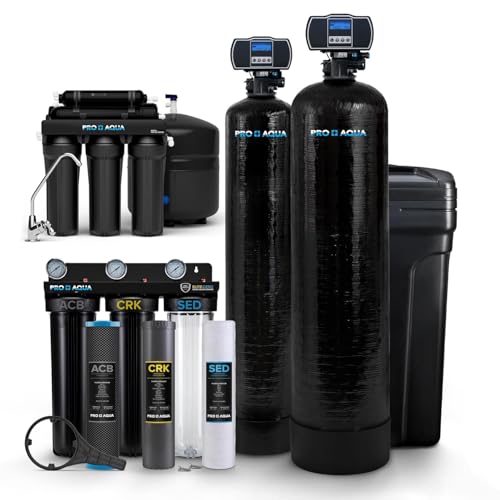
5 STAGE ULTIMATE PROTECTION: Specifically designed to provide unmatched filtration performance for well water. This whole house filtration package will provide safe water for your entire home and remove many contaminants found in well water as well as hardness.

Cleaner, Healthier Water from Every Tap in Your Home: High-performance water filter system for great-tasting water, improved air quality, healthier hair & skin, and protected pipes & appliances. Independently tested to NSF/ANSI Standard 42.
How to Use Recycled Greywater Safely in Apartments
Living in an apartment can sometimes mean limited access to water sources, but recycling greywater can make a significant difference. It’s an eco-friendly way to conserve water while giving your plants some much-needed hydration. But before you dive in, let’s talk about how to do this safely.
First off, only collect greywater from reliable sources. Showers, baths, and laundry rinse cycles are perfect while steering clear of kitchen sink water. Why? Kitchen sinks often have grease and food particles that can lead to unwanted contamination.
Storage is key. Always store your collected greywater for no longer than 24 hours. This helps limit bacterial growth, keeping everything safe. When you’re ready to use it, consider a subsurface irrigation system. This technique delivers water right to the plant roots. Not only does it reduce human contact, but it also prevents any pooling, making it ideal for non-edible plants.
You might wonder if you can use greywater for drinking or cooking. The answer is a clear no. It’s crucial to maintain hygiene with the water you consume. Keep your irrigation system in check, too! Regular inspections and maintenance will help you avoid clogs and ensure everything runs smoothly.
For longer-term water storage in emergencies, using BPA-free food-grade barrels ensures water safety and durability.
Recommended Products

Effortless Yard Irrigation Setup: The Orbit All-in-One Automatic Watering System simplifies yard irrigation with a complete 2-zone automatic sprinkler system designed to deliver consistent watering

Waters your lawn automatically the whole season

Frequently Asked Questions
How Can Greywater Be Safely Reused?
Like a well-tuned instrument, greywater systems need quality assessment and proper water filtration. By following health regulations, using efficient irrigation methods, maintaining collection systems from household appliances, and applying maintenance tips, we maximize conservation benefits while minimizing environmental impact.
Which Grey Water Is Safe to Reuse?
It is understood that gray water sources like laundry water and shower water are safe to reuse following safety regulations. Avoid kitchen waste; using treatment methods and filtration options helps protect plants and meets legal considerations with proper reuse techniques.
Can We Reuse Grey Water?
Yes, we can reuse grey water, and its reuse benefits are huge—boosting water conservation and supporting sustainable living. By following plumbing regulations, health considerations, and household practices, we embrace eco-friendly alternatives for irrigation systems with positive environmental impact.
What Not to Put in a Grey Water System?
We shouldn’t put unsafe substances like kitchen waste, food particles, oils and fats, cleaning chemicals, personal hygiene products, body products, laundry detergents, synthetic fragrances, or garden fertilizers into our greywater system to keep it safe and effective.


