As an Amazon Associate, we earn from qualifying purchases. Some links on this site are affiliate links at no extra cost to you. Our recommendations are based on thorough research and editorial judgment.


Building a Communication Tree: Who Contacts Whom and When

Building a communication tree can feel overwhelming, but it doesn’t have to be. Picture this: a well-structured network that ensures everyone is informed quickly and effectively.
You may be interested


Start by identifying your key contacts. These should be people who have vital information and can sway decisions. Limit each person to three or four direct connections. This approach helps avoid chaos and speeds up communication.
Next, consider the structure. Aim for 3-4 levels in your tree. At each tier, specify the order of calls and be sure to list backup contacts. Why? Because no one is available 100% of the time, and having someone ready to step in keeps things flowing smoothly.
To make sure your system is effective, run regular drills. These not only help you understand who’s reachable but also prepare your team for real-world situations. The goal is to achieve at least a 95% reach rate.
Don’t forget to update those contact details regularly. Information changes, and so should your tree.
To sum it up, organizing a communication tree takes some effort, but it pays off. Proper planning leads to clear, timely communication. So set it up, test it often, and watch team collaboration improve!
Key Takeaways
- Design a hierarchy with 3-4 levels where each person contacts 3-4 designated individuals to ensure message clarity and prevent distortion.
- Assign key contacts based on access to critical information and designate backups to maintain consistent communication flow.
- Specify exact timing for each contact stage, balancing automated alerts with personal calls for prompt and reliable message delivery.
- Regularly update contact details and conduct scheduled drills to achieve a 95% or higher reach rate during communication tests.
- Train all participants on their roles and communication protocols to ensure quick, accurate message transmission in emergencies.
Why a Clear Communication Tree Matters

Picture this: an emergency hits, and chaos surrounds you. The last thing you need is confusion. A clear communication tree can be your lifeline in such moments. It ensures everyone gets the right information when they need it, promptly and efficiently.
So, why is a structured communication system so crucial? Here are some key reasons:
- Speed: It helps ensure that critical messages reach every part of your organization without delay.
- Clarity: A solid structure limits overwhelming contacts, keeping each person to only 3-4 connections. This means messages stay clear and less likely to get twisted.
- Roles: Everyone knows who to contact and when. This clarity saves precious time when every second counts.
- Testing: Regular checks on contact info and the communication tree help maintain a reach rate of 95% or higher.
Effective communication during crises can cut response times, reduce mistakes, and enhance coordination. By maintaining and fine-tuning a communication tree, you guarantee that important information flows smoothly when it matters most. Just as maintaining equipment like electrical hazard shoes is essential for safety, regularly updating your communication tree safeguards your organization’s well-being.
Maintaining clear lines of communication can make all the difference in an emergency. Take the steps now to prepare, so that when chaos strikes, your organization is a step ahead.
Identify Key Contacts and Assign Roles

Establishing a solid communication tree can feel overwhelming, but it doesn’t have to be. Picture this: key contacts within your organization serve as the crucial link in the information chain. Identifying these individuals is your first step. Choose people who have access to essential information and wield influence. It’s vital that each of them fully understands their role in this framework.
- Start by clearly assigning responsibilities. Determine who will share messages and identify backups in case of an absence.
- Keep your structure simple. Aim for no more than 3-4 levels of hierarchy. This helps ensure smooth communication and keeps messages from getting twisted.
- Always have updated contact details. Regularly check that everyone’s information is current.
Training sessions can be incredibly helpful. They offer a chance to familiarize everyone with their roles and the communication protocols. Regular updates about any changes in roles or personnel can enhance the reliability of your tree. Incorporating user-friendly designs into your communication system can simplify message retrieval and increase efficiency during emergencies.
Recommended Products
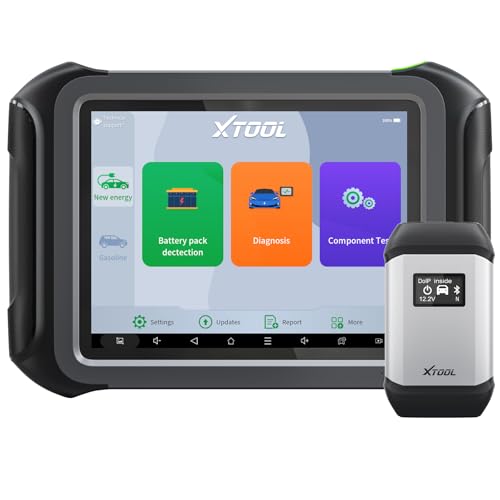
Newly Upgraded Professional Auto Scanner, Updated of XTOOL D9S: Top electrical diagnostic tool XTOOL D9EV adds powerful functions: EVs diagnostics, offline battery pack analysis, and high voltage system testing. Also covers what D9S supports: advanced ECU C0ding, PMI, bi-directional control, Intelligent Topology Map for OE-Level full scan, more than 46+ services, supports DoIP/CAN FD Protocols, 10,000 cars coverage Note: Please check compatibility before purchase

【15 Kilometers】E1 RTK GNSS Surveying System with IMU has a long transmission distance, Radio range between the rover and the base can reach 15 kilometers (9.32miles). Also E1 can compatible with base stations of other brands in both Radio and CORS mode. Support RTCM v3/CMR correction data transmission.

【60°Tilt Surveying】E1 Lite GNSS Surveying System with IMU, can initializes in 5 seconds and supports tilt measurements up to 60°, and compatible with regular 5/8" thread poles.
Design the Communication Tree Call Flow

Designing a communication tree call flow can feel overwhelming. You want to ensure that messages fly through the air like a well-oiled machine, right? One key to achieving that is limiting each person’s contacts. Think about it—if everyone reaches out to three or four people max, the flow remains smooth and manageable.
Here’s how you can set it up effectively:
- Establish a clear hierarchy: Organize the structure into 3-4 levels. This ensures everyone knows who to pass messages to, making it easier and quicker for information to spread.
- Define roles: Assign specific responsibilities. Clarify who talks to whom. This step boosts accountability and cuts down confusion. Nobody wants to be stuck in the middle of a mix-up!
- Leverage technology: Use automated systems for initial alerts. They can speed up message delivery significantly. Follow these alerts with personal phone calls for clarity. This combo hits the sweet spot of efficiency while keeping that human touch.
- Regular tests: Don’t forget to test the communication tree regularly. You want to be sure it’s effective and that you reach at least 95% of your contacts. Testing helps you tweak the system before an actual crisis hits.
Remember to maintain the system’s reliability by inspecting key components regularly, much like checking the slip-resistant features to ensure continued effectiveness.
Staying organized means your communication process stays strong. Keep it clear, keep it concise, and you’ll foster timely, accurate message exchanges. Now go ahead and give your communication tree the attention it deserves!
Recommended Products

QUICK & EASY INSTALLATION - Most RVs are already prepped for the Vision S camera system, eliminating extensive drilling requirements. Installation is also quick and straightforward for non-prepped units. Not compatible with Vision S+ systems.

[ 0 Monthly Fees, Lifetime Free Unlimited Data ] The wireless solar-powered outdoor camera is built with a SIM card providing exclusive lifetime free unlimited data. No subscription required, no hidden fees. Lifetime free data. This camera includes a 64GB TF card (supports up to 128GB), capable of recording up to 120 days of video content (based on 0.5GB/day storage) Note: The embedded SIM card cannot be used with other IoT devices.
Test and Train Your Communication Tree Team
Have you ever been in a situation where communication broke down at a critical moment? It’s frustrating, right? That’s why I’m a firm believer in regular testing and training with your communication tree team. It’s all about ensuring everyone knows their role inside and out.
Testing and training provide two essential benefits. First, they confirm the responsiveness of your communication system. A well-prepared team can act quickly and effectively. Second, these sessions help everyone get accustomed to their responsibilities during emergencies. You want your team operating smoothly—even when the pressure is on.
Here are a few tips for effective testing and training:
- Mix it up: Use scheduled drills along with surprise tests. This keeps everyone on their toes and truly prepares them for the unexpected.
- Simulate real scenarios: Walk through specific emergencies. This not only builds confidence but also trains everyone on how to act when it counts.
- Listen to feedback: After each drill, take time to gather input from your team. Identify weaknesses and adjust your protocols accordingly.
But don’t overlook communication channels. It’s vital that information flows quickly and clearly during a crisis. When everyone knows where to get information and how to share it, you reduce confusion and increase efficiency.
Remember, maintaining your communication tree system is just like routine trauma kit maintenance—regular updates and checks keep everything functioning when you need it most.
In the end, this ongoing cycle of testing, training, and adapting strengthens your communication tree. By sharpening each person’s responsiveness, you create a reliable system that’s ready to tackle any crisis. Stay prepared, stay effective!
Best Practices to Keep Messages Fast and Accurate
Effective communication is crucial, especially in emergencies. Imagine a situation where you need to relay important information quickly—having a solid communication structure can make all the difference.
To keep things running smoothly, consider these strategies:
- Create a Clear Hierarchy: Limit direct contacts to three or four people. This way, your message travels efficiently up the chain without getting lost.
- Maintain an Updated Contact List: Include multiple phone numbers for each contact, plus some backups. This ensures that the line stays open, even if someone can’t be reached.
- Craft Concise Messages: When time is of the essence, your messages need to be short and to the point. Clear information gets processed faster.
- Utilize a Phone Tree System: Combine automated alerts with personal follow-ups. This hybrid approach allows for quick responses while keeping a human touch in communications.
- Regular Testing: Periodically check your communication system. Doing so helps identify any weaknesses and allows for improvements. Aim for at least a 95% reach rate to ensure reliability.
Including organized compartments in your communication tools can streamline message management in high-pressure scenarios.
These practices can really enhance how we share information when it counts. When we streamline our communication like this, we not only keep things fast but also make sure the details stay accurate. So, why not take some time to assess your current communication methods? It could save you a lot of headaches down the line.
Frequently Asked Questions
How to Make a Communication Tree?
To make a communication tree, we focus on effective messaging and team coordination, using a clear hierarchical structure. We tailor information dissemination for target audiences, establish response protocols, incorporate feedback loops, employ digital tools, and enhance crisis management through strong communication strategies.
What Is a Communication Tree?
A communication tree is a communication structure managing information flow with clear stakeholder roles and escalation points. It guarantees message clarity, quick response time, feedback loops, and decision-making hierarchy, involving teams effectively using various communication tools.
How to Make a Calling Tree?
They say, “Many hands make light work.” We build a calling tree by organizing group notifications into an efficient structure, boosting communication efficiency for crisis management, volunteer coordination, event planning, and emergency response, with family contact and automated calls included.
What Is a Contact Tree?
A contact tree’s a communication tool with a hierarchy of roles. We use it for quick info sharing, tackling challenges through updates, software, and strategies. Its benefits improve adoption—but ongoing maintenance’s key to success.


