As an Amazon Associate, we earn from qualifying purchases. Some links on this site are affiliate links at no extra cost to you. Our recommendations are based on thorough research and editorial judgment.


Radio Basics for Urban Emergencies: Terms, Bands, and What to Monitor

Urban emergencies can hit hard and fast, and knowing how to connect with the right information is crucial. Trust me; it pays off to be prepared. One key step is to focus on important radio bands that keep you in the loop.
You may be interested


Start with NOAA Weather Radio. Tune into frequencies between 162.400 and 162.550 MHz for vital weather alerts.
Don’t forget local fire and police frequencies. Monitoring these channels keeps you updated on emergency responses in your area.
Also, the 2-meter ham band (144-148 MHz) is a great choice for chitchatting with fellow ham radio enthusiasts or getting crisis updates.
Here’s how you can set up your gear effectively:
- Pre-program your radios: Have those key channels saved and ready to go.
- Carry backup power: It’s always good to have fresh batteries or a portable charger handy.
- Stay tuned: Regularly check local emergency dispatch and weather alerts.
By understanding terms like transmit, receive, and repeaters, you’re giving yourself the best chance of staying connected.
Repeaters, in particular, help extend your signal over obstacles, which is essential in densely populated areas.
Being prepared not only keeps communication flowing during disasters but also ensures you’re ready to act when it counts.
Stay safe and stay informed; it could make all the difference.
Key Takeaways
- Monitor NOAA Weather Radio frequencies (162.400 – 162.550 MHz) for critical weather updates during urban emergencies.
- Key bands include 2-meter VHF (144-148 MHz) and FRS/GMRS for personal and community communication.
- Understand terms like transmit, receive, and repeater to optimize radio operation in urban environments.
- Pre-program local fire, EMS, and police dispatch frequencies for immediate access to incident information.
- Use dual-band radios with external antennas and backup power for reliable connectivity in city disasters.
Key Radio Frequencies and Bands for Urban Emergencies

Urban emergencies can hit us when we least expect it. Last summer, during a freak storm, I realized how crucial it is to have reliable communication. That’s when I started digging into essential radio frequencies and bands.
First up, NOAA Weather Radio is a must. It runs between 162.400 and 162.550 MHz and provides nonstop weather updates. When the sky looks ominous, this is your go-to source for timely alerts.
Next, let’s talk about local fire, EMS, and police dispatch frequencies. Staying tuned into these channels will keep you informed about active incidents and any evacuation orders. Sites like RadioReference.com are super helpful for finding those frequencies.
If you’re interested in ham radio, the 2-meter band (144-148 MHz) is your lifeline during disasters. These operators are often the first to help when other communications fail.
For personal chit-chats, Family Radio Service (FRS) and General Mobile Radio Service (GMRS) channels can work wonders. The best part? Most FRS channels don’t require a license. Lastly, don’t overlook CB Radio Channel 9 at 27.065 MHz, which is designated for emergencies.
Having an Emergency Responder Trauma Bag nearby can also ensure you’re prepared to assist in emergencies alongside maintaining communications.
Staying aware of these frequencies can make a big difference in a crisis. Prioritize familiarizing yourself with them. Having the right tools can keep you connected and informed when it matters most. Stay safe, and take charge of your emergency communication plan!
Recommended Products

219 PL/DPL codes (6 customizable codes),3 Voice Scramble Codes,Weather Channels.

【High Capability & Compatibility】 The SMA26 Pro is an full-constellation 4G RTK GNSS receiver with wide protocol compatibility, making it compatible with multiple RTK brands. Supporting PPP, PPK, and RTK technologies, it delivers versatile, high-precision performance for a wide range of surveying applications

Radio Terms Urban Preppers Need to Know

In an urban crisis, staying connected can make all the difference. A solid grasp of radio communication is crucial. First off, let’s talk about frequencies. These are the radio waves that allow our devices to talk to one another. They range from low to high, typically measured in megahertz (MHz), with certain frequencies set aside just for emergencies.
Next, there are two key actions: to transmit and to receive. Transmitting means sending out a signal, while receiving is all about getting that signal back. You might wonder how to improve your reach, especially in tricky urban environments. This is where repeaters come into play. They boost your signal, cutting through obstacles like buildings and noise, making communication much clearer.
Another term to keep in mind is “DUC,” or Dual Use Communication. This handy feature lets you use both emergency and recreational bands, giving you more options during a crisis. Don’t forget to stay tuned in to NOAA Weather Radio frequencies. They provide continuous weather updates and can be lifesavers when the skies turn sour.
Also, if you’re interested in emergency help, HAM operators are a fantastic resource. They’re part of the Amateur Radio Emergency Service and often assist during disasters. Lastly, mastering your two-way radio is essential. It ensures you’re effectively communicating when the moments get tense.
Proper equipment with features such as adjustable eye legs can improve comfort during extended emergency communication situations.
Setting Up Radio Gear for Urban Emergencies

Emergencies can hit hard and fast, often throwing us into chaos. That’s why having your radio gear ready is crucial. Think about it: when the sirens sound or the lights go out, clear communication can make all the difference. Here’s how to set up your gear so you’re not scrambling when it matters most.
First off, store your radio with straightforward instructions. Imagine trying to figure it all out in a panic – it’s not fun. Keep these setup points in mind:
- Pre-program your channels: Include local emergency frequencies that first responders and HAM radio operators use.
- NOAA Weather Updates: Essential for staying informed about severe weather.
- Routine Checks: Regularly test your batteries and connections. You want to know your gear is reliable when the time comes.
- Backup Power: Solar chargers or a stash of extra batteries can keep your equipment running during blackouts.
- External Antenna: Mounting one can vastly improve your signal, especially in the city where buildings often get in the way.
You might be wondering about the best frequencies to monitor. Connect with a local HAM operator who knows what’s most relevant for your area. Their insight can guide you in honing in on critical communications.
Staying prepared with the right radio gear ensures you have accurate information when emergencies strike. It’s all about making smart moves now so you’re ready for whatever comes your way. Stay safe out there! Additionally, pairing your radio gear with a portable power station can guarantee continuous operation even during extended power outages.
Recommended Products

[Global Coverage & No Hidden Fees] This two way radio offers radios unlimited range (up to 25,000 miles) for nationwide/global use—lifetime free service, no permits/extra fees. Ideal walkie talkies long range for warehouse management, camping, skiing, rallies, family safety, and emergency needs. Unbox and use instantly, no complex setup.

ULTIMATE SELF-SUSTAINING HOME KIT – 4096Wh capacity + dual 240W panels. Complete off-grid backup for prolonged outages.
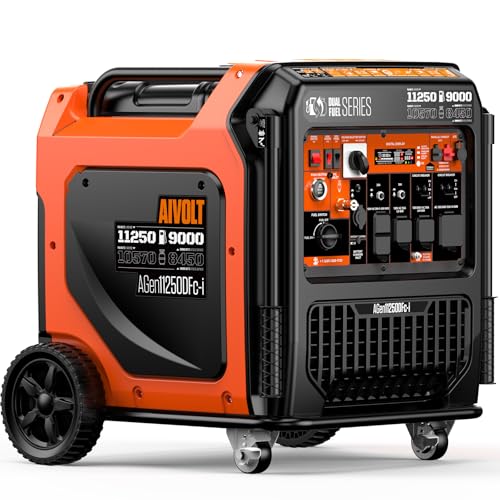
Meets U.S. Standards: This generator follows strict U.S. environmental and safety rules. EPA & CARB Compliant. Available for purchase in CA
Staying Connected When Radio Signals Drop
Living in a busy city, you know how frustrating it can be when your radio signal drops out. It happens more often than we’d like, especially when tall buildings get in the way. But don’t worry; there are plenty of ways to keep the lines of communication open even when the signal weakens.
First off, let’s talk about antennas. Investing in an external antenna can significantly improve your reception. It helps push through those pesky obstructions. Repeaters are another big help. These devices grab weak signals and amplify them, making it easier to reach out during emergencies.
Staying informed is key, right? So, tune into local frequencies, especially those for EMS and fire dispatch. These channels will keep you updated on weather changes or disasters in your area. Also, portable radios with dual-band capabilities are fantastic tools. They allow you to switch bands based on the signal you’re getting, optimizing your chances of contacting someone on ham radio frequencies or official Radio Service channels.
If you find yourself in an area with severe interference, satellite communication is a good alternative. It might be more expensive, but it’s almost always reliable. Using devices with dual-band capabilities can greatly enhance communication options in urban environments.
With these strategies and tools at your disposal, you can ensure that you stay connected, even when regular radio signals start to fail.
In the end, staying prepared makes all the difference. Keep these tips in mind, and you’ll feel more confident navigating communication challenges in urban environments. Stay safe and connected!
Choosing the Best Radios for City Disasters
When disaster strikes in a city, communication is key. You want a radio that won’t leave you in the dark. Think longevity, durability, and flexibility. It’s about finding radios that can do it all.
Consider radios that cover multiple bands. Look for VHF/UHF and NOAA frequencies to stay updated with weather alerts and emergency broadcasts. These features are crucial for staying informed during a crisis.
Two-way radios like GMRS and FRS are perfect for keeping in touch with your family or neighbors. The best part? No Amateur Radio license is needed. It makes coordination a breeze when everyone can simply pick up their radios.
If you’re looking to communicate over longer distances, high-frequency radios are the way to go. They do require a Ham Radio License, but they connect with emergency networks efficiently. Imagine being able to reach out for help when you need it most!
When choosing your radio, look for models that set up easily and come with pre-programmed emergency channels. These features save time and effort when every second counts.
Want to maximize your signal in the city? External antennas and portable repeaters can boost clarity and extend your range. They’re helpful for getting through all those concrete walls and urban noise when disaster hits.
For enhanced safety during emergencies, wearing high visibility safety gear can improve your visibility to rescue teams and others.
Stay prepared and keep your loved ones safe. Having the right radio during a city disaster can make all the difference. You’ll be glad you took the time to plan ahead.
Frequently Asked Questions
What Is the 3 3 3 Rule for Radio?
The 3 3 3 rule radiates readiness: monitoring three radio frequencies across frequency ranges for emergency alerts. We prioritize communication protocols, signal strength, message clarity, maintain equipment, check battery power, antenna types, and practice emergency drills together.
What Are the 5 C’s of Radio Communication?
The 5 C’s of radio communication are Clarity, Conciseness, Confidence, Correctness, and Courtesy. We focus on clear communication, message clarity, noise reduction, and proper channel selection to guarantee strong signal strength and effective group coordination during emergencies.
What Are the Important Radio Frequencies for Emergencies?
We prioritize emergency channels like NOAA weather alerts, amateur radio bands, and public safety frequencies, using scanner usage and band allocation strategies. Understanding radio propagation and digital modes guarantees our communications equipment picks up critical emergency alerts effectively.
What Are the 4 Golden Rules of Radio Communication?
Oh sure, let’s just shout randomly! Nope, the four golden rules are clear: practice radio etiquette basics, follow emergency signal procedures, master clear communication techniques, and keep radio equipment maintenance in check for effective transmission strategies every time.


