As an Amazon Associate, we earn from qualifying purchases. Some links on this site are affiliate links at no extra cost to you. Our recommendations are based on thorough research and editorial judgment.


Building a “Situational Report” Habit: A Simple 5-Minute Update Routine

Building a situational report habit might sound a bit tedious, but let me tell you, it’s a game changer. Think about it: in just five minutes a day, you can gain a powerful grip on your surroundings. By logging the date, time, location, and key events, you get a clearer picture of what’s happening in your community.
You may be interested


So, what should you focus on? Here’s a quick rundown:
- Recent changes in the area
- Community dynamics and interactions
- Notable challenges that might arise
With these elements, you’re not just collecting data; you’re also tapping into local sentiments. This helps you identify potential threats before they escalate. Sharing what you track fosters accountability among peers. You’d be surprised how much sharper your decision-making can be.
Staying consistent with this practice enhances your strategic planning. It’s not just about recording facts; it’s about being responsive. The more you engage with this habit, the better prepared you’ll be.
Keep it simple. Commit to five minutes each day, and watch as you gradually improve your awareness and readiness. You’ve got this!
Key Takeaways
- Set a consistent daily time for a quick 5-minute situational report to develop a reliable habit and ensure routine engagement.
- Use templates or checklists to streamline report creation, focusing on date, location, key observations, and actionable insights.
- Include recent incidents, community dynamics, and shifts in local power structures to maintain comprehensive situational awareness.
- Share reports with peers regularly to foster mutual accountability, motivation, and support for sustained habit formation.
- Review and integrate feedback to adapt the routine, maintaining momentum and enhancing the quality and relevance of updates.
Why a Situational Report Habit Matters

Creating a Situational Report habit might seem straightforward, but trust me, it’s a game-changer for staying alert and prepared. Think about it: when things go south—like unexpected power outages—your ability to assess the situation quickly makes all the difference. This habit lets you spot potential threats or opportunities before they escalate, sharpening your decision-making skills in the process.
So, how do you build this habit? Here’s a quick rundown:
- Stay Consistent: Make it a daily routine. Set a specific time to check in on your surroundings.
- Document Everything: Write down important events and changes. This isn’t just for you; it also helps your team stay synchronized.
- Look for Patterns: Notice how situations evolve. Trends can provide insights into what might happen next.
- Share Updates: Keep your group informed. Communication is key, especially in a crisis.
You might wonder, why is this worth the effort? It strengthens your ability to act cohesively during fast-moving situations. When everyone shares a solid understanding of what’s going on, it leads to better strategic planning and quick decisions. Also, just like a well-maintained car emergency kit ensures preparedness on the road, a regular situational report ensures readiness in any scenario.
To wrap it up, building a Situational Report habit is crucial for maintaining awareness and resilience. Start today, and you’ll see just how much smoother things can go when everyone is on the same page. Remember, staying prepared is the first step to staying safe.
How to Write a 5-Minute Daily Situational Report

Every day comes with its own challenges and surprises. You might find yourself thinking, “How do I keep track of everything happening around me?” That’s where a five-minute daily Situational Report (SitRep) comes in handy.
Start by jotting down the date, time, and location. This simple step anchors your thoughts. Next, give a quick summary of your current activities or what’s happening in your environment. Highlight any notable developments or challenges you’re facing.
Here are a few key points to consider:
- Note interactions that impact community engagement.
- Reflect on any shifts in group dynamics.
- Focus on actionable insights that can tweak your strategies.
You’d be surprised how much clarity these daily reflections can bring. They not only boost your self-awareness but also refine your decision-making skills. Keep your report concise. Capture the meaningful changes without overloading it with details.
After a while, you’ll find these SitReps turning into powerful tools for keeping everything in check. They drive continuous improvement in your efforts and help maintain situational clarity. It’s also important to maintain visibility and reflectivity standards to ensure your safety while operating in various environments. So, take those five minutes, and you’ll see how this practice elevates your daily routine. You’ve got this!
Recommended Products

Made in USA - Proudly produced in Ohio by a Veteran-owned business
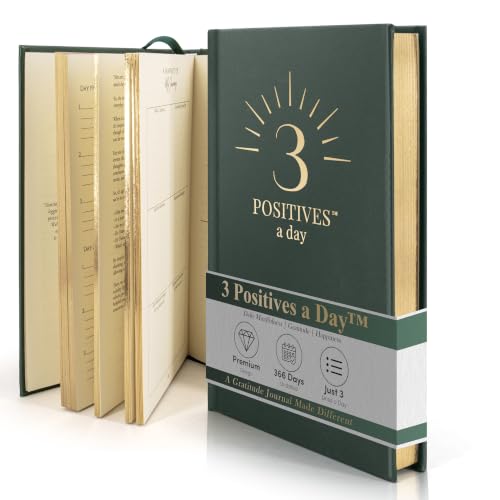
🧠 BASED ON SCIENCE: Rooted in psychological research, this gratitude journal invites you to collect 3 positives a day - a simple practice shown to increase happiness, reduce depressive symptoms, and support emotional well-being.

Cultivates Gratitude and Mindfulness - Journaling allows you to appreciate your life more for at least 5 minutes a day. The 5 Minute Journal for women and men is specially crafted for positive manifestation and improved confidence as you get on with your day.
Key Details to Track in Your Situational Reports

Staying on top of our community’s situation can feel daunting, right? But tracking key details can really make a difference. Let’s break down how we can get a handle on this.
- Key developments: Keep an eye out for recent incidents or changes in our area. A quick summary of what’s happening can help us stay informed.
- Community engagement dynamics: Watch for shifts in leadership or the rise of new grassroots movements. Identifying these can reveal potential allies or risks.
- Local power structures: Document how these evolve. Changes in who’s in control can directly affect our strategies and actions.
- External factors: Pay attention to economic or environmental conditions. These influences can shape the challenges we face daily.
- Daily discipline: Make this tracking a habit. Regular updates will sharpen our response skills, making us quicker to act when needed.
Maintaining accuracy and reliability in your reports is essential, akin to the importance of regular inspection and maintenance in safety equipment.
Recommended Products

Durable Field Notes 3 spiral-bound notebooks (70 sheets/140 pages) with 1.5mm reinforced backing plates for stable writing in rugged environments. Ultra-Portable...
Spotting Emerging Threats With Your Situational Reports
Spotting emerging threats can feel overwhelming, right? It’s crucial for us to stay ahead of potential issues before they snowball into something serious. The secret lies in being proactive and vigilant.
To effectively build your Situational Reports, consider these strategies:
- Track Trends Daily: Gather information from local news, community sources, and direct reports every single day. This helps you spot shifts in the social, political, or environmental arenas.
- Use a Mix of Data: Don’t just look at numbers. Sure, crime rates and policy shifts are important, but you also need to hear the community’s voice. Feeling the pulse of public sentiment gives you deeper insights.
- Maintain Regular Updates: Set a routine for updating your data. Checking in frequently allows you to catch any unusual patterns or warning signs early.
In emergency situations, having a well-prepared heat reflective poncho can improve safety and provide critical warmth during unexpected weather changes.
Integrating Situational Reports Into Resistance Planning
Building a habit of creating Situational Reports, or SitReps, isn’t just a good idea; it’s crucial for our resistance planning. Think of it this way: without real-time assessments, we’re sailing blind. Using SitReps lets us evaluate current conditions on the fly and adjust our actions accordingly.
Why is this important? Here are a few reasons to consider:
- Stay adaptable: By regularly updating SitReps, we can devise adaptive strategies. This means we can quickly shift our focus based on what’s working or what new challenges pop up.
- Smart resource allocation: Dedicating just five minutes a day to updating our SitReps helps ensure that personnel and materials are directed where they’re needed most. It’s all about maximizing efficiency.
- Enhance team communication: Incorporating threat assessments and key observations into our planning meetings keeps everyone on the same page. This readiness is key when responding to unexpected situations.
When we allow SitReps to guide our resistance planning, everything becomes more coordinated and efficient. The answer lies in staying ready and resilient as obstacles change and challenges arise. Maintaining a clear vision through anti-fog measures can similarly improve the clarity and effectiveness of our situational updates.
Recommended Products

DESIGNED FOR NURSES BY NURSES: The Medical Basics nurse report sheet is perfect for nursing students, RNs, and nurse practitioners.

Perfect for clinical rotations, nursing school, and everyday practice, this Nursing Report Sheets Notebook is a must-have nursing notepad that caters to the needs of nursing professionals. This nursing notebook is a nursing essential!!

CREATED BY TOP NURSES: Our ProNurse Shift Report Notebook was thoughtfully designed by top nurses at the Cleveland Clinic to make your shift easier and more organized. The ProNUrse notebook is perfect for nursing students, RNs, and nurse practitioners training for hospital care.
How to Keep Your Situational Report Habit Going
Many of us start strong with our goals but struggle to keep that momentum going. So, how do we keep our Situational Report habit alive when motivation dips? It’s all about building routines and creating systems that make it easier.
First off, set a specific time each day to work on your report. Consistency is key. When you turn this into a daily ritual, it becomes a part of your routine. Using templates or checklists can simplify the process as well. Instead of staring at a blank page, you’ll have a clear path to cover your progress, challenges, and next steps. This method is a real time-saver.
Accountability is also important. Consider setting up reminders to keep you on track. You might share your reports with a friend or a group, creating a support system that pushes you to stick with it. This mutual accountability helps keep the habit going, even when the motivation isn’t there.
Don’t forget to review your reports regularly. This is where you can spot trends and figure out what’s working and what’s not. By tweaking your approach based on these insights, you’ll ensure your reports continue to add value to your routine.
Additionally, just as choosing the right holder protects your safety glasses, having a durable and versatile system in place protects your habit from breaking down.
Stay committed, and you’ll find that maintaining your Situational Report habit not only becomes easier but also truly beneficial. So, let’s keep that momentum rolling!
Recommended Products

Digital Display – Centralized touchscreen that simplifies organization for busy families. Create unique profiles for everyone in your home, utilize kid-friendly icons, create routines and streaks to gamify tasks and build consistent habits.

❈[24" Digital Calendar & Family Planner for Total Home Coordination] This large digital calendar is the ultimate digital wall calendar and family planner for busy households. Manage events, goals, and routines with shared access, color-coded scheduling, and a Family Chore Tracker—perfect for both kids and adults. Ideal for home organization, Team Activity Archive, and effortless Time Management in any family setting.

Smartwatch with a bright, colorful display, stainless steel design, and built-in flashlight; up to 12 days of battery life gives a more complete picture of your health
Frequently Asked Questions
What Tools Are Best for Compiling Daily Situational Reports?
We find reporting tools like Tableau and Microsoft Power BI boost data visualization, enhancing understanding by 65%. Tools like Slack and Trello improve team collaboration, making daily situational reports clearer and quicker for everyone.
Can Situational Reports Be Shared Securely Within a Team?
Yes, we can guarantee secure sharing of situational reports by using encrypted communication tools. This helps maintain team confidentiality, allowing us to collaborate effectively while protecting sensitive information from unauthorized access at all times.
How Do Situational Reports Differ From Regular Journaling?
Situational reports differ from regular journaling by focusing on contextual awareness, presenting data clearly, and providing objective evaluation. Together, we aim to create concise updates that inform decisions, unlike personal reflections found in journaling.
Is a 5-Minute Report Sufficient for Complex Environments?
It is understood 5 minutes might seem too brief for complex environments, but concise reports boost communication clarity, enhancing decision making efficiency. This quick routine improves report effectiveness by focusing on key updates without overwhelming details.
Can Situational Reports Be Adapted for Personal Development?
Yes, we can adapt situational reports for personal development by using them for goal tracking, personal reflection, and habit formation. These quick updates help us stay aware and adjust our progress effectively every day.


