As an Amazon Associate, we earn from qualifying purchases. Some links on this site are affiliate links at no extra cost to you. Our recommendations are based on thorough research and editorial judgment.


Cash, Cards, and Payments During Outages: Planning for “No Network” Days

When the network goes down, the chaos can feel overwhelming. Imagine busy customers, cartfuls of goodies, and no way to process their payments. To keep the sales flowing, we rely on offline card payments and cash, but there are important steps to follow.
You may be interested


First, we set strict limits on offline transactions, usually around $200. This keeps potential losses in check. Here’s a quick rundown of what we need to do:
- Use EMV-capable terminals that are set up for secure offline approvals.
- Train staff on transaction limits so they know the ropes when things go sideways.
- Keep detailed records of all transactions for easy reconciliation later.
- Maintain a cash reserve so we’re never left hanging.
- Have backup communication tools handy—this is a must!
You might wonder why all this preparation is necessary. The truth is, having these systems in place makes a huge difference during outages. It allows us to keep the business running smoothly, even when the technology fails us.
In the end, it’s all about being proactive. By putting these strategies in place, we ensure our customers can still shop, and we can keep our revenue flowing.
So, don’t wait for the next outage to figure things out. Start prepping today!
Key Takeaways
- Equip payment terminals to handle secure offline EMV transactions with strict transaction limits for continued card payments during network outages.
- Maintain a cash reserve as a backup payment method when electronic card processing is unavailable.
- Train staff thoroughly on offline payment procedures, transaction limits, and emergency communication protocols.
- Keep detailed records of offline transactions to manage potential disputes and chargebacks post-outage.
- Inform customers proactively about possible payment delays and provide alternative payment options during network failures.
What Happens When Your Network Goes Down

When your network goes down, it can feel like you’ve hit a brick wall. Suddenly, payment processing isn’t seamless anymore. Instead, you’re thrown into offline mode, which lets you keep processing transactions without getting real-time approval from the card issuer. Yeah, it sounds convenient, but there are strings attached.
During these outages, payment terminals will switch to accepting offline payments. This means you can still take card transactions, but there are tight limits on how much can be charged and how many transactions you’ll be able to process. Here’s the catch: when you use this offline feature, you’re on the hook if cards don’t go through after the fact.
So, what can you do to stay afloat? Here’s a list of tips:
- Understand the limits: Know the maximum amount and number of transactions you can process when offline.
- Risk management: Make sure your payment terminals can handle secure offline EMV chip transactions.
- Track everything: Keep a close eye on all transactions done while your network is down.
- Have backups: Establish backup procedures to avoid headaches for both you and your customers.
Keeping your business running smoothly during outages doesn’t have to be a daunting task. With the right precautions, you can minimize errors and customer dissatisfaction. It’s also wise to keep essential supplies and backups prepared, much like a well-stocked emergency preparedness kit, to ensure continued operation through unexpected disruptions.
In short, embracing offline payment processing can keep the money flowing even when connectivity doesn’t. Be prepared, stay informed, and you’ll handle those hiccups like a pro!
How Offline Card and Cash Payments Work During Network Outages
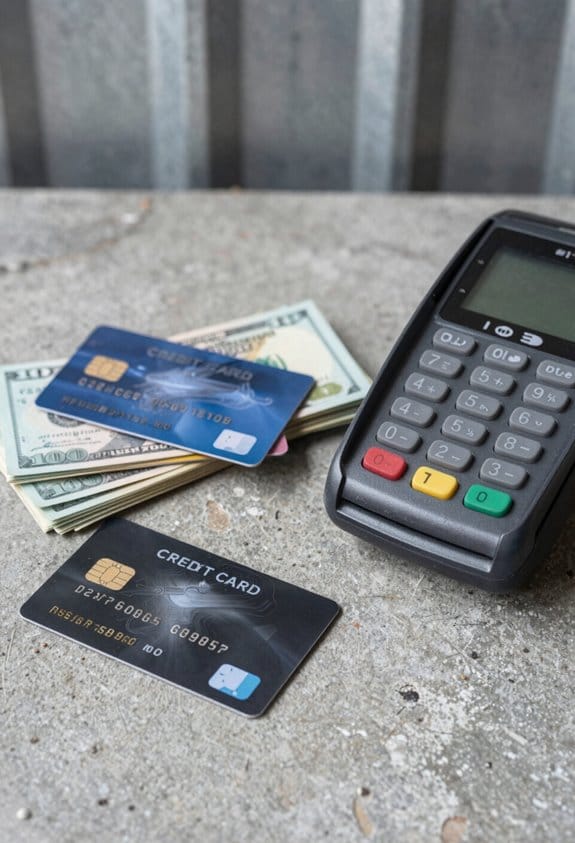
When the network goes down, it feels like the world stops spinning. For businesses, this can create a major headache, especially when it comes to processing payments. But don’t fret; you can still make things work smoothly, even in these tough situations.
So, how do offline card payments actually work? There are some essential steps to follow:
- Limit transactions. With Visa, you’re capped at $200, while Mastercard has a limit of €200 in select areas.
- Record everything. Since there’s no network, you can’t pre-authorize these card payments, which means they’ll have to wait in line for approval later. You’ll need to keep a detailed log to handle potential declines or disputes down the road.
- Have cash ready. When card transactions stall, cash is your best buddy. Keeping a cash reserve ensures you can keep serving your customers without hitch.
Let’s be real—making offline transactions work requires diligence, but it’s doable. By following the right protocols, you can minimize risks and maintain customer satisfaction even when technology falters. Stay sharp, keep your logs straight, and you’ll navigate through network outages like a pro. Having the right safety and comfort standards in workplace equipment similarly helps maintain smooth operations under challenging conditions.
Setting Up Offline Payment Systems for Your Business
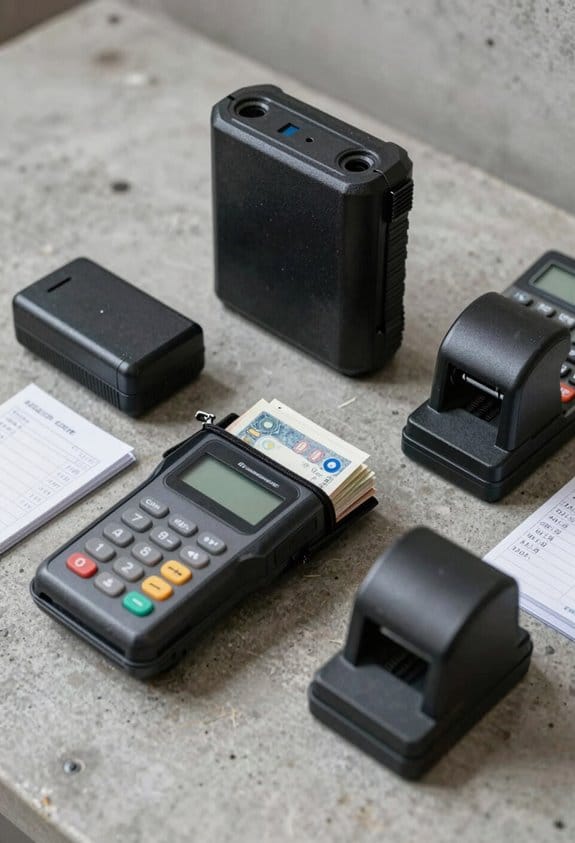
Picture this: your business is booming, customers are lining up, and suddenly, your payment system goes down. It’s a nightmare. That’s why setting up an offline payment system is a must. Not only does it keep your business running smoothly, but it also protects your customers.
First off, let’s talk about limits. Keep those transaction amounts under control. For instance, capping EMV chip offline approvals at £40 can significantly cut down on payment declines. You want to strike a balance—allow enough for purchases but stay within safe boundaries.
Next, invest in modern terminals. These devices are specifically designed for secure offline transactions. They allow you to process payments that seamlessly queue up for when you regain connectivity. No more lost sales, just smooth transitions.
Training your team is crucial, too. They need to know how to handle offline transactions correctly and recognize when they’ve hit those limits. Consider these steps:
- Establish clear transaction limits
- Use secure, modern payment terminals
- Train staff on offline procedures
- Regularly review and update your systems
You might wonder, “How often should I check?” Make it a routine. Keeping your offline system sharp not only acts as a safety net but also protects your finances when things go awry.
Ensuring compliance with safety standards in your payment devices can further safeguard your business during outages.
At the end of the day, building this resilience goes a long way in earning your customers’ trust. Smart planning today means fewer headaches tomorrow. Ready to tackle this? You’ve got this!
Managing Risks When Accepting Offline Payments
Accepting offline payments can feel like a bit of a gamble. When a transaction gets declined, guess who takes the hit? Yep, us merchants. That’s why managing these risks is crucial to keeping our operations running smoothly.
So how do we protect ourselves? First off, set strict transaction limits. This helps control losses when card schemes delay authorizations. Next, always verify cardholder details. A little extra care here can save us from dealing with declined or disputed payments. Since payments aren’t confirmed in real time, especially during outages, this step is a must.
Let’s talk training. Ensuring staff are knowledgeable about these limitations keeps offline transactions and any queued payments moving along without a hitch. Plus, it’s wise to check with our service provider about the specific rules for EMV chip transactions when processed offline.
Oh, and if you’re using QR codes, make sure customers are aware that their payments might not process right away. Clear communication can go a long way.
In short, being proactive about these risks not only protects our revenue but also helps maintain trust with our customers. Embrace these strategies, and you’ll weather any network disruption with confidence. Remember that monitoring battery life and charging options is essential to keep payment devices operational during outages.
Tools That Help You Accept Payments Offline
When your payment system goes down, it can feel like the walls are closing in. Every minute lost is a potential sale slipping away. That’s why it’s crucial to have the right tools in place for accepting offline payments. Payment terminals designed for offline processing are a lifesaver. They can securely handle EMV chip transactions even when you’re not connected to the internet.
Here’s why that matters: these devices can authenticate and store payments for later processing. Imagine being able to queue transactions so you don’t miss out on sales when your service is disrupted. Just be smart about it and keep your transaction limits below the maximum thresholds set by networks like Visa and Mastercard. Each payment method has its own limits, and keeping track of them helps reduce declines and manage risk effectively.
When you equip your business with terminals that have offline capabilities, you’re setting yourself up for smooth operations, no matter what happens. No more worrying about outages leading to lost revenue. Focus on finding terminals that follow card scheme guidelines and prioritize those offline features.
In the end, it all comes down to being prepared. Keep your business running strong by accepting payments even in tough situations, and you’ll create a reliable experience for your customers. Don’t let outages hold you back. For added security, consider having backup communication devices like emergency beacons to help maintain operations and ensure safety during unexpected outages.
Frequently Asked Questions
Are Credit Cards Good for Emergencies?
We believe credit cards are great emergency payment methods thanks to credit card rewards and cash alternatives they offer. Just remember credit card limits might restrict emergency use, so keeping cash handy covers unexpected expenses effectively.
Is a Debit Card Good for Emergency Situations?
We value debit card benefits, understand transaction limits, prepare backup payment methods, and keep emergency cash handy. Together, we guarantee financial security by balancing convenience, accessibility, and preparation tips, making debit cards a smart choice for emergencies.


