As an Amazon Associate, we earn from qualifying purchases. Some links on this site are affiliate links at no extra cost to you. Our recommendations are based on thorough research and editorial judgment.


Caring for Seniors in Urban Emergencies: Mobility, Meds, and Routines

Urban emergencies can be overwhelming, especially for our seniors. Imagine being faced with an unexpected evasion and having to scramble through obstacles or hunt for a mobility aid that isn’t even functional. It’s stressful, and that’s why we need to be proactive.
You may be interested


Start by ensuring that evacuation routes are obvious and free from clutter. It’s not just about getting from point A to B; accessibility is critical. Ensure seniors have reliable mobility aids in great shape.
Next, focusing on medications is paramount. Keep at least a two-week stash of their prescriptions on hand. Organize their medication lists — include dosages and any known allergies. Store everything in waterproof bags. This isn’t just practical; it’s essential.
Now, let’s talk about the evacuation plan. This blueprint should cover:
- Reliable transportation options.
- Accessible shelters nearby.
- A strategy for communication.
Let’s be real: no one wants to add confusion to an already chaotic situation. Build a network of support with caregivers and healthcare providers. Keep those lines of communication open.
Regularly practicing routines can pave the way for smoother execution when it counts the most.
Taking these steps helps secure the well-being of our seniors during urban emergencies. A little preparation goes a long way and boosts the overall readiness of our communities.
Let’s take charge and ensure they feel safe and prepared.
Key Takeaways
- Develop clear evacuation routes and ensure mobility aids are accessible and in good condition for seniors during emergencies.
- Prepare a two-week supply of medications, maintaining an updated list of prescriptions and medical device needs.
- Establish reliable transportation options and support networks to assist seniors with mobility and medical requirements.
- Create personalized emergency plans including accessible shelters, communication with caregivers, and routine evacuation practice.
- Maintain home safety by removing hazards, ensuring mental health support, and organizing emergency supplies tailored to seniors’ needs.
Why Mobility Challenges Matter for Seniors in Urban Emergencies
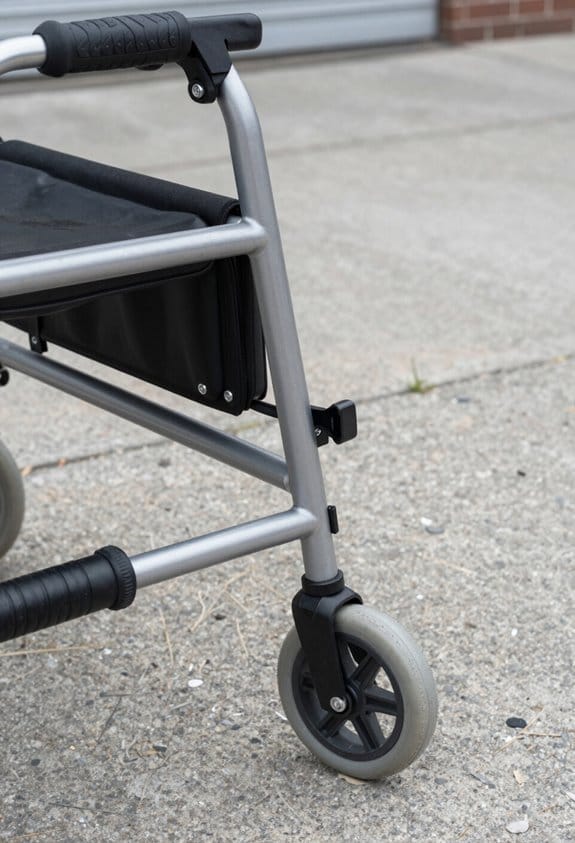
Seniors face unique mobility challenges during urban emergencies, and that’s something we need to seriously consider. Picture this: a sudden evacuation order, streets crowded, and public transport out of reach. For many older adults, moving quickly becomes nearly impossible. It’s a real concern that we can’t ignore.
So, how can we prepare? Here are some key steps:
- Identify Clear Evacuation Routes: Make sure there are paths that are free of obstacles. Trust me, knowing where to go is crucial when time is limited.
- Secure Mobility Aids: Wheelchairs, walkers, and canes should be ready to go. Everything needs to be in good condition and accessible.
- Arrange for Assistance: Don’t assume everyone can evacuate alone. Setting up a support system is essential.
- Communicate Plans: Share evacuation strategies with seniors and emergency responders. Everyone should be on the same page to avoid confusions during critical moments.
Consider using rolling bug out bags designed for easy transport to help seniors carry essential supplies with minimal strain during evacuation.
Now, let’s be real. These steps might require a little extra effort upfront, but that effort pays off when it counts. By proactively addressing these mobility issues, we not only enhance safety, but we give seniors the confidence to evacuate without fear or delay. It’s about making their lives a little easier in emergency scenarios.
As we move forward, let’s remember: planning today means fewer worries tomorrow. Keep our seniors safe—because they deserve it.
Planning Medication and Supplies for Senior Emergencies

When emergencies strike, the last thing we want is for our loved ones, especially seniors, to feel unprepared. Think about this: how would you feel if someone you cared about had a health issue during a crisis simply because their medication was out of reach? It’s time to take action and ensure they’re ready for anything.
Start by keeping a two-week supply of all medications on hand. This avoids potential health hiccups when life gets chaotic. Create a clear list that includes:
- Prescription names
- Dosages
- Allergies or reactions
Having this information at a moment’s notice can make all the difference when urgent care is needed.
Don’t forget about medical devices; make sure to include any essential items like nebulizers or oxygen equipment. If these devices require power, consider a backup source. All these items should be stored in a waterproof bag, alongside hard copies of that health information we just talked about.
Regularly checking and restocking your emergency kit is also key. Think about including essential items like:
- Non-perishable food
- Toiletries
- Extra medical supplies
In particular, having emergency food supplies that have a long shelf life and require minimal preparation can help ensure proper nutrition when access to fresh food is limited.
Developing an Evacuation Plan for Seniors in Urban Settings

Evacuating can be stressful, especially for seniors living in urban areas. With so much going on, it’s easy to overlook their unique needs. It’s important to have a solid plan in place. Here’s how to make sure that, when emergencies hit, our older loved ones are ready to move safely and confidently.
First off, let’s talk about medical resources. Keep a list of nearby pharmacies and healthcare facilities. This ensures quick access to medications they might need during a crisis. It’s amazing how many don’t realize how vital this is until it’s too late.
Next, think about building a support network. Connect with family members, trusted neighbors, and friends. These folks can lend a hand when it counts most. Sharing information about where to go and what to do helps everyone stay calm in the chaos.
Transportation needs also deserve attention. Check with local agencies that offer senior-friendly transit services. If public transport isn’t an option, explore private alternatives. Having a backup plan ensures that those without cars won’t feel stranded.
Additionally, preparing for safe access to clean water, such as by using portable water filtration, is crucial during urban emergencies.
Lastly, regular practice makes all the difference. Go through the evacuation steps with seniors frequently. It might feel repetitive, but the more familiar they are with the process, the less confusion there will be during emergencies. Confidence grows with practice!
In short, preparing an evacuation plan for seniors in urban settings involves thinking ahead and acting thoughtfully. When we take these steps, we pave the way for safety and peace of mind. Let’s keep our seniors prepared and empowered!
Overcoming Mobility Barriers to Evacuation and Sheltering
When disaster strikes, the last thing we want is for our older loved ones to feel stranded. Many seniors face mobility barriers that can hinder their ability to evacuate safely and quickly. If you’ve ever watched a loved one struggle with a wheelchair or other mobility aid in a chaotic situation, you know how critical it is to prepare.
Here’s what you can do to ensure a smoother evacuation process:
- Plan Ahead: Create a detailed evacuation plan that accounts for any physical impairments. This should include identifying accessible routes that are clear and safe for seniors with mobility aids.
- Transportation Options: Make sure there are reliable transportation methods that can accommodate things like wheelchairs or scooters. Having these options lined up can make a huge difference in an emergency.
- Community Support: Build a network of neighbors and community resources who are willing to step in and offer help. Knowing that someone can assist during a crisis can be a gigantic relief.
- Accessibility of Shelters: Before an emergency occurs, confirm that potential shelters are equipped to handle mobility challenges. This reduces the stress and confusion when finding a safe space.
Additionally, having access to portable emergency toilets can greatly improve hygiene and comfort for seniors with limited mobility during evacuation or sheltering.
Taking these steps isn’t just about having a plan; it’s about ensuring that our seniors feel supported and safe during emergencies. Planning for mobility needs and integrating community support is a smart way to enhance the safety and efficiency of evacuations.
Stay proactive. Equip yourself and your loved ones with the right tools and plans to navigate emergencies effectively. It’s all about looking out for one another when it matters most.
Working With Caregivers and Healthcare Providers During Emergencies
When emergencies hit, the last thing you want to worry about is whether your loved one will get the care they need. Communication and collaboration are your best friends in these tough times. Here’s what I’ve learned from personal experiences that can make all the difference.
First, keep those lines of communication open. Talk regularly with caregivers. Understanding a senior’s medical needs and mobility issues is crucial. You don’t want to be scrambling for that information when a crisis occurs.
Create a personalized emergency contact list. Include all healthcare providers, pharmacists, and anyone else involved in the senior’s care. This list will be your go-to during an emergency, ensuring quick access to vital medical support and prescriptions.
It’s also important to collaborate with healthcare teams. Do this ahead of time to spot any potential mobility challenges. Develop safe evacuation strategies together. Regular check-ins with caregivers and healthcare providers help you stay updated on health conditions and refine your emergency plans.
Involve medical professionals in planning. They can help you establish backup care locations and make sure prescription refills are accessible even if regular services aren’t available. Additionally, consider incorporating emergency evacuation bags tailored for seniors’ specific needs to ensure essential items like medications and documents are secure and easily accessible during an emergency.
Preparing Safe Shelter and Resources for Seniors at Home
Establishing a comfortable and safe home for seniors is crucial. After coordinating care with healthcare providers, the next big step is creating a supportive environment that minimizes risks. Think about it: our aging loved ones need a space where they feel secure and confident.
To get started, gather emergency supplies that meet their specific needs. This should include a Chronic Condition Emergency Kit packed with at least a week’s worth of medications, any necessary medical devices, and all relevant health information. Quick access to these supplies can make a real difference during a crisis.
Safety in the home is vital. Take a good look around and make sure there are no hazards. Here are some easy ways to enhance safety:
- Install non-slip mats in slippery areas.
- Ensure frequently used items are stored on easy-access shelves to avoid reaching or stretching.
- Consider removing clutter that could lead to falls.
Let’s talk about emergency preparedness. It’s essential to create a straightforward plan that meshes well with their daily life. Include routines for meals and medication to help reduce confusion during emergencies. Keep things simple; everyone will feel calmer that way.
Don’t forget the power of a personalized emergency contact list. Place it somewhere visible, perhaps on the fridge. This list should include:
- Family members
- Caregivers
- Neighbors
- Local health services
Regularly practicing evacuation and shelter-in-place procedures is a smart move. It not only builds familiarity but also instills confidence in your seniors when it comes to handling urban emergencies.
At the end of the day, the aim is to enhance safety and peace of mind at home. With a little effort upfront, we can make sure our loved ones feel protected and ready for anything that comes their way. Additionally, during power outages, using safe portable propane heaters can provide essential warmth while ensuring proper ventilation and safety for seniors indoors.
Getting Help and Staying Connected When Mobility Is Limited
Limited mobility can really throw a wrench in things for seniors, especially when emergencies arise. I’ve seen too many instances where a simple call for help turned into a marathon of complications due to logistics. So, we need to step up and create systems that allow seniors to access assistance quickly and easily.
Start by building a strong support network. Family, friends, and local caregivers can make a world of difference. They should check in regularly—whether through phone calls or even video chats. It’s comforting to know someone is looking out for you.
Next, tap into community resources. Local volunteer groups are fantastic for delivering medications and supplies. When leaving the house feels like a mountain to climb, these organizations become lifelines.
Don’t overlook the importance of regular wellness visits. It’s essential! These visits can catch any changes in health that may need immediate attention.
Also, make sure seniors have an easy-to-follow plan for reaching out for help. This plan should include accessible contacts and backup options. The last thing anyone wants is to be stuck in a tough spot without a clear route to assistance.
Staying connected and having a safety system in place is vital. With a bit of preparation, we can keep our loved ones safe and supported. So, let’s do this together!
In addition, including emergency food rations with long shelf lives in preparedness plans ensures seniors have reliable nutrition during crises.
Supporting Senior Mental Health During Urban Emergencies
Urban emergencies can turn life upside down for anyone, but for seniors, the impact is often profound. Increased isolation and anxiety can creep in, especially when mobility and sensory abilities decline. It’s crucial to keep an eye on our elderly loved ones and ensure they feel supported and connected.
Regular check-ins can make a world of difference. Try committing to phone calls or visits to chat and lend an ear. Feeling heard can reduce anxiety and help ease loneliness.
Consider incorporating gentle indoor activities or hobbies into their routine. Simple things like puzzles, coloring, or even listening to music can spark joy and provide much-needed mental stimulation.
Access to food and medication remains vital. Always ensure they have enough supplies on hand. It’s a simple step that can help keep stress at bay by maintaining their daily routines.
Don’t underestimate the value of proactive wellness visits. Regular check-ins by caregivers can help catch any changes in mental or physical health early on. This way, adjustments can be made promptly, allowing for better support.
Additionally, keeping a well-organized first aid kit nearby can be crucial for managing minor injuries quickly during emergencies.
Frequently Asked Questions
How Can Technology Assist Seniors During Urban Emergencies?
We can rely on telehealth services for quick medical advice, emergency alert systems to notify help instantly, and wearable devices that monitor health continuously. These technologies keep seniors safer and connected during urban emergencies with ease.
What Dietary Considerations Are Crucial for Seniors in Emergency Shelters?
It is understood seniors’ nutritional needs must guide emergency shelter meals, avoiding common food allergies and ensuring hydration balance. Let’s prioritize easy-to-digest options and constant water access so everyone stays healthy during tough times.
How Do Urban Air Quality Issues Impact Seniors During Emergencies?
Air quality aggravates aging airways, amplifying adverse health effects for seniors. We must weave wise emergency planning with monitoring measures, ensuring safety and stability. Together, we’ll tackle troubles and protect our community’s most vulnerable during crises.
What Financial Resources Aid Seniors in Emergency Preparedness?
We can help seniors by exploring emergency funds, insurance options, and government assistance programs together. These financial resources give us peace of mind, ensuring we’re prepared and can manage unexpected costs during emergencies effectively.
How Can Community Volunteers Best Support Seniors in Urban Crises?
Like modern-day Good Samaritans, we can support seniors through neighbor outreach, providing transportation solutions, and fostering mental health. By staying connected and proactive, we’ll help them navigate urban crises with dignity and care.


