As an Amazon Associate, we earn from qualifying purchases. Some links on this site are affiliate links at no extra cost to you. Our recommendations are based on thorough research and editorial judgment.


The Most Common Urban Prepping Mistakes (and How to Avoid Them)

Many people think that just stockpiling supplies is enough for urban prepping, but that’s a big misconception. Gear alone won’t save you. You need skills too—first aid, fire building, and knowing how to communicate without your phone.
You may be interested


Instead of keeping this knowledge to yourself, involve your family. Teach them the basics of survival, set up emergency plans, and store important documents safely in waterproof boxes.
When it comes to bug-out bags, less is more. Overpacking is tempting, but it can weigh you down. Focus on the essentials, rotate your supplies regularly, and hide caches in different spots to lower the chances of theft.
You never know what could happen, so staying organized and proactive is key to being ready for anything.
Avoiding these common mistakes can really boost your urban emergency plans. Keep it simple, keep it smart, and make sure your whole family is on board.
After all, being prepared isn’t just about gear—it’s about knowledge and teamwork. Let’s take this journey seriously and get ready for whatever comes our way.
Key Takeaways
- Relying solely on gear without emergency skills reduces preparedness; practice first aid, fire-building, and communication regularly.
- Overloaded bug-out bags hinder mobility; prioritize essentials and distribute supplies across secure, discreet locations.
- Neglecting family involvement causes confusion; conduct regular meetings, role-play scenarios, and teach survival skills to all members.
- Poor document organization delays evacuation; store vital papers in fireproof, waterproof cases and keep digital backups accessible.
- Failing to maintain and rotate supplies leads to expired items; track inventory closely and avoid unnecessary duplicates.
Why Stocking Supplies Alone Isn’t Enough for Urban Prepping
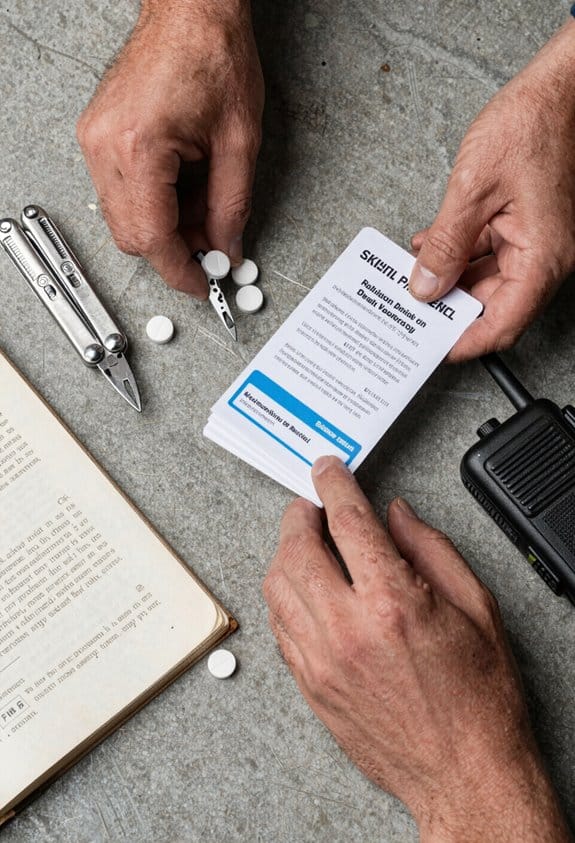
Having a stockpile of emergency supplies is crucial for urban prepping, but let’s face it: that alone won’t cut it when disaster strikes. Imagine relying solely on canned goods and flashlights in a moment of panic. You need practical skills to go along with that gear; otherwise, it’s just stuff taking up space.
So, what can you do? Here’s a quick list:
- Learn survival skills: Get hands-on and practice using things like water filters and first-aid kits. Knowing how to actually use these items can make all the difference.
- Develop communication plans: Think beyond your smartphone. Have alternatives ready, such as two-way radios, because when the power goes out, your devices might go silent too.
- Plan your routes: Urban areas can turn into chaotic zones during an evacuation. Scout alternative paths that aren’t prone to heavy traffic.
- Connect with your neighbors: Building a community network can help share resources and information when things get tough. It’s about having each other’s backs.
Including knowledge about portable water purifiers can ensure access to safe drinking water when regular supplies are compromised.
Mixing well-maintained gear with survival know-how and solid communication plans will boost your chances of navigating emergencies more effectively. When it comes to urban prepping, there’s more to it than just stocking up; it’s about being prepared physically and mentally. Stay proactive and get ready!
Recommended Products
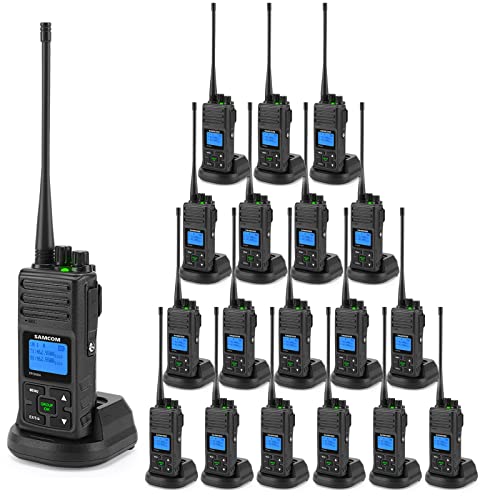
【High-Grade & Heavy-Duty 】 Built to survive the harshest conditions, with a rugged, sturdy shell perfect for demanding environments like construction, airports, subways, transportation, parking and industry. Reliable and easy to operate in any situation.

Professional & Building-Wide Coverage - SAMCOM 2 way radios with strong signal penetrates concrete walls and interiors, ensuring reliable communication for commercial and industrial use.

【3000mAh Extended Battery & 24/7 Reliability】High-performance rechargeable battery provides 7-day standby time and 24+ hours continuous use. Ideal for security teams, event staff, and construction crews needing all-day communication without frequent charging
How Neglecting Skills Undermines Your Emergency Preparedness
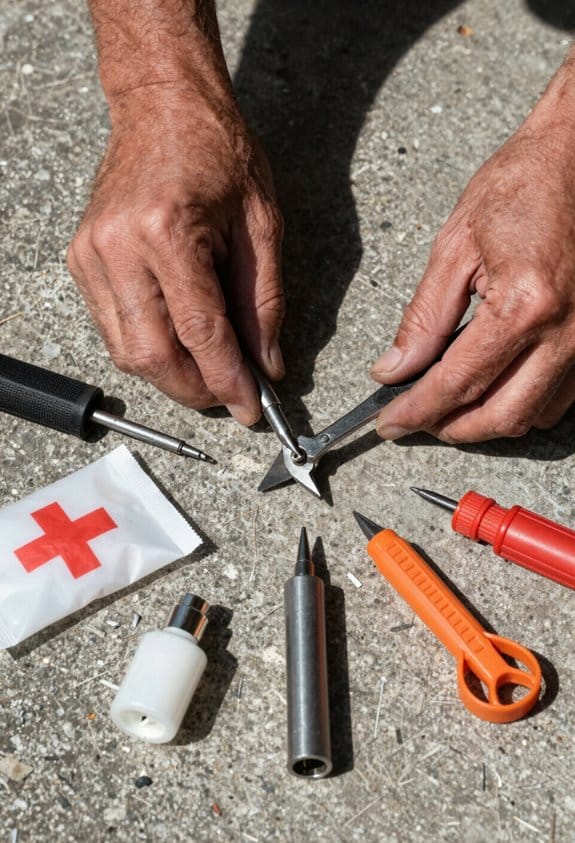
When it comes to being prepared for emergencies, many people focus solely on gear. And sure, having the right tools is vital. But let’s be honest: if you don’t know how to use them, or worse, if they fail, you’ll find yourself in a tough spot. I’ve seen it happen.
Practicing crucial survival skills is just as important as having your backpack stocked with essential items. Think about it. Here are a few skills you should consider honing:
- First Aid: Knowing how to treat wounds, perform CPR, or manage shock could save a life.
- Fire Building: It’s not just about warmth; you need fire for cooking and signaling for help.
- Cooking with Stored Food: Get familiar with meal prep from your bug-out bag.
Why leave everything to chance? If your gear goes missing or breaks, what will you do? Regularly practicing these skills can build your confidence and prepare you for high-pressure situations.
Community training is also an excellent way to expand your knowledge. You might share tips, practice scenarios, and learn from others. This strengthens not just your own skills but your community’s readiness too. We’re all in this together.
When faced with an emergency, I want to be able to rely on my abilities, not just my equipment. Mastering practical skills means you can meet your basic needs safely. Let’s reminisce for a moment: think of that sense of accomplishment you feel after learning a new skill.
In the end, don’t stack your emergency plans on gear alone. Mix them with solid, practiced survival skills. That’s the secret to staying resilient when it counts. Embrace both—the tools and the know-how—and you’ll be ready for whatever comes your way. For ongoing safety, always remember to inspect your gear regularly and ensure it meets safety standards to avoid unexpected failures.
Getting Your Family Involved in Urban Emergency Plans
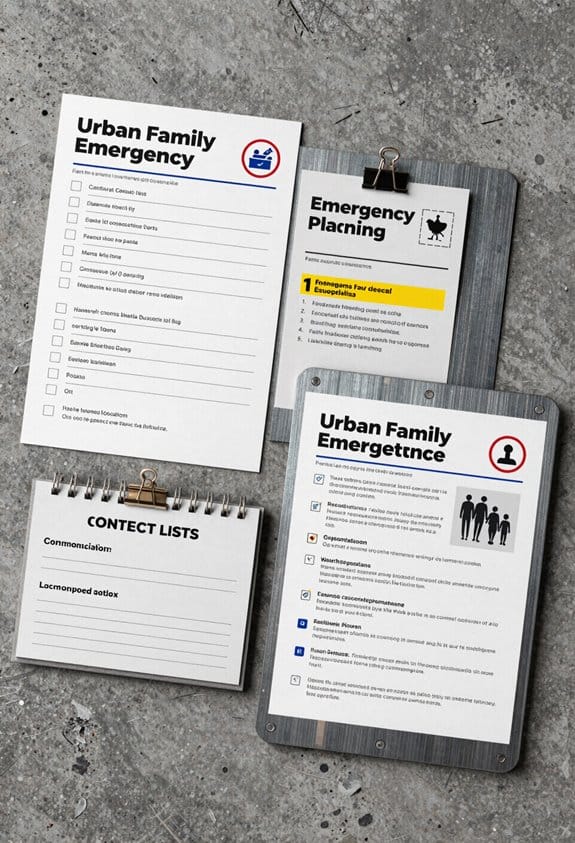
When an emergency strikes, chaos can set in faster than you think. That’s why it’s crucial to get your whole family involved in urban emergency plans. Everyone needs to know where the survival kit, first aid supplies, and drinking water are kept. It’s also essential for everyone to grasp where your bug-out location is just in case things get serious.
Here’s how to make sure your family is prepared:
- Location Awareness: Make sure each family member knows where key supplies are stored.
- Regular Check-ins: Conduct family meetings to review food and water stock. This encourages discussion about backup plans as well.
- Skill Building: Teach your kids basic survival skills—think simple things like how to use a map or tie knots. Kids can learn a lot from survival books and practice drills.
- Role Play Scenarios: Get everyone involved in practicing different emergency scenarios. This helps clarify roles and reduces panic when things go wrong.
Truth is, knowing what to do can make a world of difference. If one family member can’t step up when needed, others should know how to fill that gap. This shared understanding helps minimize the chaos and boosts our ability to respond effectively when emergencies happen. It’s also important to keep your emergency bags well-organized and accessible so everyone can quickly find essential supplies when needed.
In the end, preparing your family for emergencies isn’t just about the supplies—it’s about teamwork and having each other’s backs. So, take some time to plan together and build that confidence. You’ve got this!
Recommended Products

FAMILY FOOD STOCKPILE:- The NuManna Family Pack serves as the backbone of any Family Food Stockpile. It is a great source of delicious nutrition on its own and pairs well with other food stores. At NuManna, we take pride in creating food that is not only nutritious but also enjoyable enough to eat every day. With a 25+ year shelf life, this Family Food Stockpile will be ready when you need it, ensuring long-term security for your family.

OFF-GRID HYBRID POWER: 7.6kW Continuous, scales to 22.8kW. 10kW Turbo Output, scales to 30kW Turbo with triple units.

Enlarged Capacity From 3.84kWh: Anker SOLIX F3800 has 3.84kWh to power your family's needs for one day. If that's not enough, add up to 6 battery packs to expand capacity to 26.9kWh. For extreme situations, add another Anker SOLIX F3800 and 12 battery packs for enough power for two weeks.
The Risks of Relying Solely on Survival Kits and Gear
Getting everyone on board with your emergency plans is crucial, but let’s chat about why survival kits and gear shouldn’t be your only focus. These kits may seem like a safety net, but often, they cover just short-term needs. For example, you might have a few snacks, but what about batteries for that critical flashlight or enough food to last through a longer crisis? Relying solely on these kits can create a dangerous false sense of security.
You might wonder why that’s a big deal. Here’s the truth: knowing how to use your gear is just as important as having it. Regularly reviewing and practicing with your supplies boosts your confidence and ensures you can operate everything effectively when the pressure’s on. Consider these tips:
- Familiarize yourself with each item in your kit. Don’t just store it away.
- Practice scenarios. Pretend there’s a power outage or a weather emergency. How will you use your gear?
- Avoid common prepping mistakes. Don’t stop at kits. Invest time in training and acquire extra essential supplies beyond what you currently have.
This balanced approach enhances your readiness, going far beyond just the tools in your survival kits. Equip yourself with knowledge and skills alongside your gear. It’s about preparing your mind as much as having the right items on hand. Your future self will thank you! Additionally, maintaining your gear properly, including regular inspections for wear and tear, ensures it remains reliable when you need it most.
Recommended Products

VERSATILITY: Perfect for emergency preparedness, outdoor activities, camping trips, and long-term food storage needs. Eat like a soldier, trusted by the US military

2160 Large Servings - 554 lbs - 849,360 Total Calories - 19 different Dehydrated / Freeze Dried Survival Meals - 393 Average Calories per Serving - Voted Best Tasting

DEFENDER DOZEN NUTRITIVE PACK:-The Defender Dozen Nutritive Pack offers the ultimate in Healthy Bulk Emergency Meals, featuring 12 comprehensive Defender Nutritive Packs from NuManna Foods. Designed to provide a robust and nutritious emergency food solution, this package includes a total of 2,448 servings. It combines 1,448 servings of gourmet meals with an additional 960 servings of organic grains and superfoods such as chia seeds and organic quinoa. With a variety of delicious meal options like Pasta Primavera, Sweet Habanero Chili, and Enchilada, Beans & Rice, these Healthy Bulk Emergency Meals ensure that you have access to nutritious and flavorful options in any emergency situation.
Don’t Forget Important Documents in Urban Emergencies
Urban emergencies can strike when you least expect them. It’s unsettling, but being prepared can make all the difference. One of the most crucial steps you can take is gathering and securing important documents. Think about it: birth certificates, identification cards, medical records, and insurance information are all essential in a pinch.
Here’s how to get started:
- Gather documents: Collect everything you might need in an emergency.
- Secure storage: Use a fireproof container for some documents and waterproof options for others. This keeps them safe from all kinds of disasters.
- Create an emergency kit: Include copies of these documents for easy access while evacuating. Being organized can save time when every second counts.
- Digital backups: Storing digital copies in a secure cloud service is a lifesaver. If your physical copies get lost or damaged, you’ll still have access.
- Organize with purpose: Use a portable binder for your documents. It makes retrieval easier, especially under pressure].
- Regular updates: Make it a habit to review and refresh your documents. Outdated information can be just as problematic as not having them at all.
Additionally, having a reliable supply of emergency water containers alongside your documents ensures you have both critical information and essential resources ready for any situation.
Staying on top of your document organization can reassure you and streamline what can otherwise be an overwhelming situation. When the unexpected strikes, you want to know that important information is right where you need it, ready to go. Don’t wait for a crisis; act now and take charge of your readiness.
Recommended Products
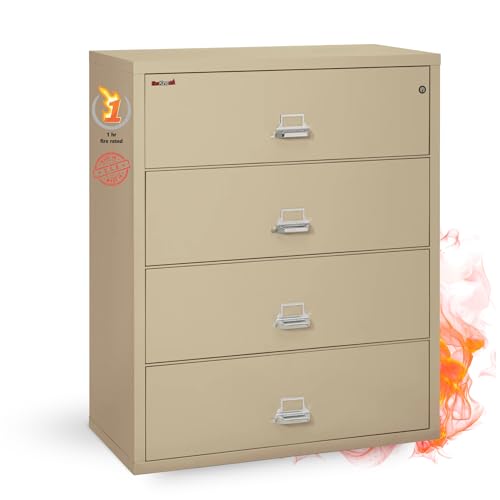
Four wide file drawers built with high sides for use with hanging folders and 1 follower block per drawer

Four wide file drawers built with high sides for use with hanging folders and 1 follower block per drawer

A digital combination lock provides easy access as well as the ability to change the code as often as you like. The combination can be set with a minimum of 4 and a maximum of 16 digits. Dimensions: 66.25"H x 47.25"W x 27.5"D. Interior: 59.5"H x 37.5"W x 19.5"D. Included with safe: 3 Adjustable Shelves, 2 Fixed Drawers.
Avoid Overpacking and Poor Storage When Prepping in the City
Urban emergencies can hit us out of nowhere. When that happens, it’s crucial to be ready without dragging around an overstuffed bug-out bag. You want to move fast, and extra weight will slow you down.
Start by figuring out what you truly need. Here’s a smart approach:
- Assess Weight Limits: Know what you can handle. Aim for lightweight supplies.
- Prioritize Essentials: Think about what you need most, like food, water, first aid, and a way to communicate.
Instead of relying on one storage spot, spread out your supplies. Find discreet, low-risk areas around the city. This way, you minimize the chance of theft and have backups in case one stash goes missing.
Keep your items fresh by rotating them regularly. Check your inventory frequently to avoid buying duplicates and ensure that everything is useful when you need it.
Also, consider weight distribution within your bag to avoid fatigue and maintain mobility during an evacuation.
Recommended Products

Size: 38.625" W x 12.5" D x 30.25" H | Two - 9 gal. Plastic Containers Included (fit 13 gal. trash bags)
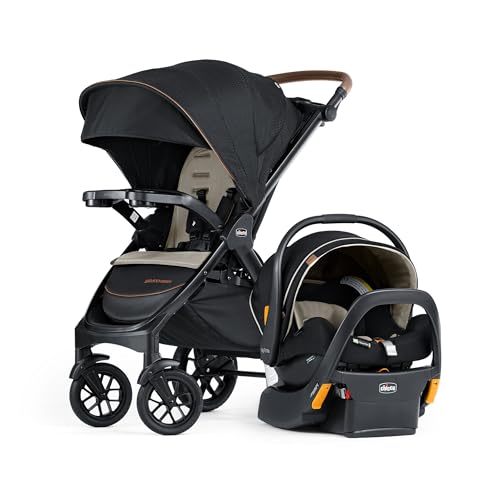
CAR SEAT AND STROLLER COMBO – The Chicco Bravo Primo Quick-Fold Stroller paired with the Chicco KeyFit Max Zip ClearTex Extended-Use Infant Car Seat creates a premium baby travel system.

Extra Peace of Mind with Identical Bags: The two (or three) bags are built identical to one another as stand-alone bug out bag for 2 people so if you happen to get separated from one another both parties will still have all the supplies they need!
Frequently Asked Questions
What Is the 3-3-3 Rule in Survival?
We must know the 3-3-3 rule: survive three minutes without air, three hours without shelter, three days without water. It guides our survival techniques, threat assessment, urban sheltering, water purification, first aid, and psychological preparedness.
What Are Common Mistakes to Avoid?
We shouldn’t neglect supplies storage, water purification, or food preservation. Overlooking communication planning, security measures, community networking, financial preparedness, skill training, emergency kits, and mental resilience can leave us vulnerable in crises. Let’s prepare thoroughly together.
What Are Preppers Scared Of?
We face fear factors like urban safety threats, food storage failure, and insufficient emergency supplies. Building self defense skills, practicing psychological preparedness, conducting risk assessment, fostering community resilience, embracing a survival mindset, and urban gardening all help ease our worries.
What Is the First Rule of Prepping?
The first rule of prepping is adopting a prepping mindset—prioritizing water, food storage, and emergency gear while focusing on skill development, self defense, community networks, bug out bags, risk assessment, information research, and urban sustainability for true readiness.


