As an Amazon Associate, we earn from qualifying purchases. Some links on this site are affiliate links at no extra cost to you. Our recommendations are based on thorough research and editorial judgment.


Understanding Emergency Alerts: What They Can and Can’t Tell You

Emergency alerts are something we all dread but need to take seriously. Whether it’s severe weather, a missing person, or a safety threat, these alerts pop up just when we need them most. They come straight to our phones via local cell towers. No tracking involved—just a fast way to get crucial information.
You may be interested


What I’ve learned is that these alerts are designed to give us brief, easy-to-follow instructions. They’re not going to spell everything out in detail. You won’t find extensive updates, and that’s okay. The priority is quick action to protect ourselves and our loved ones.
So, when you receive one, here’s what you should do:
- Follow the instructions promptly.
- Stay calm and focused.
- After that, seek out trustworthy sources for more info.
- Check official apps or reliable broadcasts for updates.
Let’s be real, it’s easy to feel overwhelmed. You might wonder what to do next or how to keep your family safe. By staying informed and learning about these alerts, you’re already one step ahead in protecting yourself during emergencies.
To sum it up, emergency alerts are vital tools for keeping us safe. So next time your phone buzzes with an alert, remember to act quickly and check reliable sources for more detailed information. Stay safe out there!
Key Takeaways
- Emergency alerts provide timely, actionable information but often include limited details due to character and targeting constraints.
- They primarily deliver broad instructions focused on immediate safety, rather than in-depth or continuously updated information.
- Alerts reach devices via cell towers without tracking individuals, ensuring privacy and reliable delivery even during network congestion.
- Not all localized emergencies may be covered, and connectivity issues can prevent some individuals from receiving alerts.
- For detailed updates and context, monitoring official sources like FEMA, NOAA Weather Radio, and local news is essential.
What Situations Trigger Emergency Alerts?

When it comes to emergency alerts, we often think about weather disasters like hurricanes or tornadoes. But there’s much more to it. Understanding what triggers these alerts can save lives and help us prepare better.
So, what situations really set off those alarms? Here’s a quick breakdown:
- Imminent Weather Threats: Tornadoes, hurricanes, and severe flooding can all lead to urgent warnings. The National Weather Service has systems like Wireless Emergency Alerts (WEA) to keep us informed.
- Child Abductions: AMBER Alerts are designed for urgent cases when a child is abducted. These alerts aim to mobilize communities fast. Every second counts when a child’s safety is in jeopardy.
- National Security Threats: Non-weather emergencies, like national security threats, are also covered. NOAA Weather Radio broadcasts vital information to keep the public safe during crises.
- Presidential Alerts: National Alerts allow the President to share important messages during major emergencies. This ensures we all receive the same crucial information, regardless of location.
- Local Incidents: Don’t forget about Public Safety Alerts. These are for less critical but still important local issues that may affect your area.
Why does knowing these triggers matter? Well, recognizing the signs means you can react quicker. When those alerts go off, will you know what it means? Take a moment to familiarize yourself with the different types of alerts out there.
It’s equally important to prepare with reliable tools like stormproof matches so you can stay safe even if power or communication lines fail.
Stay informed and stay safe. When you understand the signals of danger, you’re one step ahead in protecting yourself and your loved ones.
How Emergency Alerts Reach Your Phone

Emergency alerts can feel overwhelming sometimes, but knowing how they reach our phones can make us feel a bit more secure. Wireless Emergency Alerts (WEA) are sent out by government authorities to keep us informed during crucial moments. This happens through public safety agencies that connect with cell towers.
Here’s how the process works:
- Sending Alerts: Authorized agencies send emergency messages.
- Connected Towers: Cell towers broadcast these alerts to our mobile devices.
- Targeted Delivery: The system sends messages to all devices connected to a tower, aiming for specific geographic areas.
- No Tracking: It doesn’t track individual phone locations, which keeps our privacy intact.
- Reliable Reception: Even if the network is busy or our phones are in use, we’ll still get those alerts.
No subscriptions are needed. If your phone can receive WEA and you’re in the affected area, it happens automatically.
This system is designed with high reliability to function even during network congestion, ensuring you receive critical information when it matters most.
Trusting this system can ease some worries. Knowing that vital information is on its way when it matters most brings peace of mind. Stay safe and informed!
Why Emergency Alerts Don’t Give Every Detail

Have you ever seen an emergency alert and wondered why it’s so short? It can be frustrating not to get all the details. But let’s talk about why these alerts stick to the basics.
Emergency alerts have to be crystal clear and quick to digest. They focus on the most essential information you need to take immediate action. Take Wireless Emergency Alerts (WEAs), for example. They’re usually limited to about 90 characters. Why? Because short messages help ensure everyone understands them, especially when panic might make clarity more difficult.
Here’s what prioritizing safety looks like:
- Direct action: These alerts tell you what to do immediately.
- Geographic targeting: They reach people in specific areas only.
- Minimal context: You won’t find every detail or background info.
You might wonder where to find more information. For in-depth updates, local news outlets and emergency services are your best bets. While the alerts focus on what’s urgent, you can always supplement that with detailed coverage when things calm down.
Being clear and straightforward during a crisis is vital. It’s all about getting the information out there fast, allowing us to respond effectively. So, next time you see an alert, remember its purpose: to guide you to safety without creating confusion. Emergency preparedness often includes having organized storage solutions to access important items quickly during any crisis. Stay informed and stay safe!
What to Do When You Receive an Emergency Alert
Receiving an emergency alert can be jarring. You might feel that mix of surprise and concern when that alert tone buzzes your phone. It’s crucial to take these messages seriously. They aren’t just noise. They carry important information about threats to your safety—like severe weather or other immediate dangers.
So, what should you do when you get one of these alerts? Start by reading the message closely. Don’t just dismiss it. The specific instructions can be lifesaving. Here’s how to handle it:
- Stay Calm: Take a deep breath. Panicking won’t help you react effectively.
- Read Carefully: Understand what the alert is about and follow the instructions exactly.
- Act Quickly: If the alert advises you to evacuate or take cover, do it! These aren’t suggestions; they’re often urgent.
- Check Your Device: Make sure your phone can receive Wireless Emergency Alerts (WEAs), and that you have good cell reception to get timely updates.
Surprisingly, many of us miss alerts because of poor signal or device settings. It’s a good idea to occasionally check your settings to ensure you don’t miss one.
Having a reliable emergency power supply can help keep your devices charged to receive updates when power is out.
To sum it up, staying alert and responding promptly can make a real difference during emergencies. Next time that alert tone sounds, you’ll be ready. Stay safe out there!
Where to Find Emergency Alerts and Full Updates
Emergency alerts can catch anyone off guard. But don’t let that surprise become a setback. It’s super important to know where to find these alerts and how to get full updates, especially during a crisis.
So, how do we stay informed?
- Wireless Emergency Alerts (WEAs): These pop up directly on your phone. They can alert you about severe weather, local emergencies, and other urgent information.
- Emergency Alert System (EAS): Tune into your TV or radio to hear alerts broadcast by local officials and the government.
- NOAA Weather Radio: The National Weather Service broadcasts continuous information about emergencies, especially weather-related ones.
- Integrated Public Alert and Warning System (IPAWS): This compiles alerts from public safety officials and agencies. Check it out for detailed updates.
- FEMA Mobile App: This app offers real-time alerts, shelter locations, and disaster aid right on your device. It’s a must-have when things get dicey.
Don’t overlook local emergency management websites and social media, either. They are great resources for staying in the loop.
Make it a habit to check these sources regularly, so when an emergency does arise, you’re ready to act quickly. Stay informed, stay safe! Remember, having a wind-resistant tent can be crucial for protection during severe weather emergencies.
Recommended Products
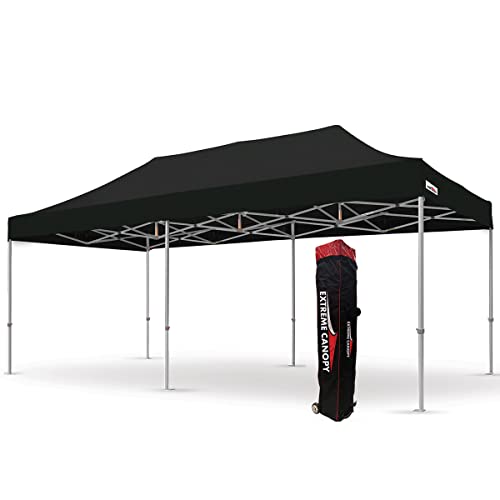
STRONG & DURABLE CONSTRUCTION: The X6 Velocity features the best sturdy design that has been built on over 15 years of research, design, and improvements. Due to its rigid build and easy light weight performance, this tent is one of the bestsellers throughout the United States. With a strong 1¾” hexagonal aluminium frame profile, robust reinforced truss bars, and commercial grade steel feet, this canopy is ready for tough weather conditions and frequent commercial use.

PROTECT YOUR INVESTMENT: Protect your car outdoors with a weather-resistant inflatable cover built for real-world vehicle storage. The Outdoor Car Cover sets up quickly, ensuring nothing touches the vehicle. Continuous filtered airflow reduces condensation, keeping your car cleaner, drier and safer in any outdoor environment. It works as a smart portable garage, carport canopy, car shelter, bubble garage or outdoor car cover structure for driveways, yards and open-air storage without permanent

HEAVY-DUTY TRANSPARENT MATERIAL- Made from thick, see-through vinyl, this clear plastic tarp provides dependable coverage while maintaining full visibility. Ideal for situations where light transmission is needed without sacrificing protection.
Frequently Asked Questions
How Do I Read Emergency Alerts?
To read emergency alerts effectively, we need alert interpretation skills and urgency assessment techniques. Using message decoding strategies and visual alert recognition helps, while understanding regional alert variations and alert frequency awareness supports response planning methods and community awareness programs.
What Do Different Emergency Alerts Mean?
Alert types like mobile alerts and regional alerts deliver urgent messages through notification systems supporting public safety. Understanding alert credibility helps us with preparedness planning, response protocols, and boosts community awareness for effective emergency actions together.
What Are the 4 Types of Alerts?
Like receiving a telegram in the digital age, the four alert categories—National, Imminent Threat, AMBER, and Public Safety—use emergency systems and communication channels to notify us of event types, guiding response protocols and enhancing public safety through clear alert purposes.
What Are the 5 Levels of Emergency Response?
The five levels of emergency response include prevention, preparedness, response, recovery, and mitigation. We rely on response categories, alert severity, communication protocols, and incident management to guide risk assessment, response strategies, crisis communication, and recovery efforts for public safety.


