As an Amazon Associate, we earn from qualifying purchases. Some links on this site are affiliate links at no extra cost to you. Our recommendations are based on thorough research and editorial judgment.


Urban Prepping 101: How to Build a Realistic Plan for City Life

Urban prepping isn’t just for survivalists out in the woods. It’s about being smart in the city. Let’s face it, emergencies can hit anywhere. So how do you prepare when the concrete is your landscape?
You may be interested


Firstly, assign clear roles in your household. It’s crucial everyone knows what to do and where to go. Planning your evacuation routes is vital. Traffic can be a nightmare, so having multiple options keeps you flexible.
Set up communication plans using apps that work offline. This way, if the network goes down, you can still connect with your loved ones.
When it comes to supplies, stock up on non-perishable food and bottled water. Keep a first aid kit handy, and make sure essential documents are organized. Vertical shelves or bins under the bed work great for this.
Don’t forget about backup power sources. Batteries can only get you so far, so think about options like solar chargers. A grab-and-go bag is crucial for quick escapes. Stuff it with food, water, and some basic tools.
Also, invest time in learning survival skills. Simple things like first aid or even knowing how to purify water can be life-saving. Building a relationship with your neighbors helps too. In tough times, community support can make a world of difference.
So, why not start today? Create your plan, gather your supplies, and get prepared for city living. You’ve got this!
Key Takeaways
- Assign clear emergency roles to family members and designate multiple evacuation routes considering urban traffic patterns.
- Store non-perishable food, one gallon of water per person, and essential documents in a grab-and-go bag.
- Use vertical and hidden storage solutions to efficiently organize prepping supplies in limited city spaces.
- Prepare for power outages with backup generators, solar chargers, and stock essential safety and first aid equipment.
- Build community connections with neighborhood chats, shared resources, and mental health support to enhance urban resilience.
Why Urban Prepping Matters

Living in a busy city like Los Angeles can feel overwhelming, especially when you consider how many people are packed into a single area. With over 7,000 folks sharing just one square mile, it doesn’t take much for chaos to ensue when a crisis hits. When the supply chains break down and it’s tough to get groceries or even utilities, urban prepping becomes a must.
So, what should be on your list? Here are a few essentials to consider:
- Stock up on emergency food that can last for weeks.
- Invest in a well-stocked first aid kit.
- Have reliable communication tools on hand, like a battery-powered radio or walkie-talkies.
It’s not just about supplies, though. You need skills tailored to city life. Think about how to navigate through gridlock if you ever need to evacuate. Understand your surroundings and identify multiple routes. Municipal services can be delayed or even nonexistent during tough times, so being self-reliant is crucial. Additionally, consider safe heating options during emergencies by using tent heaters with key safety features to prevent hazards.
Build Your Urban Emergency Plan

Life can throw unexpected challenges our way, especially in urban settings. Have you ever thought about what you’d do in a crisis? It’s crucial to have a solid urban emergency plan that every family member knows inside and out.
To kick things off, assign clear roles to each person. Everyone should know their tasks in an emergency. This way, there’s no confusion when it really counts.
- Designate primary evacuation routes: Choose multiple paths in and out of the city. Pay attention to traffic patterns and any places that might be hard to access during a crisis.
- Establish meet points: Select spots where your family can regroup if you get separated. Make sure these locations are safe and easy to reach.
Communication is key. In a crisis, traditional phone lines might go down. Set up a plan that involves:
- Text messaging apps: These can keep you connected even when calls can’t go through.
- Backup power: Have generators or solar chargers on hand to keep your devices alive for essential communications.
Practice makes perfect. Conduct regular evacuation drills.
– This builds confidence and fine-tunes response times. It’s not just about knowing; it’s about being prepared to act.
With this structured approach, you’ll respond more effectively when trouble knocks. Every detail you work out now can mean the difference between chaos and calm when it matters most.
Take the time to create your urban emergency plan. It could make all the difference down the road. Stay safe and stay prepared! Remember to also stock up on essential disposable gloves to maintain hygiene and safety during emergencies.
Recommended Products

The ultimate 72 hour kit: Designed for 2 people in just about any situation. Disaster prep for things like floods, hurricanes, fires, earthquakes, blizzards or whatever mother nature dreams of. Even aliens and zombies fear this kit.
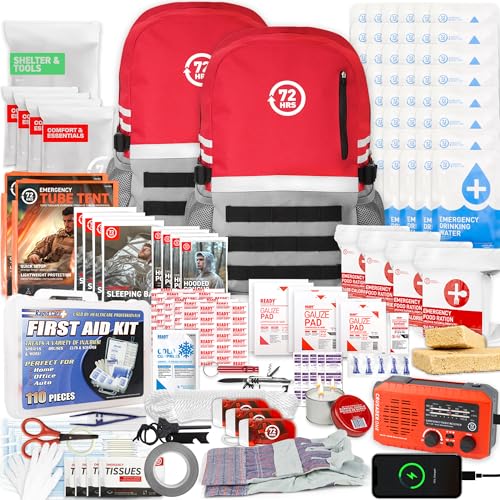
Ultimate Readiness: The go bag emergency backpack survival kit ensures you are prepared for any unexpected situation, providing peace of mind for you and your family

Hybrid Communication: On-Grid + Off-Grid in One System: Use the Spectre Pro as a full Android phone with SIM or WiFi, and switch to LoRa MeshCore communication when networks are unavailable. The Mini Trekker expands your off-grid network.
Urban Prepping Challenges: Water, Power, and Transportation

Living in the city is great, right? But when emergencies hit, urban prepping can feel like a tricky game. Water, power, and transportation become top priorities.
First up, let’s talk water. City supplies can go dry or get contaminated in a hurry. So stock up on clean water. Aim to keep a stash at home. Need a backup plan? Consider setting up a rainwater harvesting system. It’s easier than you think and can be a lifesaver.
Next, power outages are a real concern. A good strategy involves having backup generators or even solar-powered chargers. This way, you can keep your essential devices up and running, no matter what happens.
Transportation can be a real headache in crowded urban areas. Imagine the gridlock. Make sure you have several escape routes planned. Think about using different transportation modes, too. Whether it’s a bike, public transport, or even a buddy’s car, variety is key.
Also, food supplies matter. Non-perishable items should be your go-to for long stretches without resources. Urban foraging isn’t always reliable, so keep your pantry stocked.
Don’t forget to prepare a well-equipped bug-out bag. This should cover your basic needs and ensure you’re ready to move if necessary.
Additionally, having emergency water barrels with proper treatment can ensure a reliable water supply during city emergencies.
Recommended Products

PORTABLE, STACKABLE WATER CONTAINERS: These 5-gallon water containers are designed with flat bottoms and tops that stack together, even in limited space. The built-in handles make them portable, and the twist breathing ports make it easy to pour out their contents without them getting air locked. This kit includes 20 individual 5-gallon water containers, 24 lids, 2 spigots, 1 70mm cap wrench, and 1 bottle of water preserver that can treat up to 110 gallons of water.

PORTABLE, STACKABLE WATER CONTAINERS: These 5-gallon water containers are designed with flat bottoms and tops that nestle together to help stack more water in less space. The handles make them ideal for moving around, and the built-in twist breathing ports make it easy to pour out the contents of your containers without them getting air locked. This kit includes 16 individual 5-gallon water containers with lids.

15" diameter x 26" tall
How to Store Essential Urban Prepping Supplies in Small Spaces
Living in a small urban space can make prepping feel daunting. Finding room for all those essential supplies? Not an easy task! I’ve learned through trial and error how to maximize every inch of available space. Here are some proven strategies that work for me.
- Start with vertical solutions. Tall shelves and stackable bins can be your best friends. They take up minimal floor space and make it easy to grab what you need quickly.
- Multi-purpose furniture saves both space and sanity. Look for pieces that come with hidden compartments. They let you stow away supplies without making your apartment feel cluttered.
- Don’t forget about under-bed storage! Invest in containers that fit perfectly under there, or think about those awkward closet corners and hallways. Every little bit counts.
- Use pegboards or wall-mounted racks to hang emergency gear. This keeps everything organized and visible, so you’ll always know where to find things.
- Choose compact supplies. Freeze-dried food and collapsible water containers don’t take up much space but pack a punch in terms of preparedness.
- Lightweight gear is crucial for urban living. It makes it much easier to manage your supplies, especially when you need to grab things quickly.
- Using airtight storage containers can help keep your supplies fresh and pest-free in confined spaces.
Storing prepping supplies in a small space isn’t impossible. With a little creativity and organization, you can have everything ready when you need it most. Definitely worth the effort!
Recommended Products
![Glotoch 24oz [1 Pallet-8350 Pack] Meal Prep Containers Reusable with Lids, Food Storage Containers Microwave,Freezer,Dishwasher Safe, Leakproof & BPA Free Durable Plastic Bento Box To Go Take Out](https://m.media-amazon.com/images/I/512IoxugSrL._SL500_.jpg)
Package includes: 8350 Food Containers + 8350 Lids

Great Value Set: This juice bottle set includes 1080 16 oz plastic juice bottles with tamper-evident caps, measuring 2.25 inches x 7.5 inches. Includes 1080 bottles and 1080 stickers for easy use.

HARD-EARNED GAME STAYS FRESH LONGER: The GameSaver Vacuum Sealing System removes air from specially designed bags, then applies heat so it seals meat, fish, and poultry airtight to prevent freezer burn and spoilage
Creating a Grab-And-Go Bag Perfect for City Life
Living in the city often feels like a balancing act. When the unexpected happens, a well-packed grab-and-go bag can be your best friend. You don’t need to sacrifice convenience for safety. A few essential items can make all the difference.
Start with the basics:
- Water: Aim for at least one gallon per person. Hydration is key in emergencies.
- Non-perishable snacks: Think granola bars or nut packs. Quick energy is important.
- First aid supplies: Keep band-aids, antiseptics, and pain relievers on hand. You never know when a scrape might occur.
- Flashlight and batteries: Power outages can be unpredictable. A reliable light source is a must.
- Important documents: Store these in a waterproof pouch. They’ll keep you connected and informed.
Don’t forget about comfort. Include a change of clothes and hygiene items. Feeling fresh can make a tough situation a bit easier. Consider adding a portable water purifier with a multi-stage filtration system to ensure safe drinking water from various sources.
Recommended Products
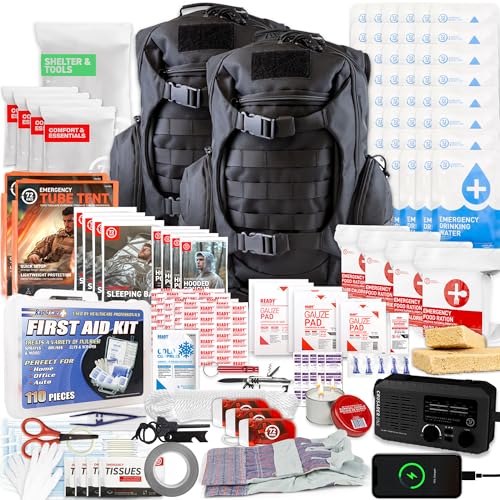
Ultimate Readiness: The go bag emergency backpack survival kit ensures you are prepared for any unexpected situation, providing peace of mind for you and your family

✅[Complete 72 Hour Emergency Kit]: This ready-to-go disaster preparedness kit supports you through emergencies for up to 3 days. Be preapred for power outages, wildfires, winter storms, earthquakes, and more.

✅【72 Hours for 3 People, STORM II Emergency Survival Kit】STORM II EMERGENCY KIT was designed and hand-picked by survivalists, experts, and veterans. Including everything you and your loved ones would need to survive for 72 hours. The most comprehensive and ULTIMATE emergency kit to get you well-prepared for any emergency or disaster. Everything is stuffed in a heavy-duty tactical backpack.
Skills and Community Connections for Urban Readiness
Urban life can be unpredictable. Whether it’s a natural disaster or a sudden power outage, being prepared is essential. Having a solid set of practical skills and a dependable community can make all the difference when facing unexpected challenges.
So, what skills should you focus on? Here’s a quick list:
- Basic first aid: Knowing how to treat minor injuries can save lives.
- Cooking without electricity: Learn methods like outdoor grilling or using a camp stove.
- Navigation without GPS: Familiarize yourself with maps and landmarks in your area.
Don’t forget about managing utilities. It’s crucial to know how to shut off your water, gas, and electricity. This knowledge helps prevent further damage and hazards in emergencies.
Building connections in your community is equally important. Engage with your neighbors! Establish a communication plan that covers:
- Meeting points: Decide where to gather if things go south.
- Backup messaging methods: Whether it’s using walkie-talkies or a neighborhood group chat, stay connected.
This approach encourages resource sharing and coordinated efforts, which can lead to successful survival strategies when the going gets tough.
Mental resilience matters too. Look after your well-being and support one another. Simple self-care techniques can keep you and your loved ones calm during prolonged crises.
For enhanced safety during various urban preparedness activities, consider investing in amber lens safety glasses to improve visibility and provide essential eye protection.
Urban preppers, take these ideas and run with them. Being prepared is about outsmarting the chaos of city life. A little planning goes a long way in building a realistic, effective response to challenges. Stay ready, stay connected!
Frequently Asked Questions
How to Survive City Life?
To survive city life, we rely on urban survival skills, build emergency kits, use local resources, practice communication strategies, focus on food preservation, learn self-defense training, plan transportation options, foster community support, and maintain proper waste management.
How to Doomsday Prep?
We’ll build balanced bags with emergency kits, bolster survival gear, boost food storage, and bring water purification. Blending self-defense training, community networks, urban gardening, mental resilience, and sustainable living guarantees we’re prepared, protected, and persistent through any doomsday dilemma.
How to Prepare for Long-Term Survival?
To prepare for long-term survival, let’s prioritize long term food, emergency water, and urban gardening. We’ll build community networks, practice self defense tactics, maintain first aid skills, gather essential tools, develop sustainable energy, and strengthen mental resilience together.


