As an Amazon Associate, we earn from qualifying purchases. Some links on this site are affiliate links at no extra cost to you. Our recommendations are based on thorough research and editorial judgment.


Pet First Aid Basics for City Preppers

When you have pets, being prepared for emergencies is just as important as dealing with human family members. Imagine your dog decided to eat something they shouldn’t or your cat gets into a fight—those moments can happen in a heartbeat.
You may be interested


That’s why having a solid pet first aid kit at the ready is crucial.
Your kit should include:
- Gauze and bandages
- Antiseptic wipes
- Disposable gloves
- A digital thermometer
- Copies of your pet’s medical records
Let’s talk emergencies. You might wonder how to spot when your furry friend needs immediate help. Keep an eye out for signs like:
- Choking
- Severe bleeding
- Heatstroke
- Unresponsiveness
- Dehydration
If you see your pet choking, use the Heimlich maneuver. Apply firm pressure to any wounds to control bleeding and do your best to cool down an overheated pet.
It’s essential to stay calm because stressed pets can sense your anxiety and may react unpredictably.
Planning for evacuation? Pack at least three days’ worth of food, water, and any medications they may need during a crisis.
Know when to call your vet. Sometimes, a phone call can prevent a minor issue from escalating. Access to help is vital, so be sure you have the right contacts on hand.
Being prepared does wonders for your peace of mind. When it comes to our furry companions, a little preparation goes a long way.
Keep learning—you’re doing great just by taking these steps!
Key Takeaways
- Prepare a pet first aid kit with gauze, antiseptic wipes, gloves, thermometer, and medical records tailored for city living emergencies.
- Learn to recognize life-threatening signs like choking, severe bleeding, heatstroke, and unresponsiveness for prompt urban pet care.
- Practice basic first aid: apply pressure on wounds, perform Heimlich for choking, cool overheated pets, and maintain calm handling.
- Keep a portable emergency kit with three days’ food, water, medications, and updated ID tags for quick evacuation in city emergencies.
- Know 24-hour local emergency vets, keep pet health info accessible, and use pet health apps for urgent advice and resources.
Build Your Pet First Aid Kit for City Emergencies

When disaster strikes in the city, you want to be ready for anything—especially when it comes to your furry friends. Picture this: you’re forced to evacuate, and you suddenly realize you’re not prepared for your pet. That thought alone can keep any pet owner up at night. So, let’s dive into how to put together a solid first aid kit that’ll cover all the essentials.
Start with the basics. Here’s what you’ll need:
- Gauze and bandages: Great for wrapping up cuts or scrapes.
- Antiseptic wipes: Perfect for cleaning wounds.
- Disposable gloves: Keep things sanitary while tending to your pet.
- A digital thermometer: You’ll want to keep track of their temperature.
Do you have a copy of your pet’s medical records? If not, grab one and toss it in the kit. Add their current medications too. This makes for smooth sailing when you’re at the vet.
Next up, you can’t forget food and water. Pack at least three days’ worth in airtight containers. When the pressure’s on, having their favorite snacks can ease their nerves.
Stress happens, especially during emergencies. Consider throwing in a favorite blanket or toy—something that makes your pet feel at home.
Waste disposal is another aspect to think about. Have plastic trash bags on hand for easy cleanup. Plus, jot down important contact information, like your vet’s number and pet emergency hotlines. Keeping a printed list in your kit can save you a ton of stress.
Lastly, include a compact pet first aid guide. This little gem will teach you basic first aid techniques, so you know exactly how to react if something goes wrong. Make sure this kit is easily accessible, whether you’re at home or on the go.
Including nutrient-rich emergency food options for your pet ensures they stay energized and healthy during emergencies when regular food sources may be unavailable.
Putting together a pet first aid kit isn’t just wise; it’s essential. Be proactive about your pet’s safety, and you’ll find peace of mind when that emergency comes knocking. Stay prepared and keep your furry buddy safe!
Spot Life-Threatening Emergencies in Your Pet
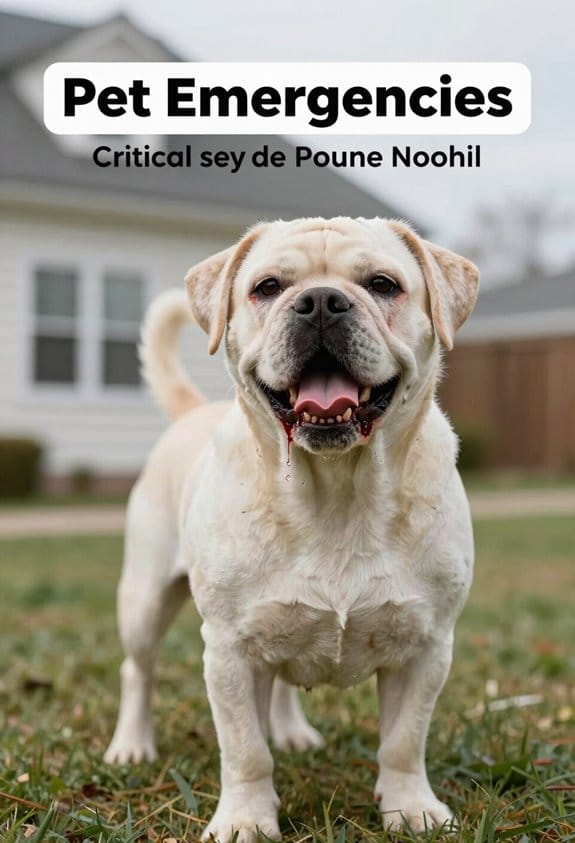
When it comes to our pets, it’s the little things that can make a big difference in emergencies. A well-stocked first aid kit is a great start, but knowing how to spot a pet in distress is crucial.
- Choking: Notice if your pet is having trouble breathing, pawing at their mouth, or showing blue lips. Those are signs of choking. Act fast. Use the Heimlich maneuver immediately.
- Severe Bleeding: If there’s a nasty cut or injury, apply firm pressure with clean gauze. It’s essential to control the bleeding while you get to the vet.
- Heatstroke: If your furry friend is panting rapidly, drooling like a fountain, or seems confused, they might be overheating. Cool them off right away and head to the vet.
- Unresponsiveness or Seizures: These can signal critical conditions. Don’t wait around; call your vet immediately.
- Vomiting or Diarrhea: If it’s persistent, dehydration can kick in fast. Get your pet checked by a vet without delay.
Using latex-free gloves when administering first aid can help protect both you and your pet from potential allergens and contaminants.
Recognizing these signs early could save your pet’s life. Stay alert and don’t hesitate to seek help. Our pets rely on us, and being proactive can make all the difference. Trust your instincts; they often know what they need.
Perform Basic Pet First Aid Steps
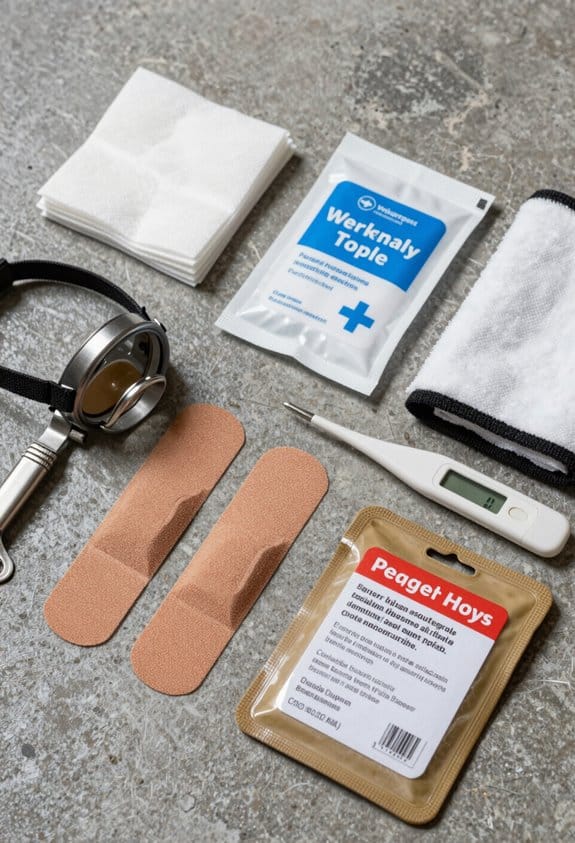
Emergencies with our pets can catch us off guard. The rush of panic is natural, but staying calm is crucial. You need to assess the situation carefully before jumping into action.
For your pet’s bleeding, apply firm pressure. Grab some gauze or a clean towel and press it against the wound. This simple act can help control blood loss. Keep your pet as calm and still as possible during this process.
If your furry friend is choking, stay focused. Try the Heimlich maneuver: position your hands under their ribcage and give quick upward thrusts. Repeat this until you clear their airway. Your pet’s breathing will lighten your heart, trust me.
Heat-related issues can be serious. Move your pet to a shaded area right away. Pour cool water on their fur and paws to help bring their body temperature down. Regularly check their condition, and the moment you notice anything off, call your vet.
Always be ready for anything. Situations can change fast, and knowing how to evacuate with your pet is part of responsible ownership.
Keeping a trauma kit bag with essential supplies like gauze and tourniquets handy can vastly improve your emergency response.
Keep these first aid basics in mind, and you’ll be prepared for any emergency. Your furry companions depend on you, so stay alert and take action swiftly. Trust yourself—you’ve got this!
Handle Injured or Stressed Pets Safely During Crises
Caring for injured or stressed pets during a crisis can be downright scary. You want to help them, but their fear can lead to unpredictable behaviors. Here’s how to make sure both you and your furry friend stay safe.
First off, stay calm. I know it’s easier said than done, but your demeanor affects your pet. Speak softly and try to create a reassuring atmosphere. This helps keep them from getting more anxious.
When it comes to safely handling your pet, consider these key points:
- Keep your Distance: Avoid getting too close to your pet’s mouth to dodge any potential bites. If they seem aggressive, don’t hesitate to use a muzzle.
- Find a Cozy Carrier: If your pet is small enough, gently place them in a pet carrier. For larger pets, consider wrapping them in a soft blanket to minimize movement and help them feel secure.
- Warmth is Key: Keeping your pet warm can help lower stress levels. Blankets or a warm spot can work wonders.
- Plan for Vet Visits: Make sure you’re prepared to seek medical help quickly. This is crucial for their well-being.
You might be wondering how to get your pet used to these handling techniques. Practice makes perfect! Familiarizing them with carriers or blankets before an emergency can make a significant difference in those high-stress moments.
Wearing gloves with good dexterity and flexibility can help protect you from scratches or bites while handling an injured pet.
In the end, the priority is to ensure safety for both you and your pet. Stay calm, know your handling techniques, and be ready to act when it counts. Your confidence can make all the difference in a tough situation. Remember, by preparing in advance, you can navigate through crises with more ease.
Get Your Pet Ready for Emergency Evacuation and Travel
Emergencies can happen when you least expect them. The thought of having to pack up and evacuate with your furry friend can be overwhelming. To help you navigate those stressful moments, it’s crucial to prepare your pet in advance.
Start by putting together a pet emergency kit. Here’s what I recommend packing:
- Three days’ worth of food and water
- Any medication your pet needs
- Identification, including a microchip and an ID tag
- Comfort items, such as their favorite blanket or toy
You might find it surprising, but keeping your pet’s identification up to date isn’t just a good idea; it’s essential. Make sure the microchip information and ID tag reflect your current emergency contact details.
Additionally, get your pet comfortable with their carrier. You can do this by placing treats and familiar items inside, letting them explore and relax in there. I’ve found that spending time on this now really pays off later—less anxiety for everyone involved!
Let’s talk drills. Yes, practice makes perfect! Conduct regular evacuation drills with your pet. This way, they’ll become accustomed to travel and may even start to associate movement with fun.
Finally, do a little homework. Research pet-friendly hotels and shelters along your planned evacuation route. Having this information at your fingertips can save you a lot of hassle when time is of the essence.
To wrap it up, preparation is key to keeping your pet safe during emergencies. Embrace these steps, and you’ll be ready to handle whatever comes your way with your furry friend by your side. Remember, a little planning goes a long way! Including first aid supplies tailored for pets in your emergency kit can improve safety and care during unexpected situations.
When to Call the Vet and How to Get Emergency Help
When it comes to our fur babies, being prepared for emergencies is non-negotiable. You never know when your pet might need immediate help, so it’s crucial to know when to call the vet. If you notice any signs like difficulty breathing, persistent vomiting, uncontrolled bleeding, or your pet becoming unresponsive, don’t hesitate. Make that call right away!
A handy tip? Keep a list of 24-hour emergency vet clinics and local animal hospitals tucked in your first aid kit. Here’s a quick checklist to ensure you’re ready for any emergency situation:
- Know the signs: Be familiar with emergency symptoms.
- Have contact info on hand: Store numbers for nearby emergency clinics.
- Keep pet records ready: Have your pet’s medical history accessible.
- List any treatments given: Be prepared to explain what you’ve done.
When you do reach out for help, provide clear and accurate details about your pet’s symptoms, how long they’ve been happening, and any treatments you’ve administered. It can make a world of difference in getting the right care quickly.
Additionally, if you’re looking for a fast way to get advice, consider downloading a pet health app. These can offer guidance and direct you to resources in moments of panic. Trust me, preparing these resources ahead of time means you’re not scrambling when every second counts.
Being ready for an emergency means acting swiftly and confidently. With a bit of planning, you can ensure your beloved pets get the timely care they deserve. So, take these steps and rest easy knowing you’re prepared for whatever comes your way! Remember to also secure your emergency kit with durable and visible gear to make it easy to find and use during critical moments.
Frequently Asked Questions
Can Common Household Items Substitute for Specialized Pet First Aid Supplies?
Yes, we can use homemade bandages, disinfectant alternatives, and organic wound treatments as first aid tools. Pet safe icepacks, emergency water, pain relief substitutes, and medical tape options also help—always have a vet advice hotline and shelter supplies guide handy.
How Do City Noise and Crowds Affect Pet Anxiety During Emergencies?
We find urban noise and crowd behavior considerably heighten pet anxiety during emergencies. Recognizing anxiety triggers in pet behavior lets us use calming techniques and preventive measures, improving emergency preparedness and ensuring better outcomes in noise-exposed shelters.
What Vaccinations Are Most Crucial for City Pets in Disaster Scenarios?
It is understood that sticking to vaccination schedules with essential vaccines like rabies and distemper is key for urban pet health. City vet recommendations, health certificates, and pet insurance support disaster preparedness, outbreak prevention, emergency care, and rescue organizations’ efforts.
Are There Apps for Pet Medical Records Accessible During Urban Crises?
Yes, we’ve found pet health apps offering emergency record keeping, mobile vet access, and digital vaccination logs. These pet first aid apps include pet injury alerts, veterinary telemedicine options, and data encryption measures for urban pet safety and crisis preparedness tools.
How to Manage Pet First Aid for Exotic or Unusual City Pets?
It is understood that exotic pet injuries can feel overwhelming, but focusing on basic health assessment and first aid techniques helps. Keep an emergency contacts list, understand unusual pet symptoms, watch for environmental stressors, and prepare veterinary emergency kits.


