As an Amazon Associate, we earn from qualifying purchases. Some links on this site are affiliate links at no extra cost to you. Our recommendations are based on thorough research and editorial judgment.


Treating Minor Wounds Safely at Home (and Red Flags That Need Care)

Dealing with minor wounds at home can feel daunting, but it doesn’t have to be. Picture this: you’ve just nicked your finger while chopping veggies, and panic sets in as blood starts to flow. Don’t stress! You can handle it with a few simple steps.
You may be interested



First things first, let’s stop the bleeding. Grab a clean cloth or bandage and apply firm, steady pressure right on the cut. Hold it there for about 10-15 minutes and keep that injury elevated above heart level. You’d be surprised how effective this can be.
Once the bleeding has slowed or stopped, it’s time to give that cut a gentle cleanse. Rinse it with cool water and a bit of mild soap. Pat it dry carefully – no need to scrub! After that, slather on some antibiotic ointment to help prevent any infection. Cover it up with a sterile bandage, and you’re good to go.
Now, let’s talk about what to keep an eye on. Watch out for red flags like:
- Persistent bleeding
- Deep or large cuts
- Swelling or redness
- Any pus or unusual drainage
If you notice any of these signs, it’s best to seek medical help. You want to make sure nothing escalates into a bigger issue.
Taking care of minor wounds at home is manageable, but knowing when to get help is key. With the right steps and a watchful eye, you can ensure a smooth healing process. Stay safe and take care!
Key Takeaways
- Apply firm pressure and elevate the wound to stop bleeding, then cover it with a sterile bandage once bleeding stops.
- Clean the wound gently with running water and mild soap, apply antibiotic ointment, and change bandages daily or if soiled.
- Seek medical care for deep cuts, bleeding lasting over 10 minutes, animal or human bites, or if blood is spurting.
- Watch for infection signs like redness, swelling, warmth, pus, red streaks, fever, increased pain, or numbness around the wound.
- Use a well-stocked trauma kit and consult professionals if healing stalls or complications arise for proper wound management.
How to Stop a Minor Cut From Bleeding Safely

A minor cut can be a real annoyance. Maybe you nicked your finger while chopping vegetables or scraped your knee during a run. It’s easy to panic when you see blood, but stopping the bleeding is often straightforward.
First things first: apply firm pressure. Grab a clean cloth or a single piece of gauze and press it directly onto the wound. Hold that pressure steady for at least 10 to 15 minutes. No peeking! Lifting the cloth can disrupt the clotting process. This pressure is key—it helps your body form a clot and start the healing process.
While you’re at it, try elevating the injured area. Lifting it above heart level helps slow down blood flow to the wound. If after 10 minutes, the bleeding hasn’t let up, or if the blood is spurting, it’s time to call for help. That could mean contacting a healthcare professional because your injury might be more severe than you thought.
Once the bleeding is under control, cover the wound. Keeping it covered minimizes infection risks. And don’t just forget about it—keeping an eye out for signs of infection is crucial. This means looking for increased redness, swelling, or discharge around the cut.
Taking care of a minor cut doesn’t have to be stressful. With the right steps, you can handle it safely at home. Stay calm, act smart, and remember that your body is equipped to heal itself! Using durable materials such as high-strength plastics in safety devices can help prevent accidents that cause wounds in the first place.
How to Clean and Protect Minor Wounds at Home
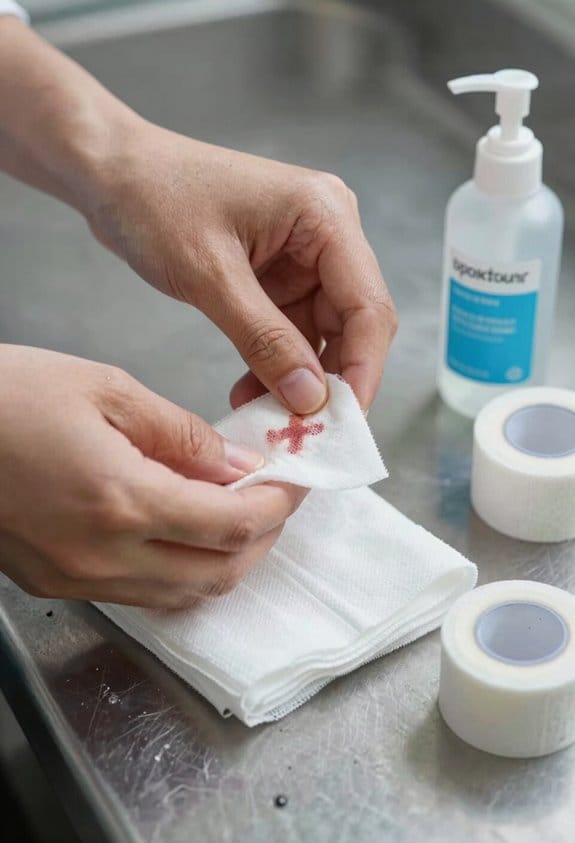
Cleaning minor wounds at home can feel daunting, but it’s really just about being smart and gentle. Picture this: you’ve got a scrape or a tiny cut. You want to make sure it heals nicely without turning into a mess, right? Well, getting started is simple.
First, rinse the wound under some gently running water. Use mild soap to scrub away any dirt or debris. Skip the harsh antiseptics; trust me, those can actually harm healthy skin and slow down healing. Once it’s all clean, put a thin layer of antibiotic ointment or petroleum jelly on the wound. This step is crucial because it helps prevent infections and keeps things moist—both key for quicker healing.
Next comes the protective layer. Cover that wound with a sterile bandage or some gauze. This will shield it from bacteria and dirt, giving it the security it needs to heal. A good rule of thumb? Change that bandage daily, or sooner if it gets wet or dirty. Cleanliness is everything when healing a wound.
While you’re at it, keep an eye on the wound. Look for any signs of infection—redness, swelling, or discharge. If you spot anything off, don’t hesitate to seek medical help. Better safe than sorry, right?
Taking care of minor wounds at home doesn’t need to be complicated. Just a few simple steps, and you’re on your way to a cleaner, healthier healing process. Remember, your body has a remarkable ability to heal itself; just give it a little help along the way! Using effective water treatment methods can also reduce the risk of infection when cleaning wounds with outdoor or uncertain water sources.
When to Seek Medical Attention for Minor Cuts

Minor cuts can be annoying, right? We’re all familiar with those little injuries that happen when we’re working on a project or just being our clumsy selves. Most of the time, we can take care of them at home, but there are a few warning signs that mean it’s time to reach for the phone and call for medical help.
- If the bleeding doesn’t stop after 10 minutes of direct pressure, that’s a red flag. You don’t want to risk losing too much blood, so get to a doctor quickly.
- Deep cuts or jagged edges are also cause for concern. They might need stitches, and it’s best to let a professional handle it. Your primary care provider or an emergency medicine physician can help you out.
- Bites from animals or humans? Those can be tricky. They carry a higher risk of infection, which is why you should get them checked out right away.
- Keep an eye on any signs of infection, such as redness, streaks spreading from the wound, fever over 100.4°F, or even numbness. If any of these show up, don’t hesitate to seek help.
Cleaning the cut properly is crucial, but don’t let the need for a clean bandage make you hesitate to get medical care when you see these warning signs. It’s always better to be safe than sorry! Taking care of your health is the priority. When working on projects that may expose you to hazardous particulates, wearing a proper protective mask can help prevent further complications.
Signs of Infection in Minor Cuts You Should Never Ignore
Minor cuts happen to the best of us. Whether it’s an accidental scrape while cooking or a small nick from a DIY project, they can be annoying. But what happens if those tiny injuries don’t heal quite right? Recognizing the signs of infection is crucial.
Look out for these key indicators:
- Redness and Warmth: If the area around your cut gets progressively red and warm, that’s a red flag.
- Pain: Increased pain is no small matter. It often means your body is fighting something off.
- Swelling and Hardness: These can signal fluid buildup, which might suggest issues beneath the surface.
- Pus: If you see white or milky drainage coming from the wound, you’re dealing with an infection.
- Fever: A temperature over 100.4°F can mean the infection is becoming systemic.
- Red Streaks: If you notice lines spreading out from the cut, it’s time to act fast.
If you observe any of these signs, don’t wait. Seek medical attention as soon as possible. Timely treatment keeps things from worsening and helps you heal faster. Keep an eye on that wound; it’s all about being proactive. Ignoring the symptoms could lead to more serious health risks.
Using appropriate protective gear like safety glasses when working on DIY projects can help prevent these injuries.
Stay vigilant, and take care of those cuts. Your health is worth it!
How to Manage High-Risk Wounds and Special Situations
High-risk wounds can really throw a wrench in your day. Whether it’s an animal bite or a deep puncture, these injuries demand your attention. Trust me, ignoring the situation can lead to serious complications down the line.
So, what should you do? Start by getting medical help if the wound looks bad or is contaminated. If there’s debris stuck in there, grab some clean tweezers and gently remove it. Just don’t wait too long to see a doctor. Once you’ve tended to that, give it a good wash with soap and water. Following that, an antibiotic ointment can help keep infection at bay.
Bleeding can also be a big deal. If you’re applying direct pressure and it hasn’t slowed down after ten minutes, don’t hesitate—head to the nearest medical facility. For those with diabetes or poor blood circulation, extra caution is key.
Having a first-aid kit stocked with essentials is a smart move. It’s a great starting point for managing these wounds, but always prioritize getting professional care. This can significantly reduce infection risks and promote effective healing.
Using heavy-duty nitrile gloves when treating wounds helps protect both you and the patient from contamination and infection.
Keep these tips in mind, and you’ll be better prepared to handle high-risk wounds when they happen. You’ve got this!
How to Monitor Healing and Know When to See a Doctor
Caring for a minor wound isn’t just about the initial bandage; it’s about vigilance every day. Trust me, monitoring how it looks and feels is key.
Keep an eye out for signs that something’s off. Look for:
- Increased redness around the wound
- Swelling or warmth that won’t go down
- Pus or unusual drainage
Persistent pain? That’s another red flag. If bleeding doesn’t let up, don’t stick around wondering if it’s serious.
Deep wounds, jagged edges, or those caused by bites? Don’t waste time—get medical help right away. Additionally, watch for symptoms like:
- Red streaks leading away from the wound
- Swollen lymph nodes
- A fever above 100.4°F
These could mean a serious infection that needs urgent care.
So, if you’re caring for a wound at home and it seems stuck or worse after a few days, consult a healthcare professional. It’s crucial to prevent complications and ensure it heals properly.
Healing can be a bit of a journey, but your attention to detail plays a huge role. Stay proactive, and you’ll navigate it like a pro! Using a trauma kit with essential medical supplies can greatly improve your ability to manage wound care effectively at home.
Frequently Asked Questions
What Do You Need to Care for a Minor Wound?
We need first aid supplies like mild soap for wound cleaning, antiseptic application, and appropriate bandage types or gauze selection. Caring for wounds involves infection prevention, pain management, wound monitoring, and considering pediatric care for safe healing.
What Are Red Flag Wounds?
Red flag wounds are like storm signals—severe bleeding, deep punctures, uncontrolled swelling, or a foreign object trapped inside. If we notice infected wounds, large areas affected, numbness, persistent pain, or fever indications, we seek urgent help.
What Are the 5 Rules of Wound Care?
We follow five rules: essential hygiene practices during wound cleaning techniques, dressing selection tips to protect, infection prevention strategies, wound monitoring signs for safety, and pain management methods. These cover healing process stages and scar minimization tips while guiding caregiver responsibilities.
How to Treat a Minor Wound Infection at Home?
To treat a minor wound infection at home, we focus on gentle wound cleaning, avoid harsh natural antiseptics, use appropriate bandage types, manage pain, support healing with diet, follow prevention tips, watch infection symptoms, and know when to seek help.


