As an Amazon Associate, we earn from qualifying purchases. Some links on this site are affiliate links at no extra cost to you. Our recommendations are based on thorough research and editorial judgment.


Preparing for Illness During Disruptions: Isolation and Household Rules

Setting up an effective isolation space is crucial when illness strikes. Imagine needing a safe haven within your own home. You’ll want a well-ventilated room, preferably with its own bathroom. This setup can make all the difference in keeping everyone safe.
You may be interested


First, keep your distance. Six feet is the magic number. When you share spaces, masks become your best friends. It sounds simple, but it’s incredibly effective. Don’t forget about disinfecting those high-touch surfaces regularly. Think doorknobs, countertops, and light switches.
Surprisingly, hygiene supplies can run out quicker than you think. Stock up on essentials like soap, hand sanitizer, masks, and disinfectant wipes. This foresight can really save the day.
Caring for vulnerable members is crucial. Limit their exposure to others, and make sure they have easy access to everything they need—from food to medications. This helps keep them safe and reassured during uncertain times.
Follow these guidelines carefully. Adhering to strict household rules can help contain illness and protect everyone in your home.
Feeling overwhelmed? Take a breath. You’re doing your best amidst a challenging situation. Keeping communication open can also bring emotional support when it’s needed the most. You’ve got this!
Key Takeaways
- Set up a separate, well-ventilated isolation space with essential supplies and private bathroom access to contain the illness safely.
- Maintain at least six feet distance and require masks in shared spaces to minimize cross-infection risks.
- Clean and disinfect high-touch surfaces frequently, including doorknobs and countertops, to reduce contamination.
- Avoid sharing personal items like dishes, towels, and linens within the household to prevent spread.
- Limit visitors to essential caregivers only and ensure everyone follows hygiene and safety protocols consistently.
Set Up a Safe Isolation Space for COVID-19 at Home
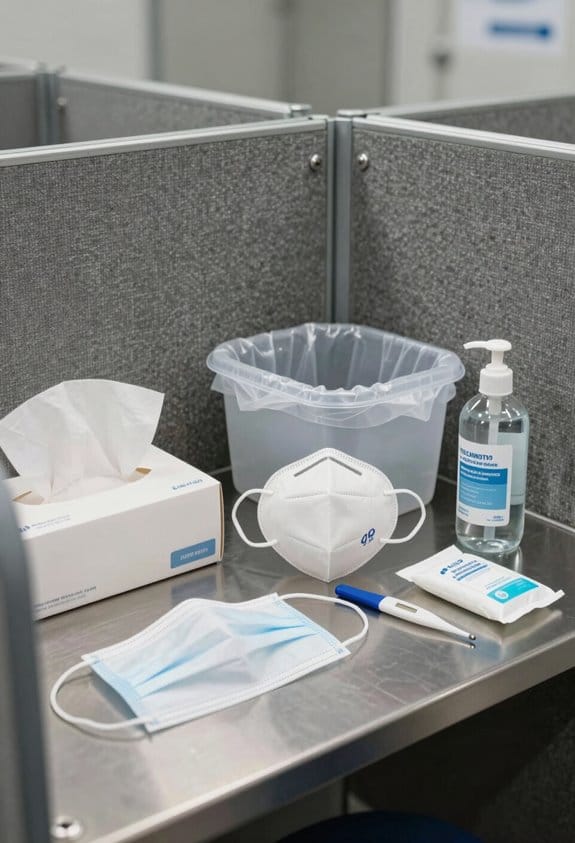
Isolating a household member with COVID-19 can feel overwhelming and scary. But with a little planning, you can create a safe space for them that helps reduce the risk of spreading the virus to others in the home. Here’s how to set it up effectively.
First, choose a room that’s separate from shared areas. It should ideally be well-ventilated; open those windows and doors if you can, or use an air purifier. The goal is to keep the airflow fresh. If possible, provide access to a private bathroom. This step is crucial for cutting down on contact.
Next, think about supplies. Stock up the isolation space with everything the sick person may need:
- Food and Water: Provide easy-to-eat meals and plenty of fluids.
- Medication: Have their usual treatments on hand.
- Hygiene Products: Include hand soap, hand sanitizer, and disinfecting wipes.
- Cleaning Supplies: Keep disinfectants and paper towels close by for easy cleaning.
Don’t forget about masks! Keep them and hand sanitizer in the isolation area. They’ll promote good hygiene practices, even when a family member is feeling under the weather.
Regular cleaning is a must. Make it a habit to disinfect high-touch surfaces in shared areas, such as doorknobs and light switches. This helps reduce the chances of the virus spreading around the house.
In case of a power outage during isolation, having a reliable portable power supply can ensure essential devices and equipment remain operational.
Setting up an isolation space might take some effort, but it’s worth it for the safety of everyone involved. Stay proactive and considerate, and your family will come through this together.
Follow Household Rules to Prevent COVID-19 Spread

When someone in your household is sick with COVID-19, it can feel overwhelming. How do you keep everyone safe? It’s not just about isolating the sick family member; it’s about adopting strict household rules that help prevent the virus from spreading.
First off, make sure to maintain at least 6 feet of distance from the person who is sick. This simple act of separation reduces the risk of contagion. And don’t forget about masks. Wearing them in shared spaces is a must.
Regular cleaning is another critical component. Here’s what you should focus on:
- High-touch surfaces: Think doorknobs, countertops, light switches.
- Shared items: Dishes and utensils should also be cleaned thoroughly.
If you can swing it, designate a separate bathroom for the sick person. This helps minimize contact. If sharing the bathroom is unavoidable, just be mindful and wait until it’s free.
Now, ventilation is your friend. To improve airflow and disperse airborne particles, open windows or run fans in common areas. It sounds simple, but it makes a difference.
Limit visitors to essential caregivers only. It’s not a party; it’s about safety. Ensure everyone follows hygiene measures and wears masks.
Using adjustable straps on masks can help achieve a secure and comfortable fit, enhancing their effectiveness during extended use.
Manage Shared Spaces When Someone Has COVID-19
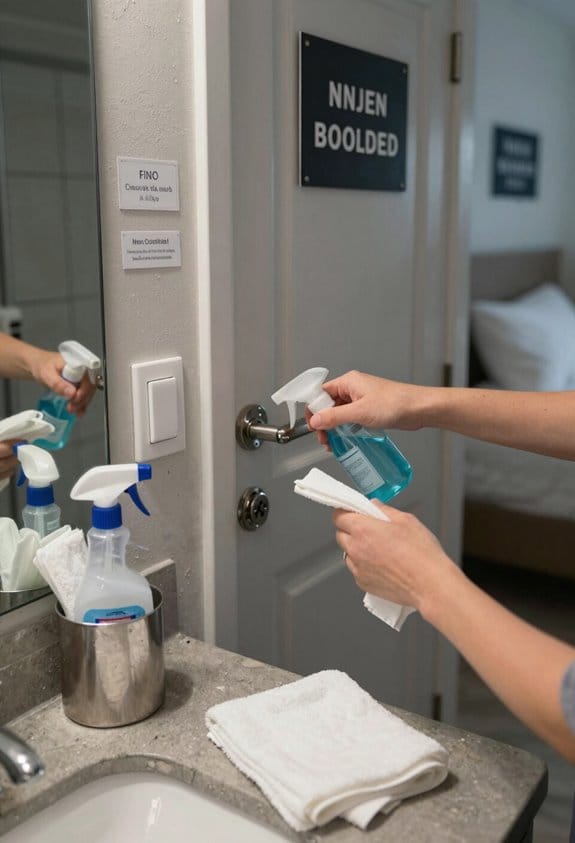
Managing shared spaces at home during a COVID-19 situation can feel overwhelming. It’s all about being smart and strategic to keep everyone safe. With a little planning, you can make it work.
Start by carving out a specific area for the person who’s isolating. If you can swing it, try to arrange for a separate bathroom. This step alone cuts down on contact and helps everyone feel a little bit better. Keep a distance of at least six feet whenever you can. It may seem like a lot, but it’s crucial. Boost ventilation too. Open windows or turn on fans in shared spaces. Fresh air can go a long way in keeping things safe.
Next, let’s talk cleaning. High-touch surfaces are like magnets for germs. Make sure to regularly disinfect things like doorknobs, countertops, and electronics. Use the right cleaning products to be effective. Hand hygiene is your best friend. Wash your hands often, or grab some sanitizer when soap isn’t handy.
Sharing isn’t caring in this scenario! Dishes, towels, and linens should stay separate to prevent cross-contamination. Communicate with everyone in the house about the importance of minimizing contact. Keeping your distance from the person in isolation helps ensure everyone stays healthy.
In short, managing spaces when someone is sick takes effort, but it’s doable. Keep things simple, and follow these tips to create a safer home for everyone. Remember, it’s all about protecting each other. Stay safe!
Also, consider wearing protective eyewear with auto darkening technology if you are performing tasks that involve sparks or debris, to safeguard your eyes effectively.
Keep Hygiene Supplies Ready for COVID-19 Care
Caring for someone with COVID-19 at home can feel overwhelming, but having the right hygiene supplies ready can make all the difference. I’ve been there, and I learned that a little prep goes a long way in keeping everyone safe.
So, what do you need? First off, stock up on the essentials:
- Soap: Regular hand washing is key.
- Hand sanitizer: Make sure it has at least 60% alcohol.
- Disinfectant wipes: Use these on high-touch surfaces multiple times a day.
- Masks: Keep plenty handy; they really help reduce the spread of the virus.
Now, let’s talk cleaning supplies. Have bleach or effective disinfectants ready to sanitize items around the house regularly. You might wonder how to efficiently keep everything tidy. Designate certain areas for cleaning supplies to streamline your routine.
Don’t forget waste disposal bags. They’re a must-have for safely discarding used tissues and any contaminated materials.
Also, it’s wise to keep some over-the-counter medications, like acetaminophen, in your first aid kit for symptom relief. This way, you’re ready for anything that pops up. Stock up on household items too. Aim for at least a 30-day supply of paper towels and toilet paper. Trust me, fewer trips to the store can reduce your risk.
In addition, having an emergency food and water supply on hand can provide peace of mind during extended isolation periods or disruptions.
To sum it up, keeping these hygiene supplies ready allows you to give effective care while minimizing risk. Preparing now ensures everyone in your home stays as safe as possible. You’ve got this!
Support Vulnerable Household Members During COVID-19
Many of us know someone who is considered vulnerable during this pandemic. Maybe it’s an elderly relative, a friend with pre-existing health issues, or even someone with a compromised immune system. It’s tough to watch them face a higher risk of severe illness from COVID-19. So, what can we do? Here are some practical tips that can really make a difference.
First, ensure they have easy access to essential supplies. Think food, medications, and sanitation products. Stocking up on these items not only makes life easier but also minimizes their exposure to others.
Next, communication is key. Encourage everyone in the household to share any symptoms or possible exposure to the virus immediately. This way, it’s easier to take action quickly—like isolating someone who feels unwell.
If you have the space, try to set up separate living areas and bathrooms for vulnerable household members. This helps reduce contact and keeps everyone a bit safer.
Don’t forget about health monitoring. Check in regularly on their well-being and ensure they can reach healthcare providers when needed.
Lastly, emotional support is crucial. Be there for them, whether it’s a chat or just spending time together. Reinforce the importance of safety guidelines—cooperation is vital.
Additionally, if household members must care for someone exposed to infectious agents, using proper respiratory protection like respirators designed for chemical and biological hazards can reduce the risk of transmission.
Taking these steps can greatly help protect those vulnerable household members from the risks associated with COVID-19. Let’s look out for each other and make sure everyone’s needs are addressed during these challenging times.
Frequently Asked Questions
How to Properly Quarantine at Home With Family?
Like a well-oiled machine, our home quarantine thrives on isolation strategies and clear family communication. We clean surfaces, limit shared spaces, plan meals, monitor symptoms, provide emotional support, stock safety supplies, and organize activities to keep spirits high.
What Steps Must Be Followed for Protective Isolation?
We follow isolation protocols using protective gear, limit contact, and use designated areas. We monitor symptoms, maintain household hygiene, provide emotional support, set communication plans, share responsibilities, and keep emergency contacts ready to stay safe together.
What Three Precautions Would You Take if You Were Helping a Resident Who Has Symptoms of a Respiratory Illness and Is Suspected to Have Influenza?
When Mrs. Lee showed flu symptoms, we used protective equipment like masks and gloves, practiced strict hygiene by frequent handwashing, and followed isolation protocols. We also emphasized symptom monitoring and family education to support recovery and wellbeing.
What Precautions Should Be Followed to Prevent Cross Contamination of Patients When a Disease Process Has Been Diagnosed by a Healthcare Provider?
To prevent cross contamination, we follow infection control by enforcing isolation protocols, using personal protective equipment, ensuring strict handwashing practices, patient hygiene, surface disinfection, proper waste disposal, improving air quality, and applying visitor restrictions consistently for safety.


