As an Amazon Associate, we earn from qualifying purchases. Some links on this site are affiliate links at no extra cost to you. Our recommendations are based on thorough research and editorial judgment.


Hygiene Without Running Water: A Practical Apartment Routine

Water access can be tricky, especially if you’re living in an apartment without easy access to running water. Let’s break this down into a routine that keeps you clean and feeling good.
You may be interested


Start by storing at least one gallon of water per person each day. It sounds like a lot, but it’s essential. Make sure to use food-grade containers, and don’t forget to replace that water every six months.
For personal hygiene, sponge baths are a lifesaver. Focus on the essentials: your face, underarms, and groin. Use soapy water for the best results. If you’re in a pinch, those no-rinse wipes work wonders too.
Need a fix for greasy hair? Dry shampoo is your best friend. And let’s not overlook hand sanitizers — they’re vital for keeping germs at bay.
When it comes to daily living, conserve your water. Here are some tips:
- Opt for disposable dishware to cut down on washing up.
- Manage your toilet usage. Try to flush minimally to save water.
- Keep a wastebasket handy for used paper.
Creating a structured daily routine can boost your hygiene game. Stick to this habit, and you’ll feel cleaner and healthier, no matter how tight your water situation might be.
Staying clean in a pinch is totally doable. With a little effort and planning, you can maintain great hygiene without running water.
Key Takeaways
- Stockpile at least one gallon of water per person daily using food-grade containers and replace it every six months for hygiene needs.
- Perform daily sponge baths focusing on face, underarms, and groin with a basin of soapy water and damp washcloths for effective cleanliness.
- Use no-rinse wipes, hand sanitizers, and dry shampoo to maintain personal hygiene when water is limited.
- Employ disposable dishes and soak utensils in minimal water to reduce washing and conserve resources.
- Avoid flushing toilet paper to save water; instead, use a wastebasket and natural deodorizers like baking soda and vinegar.
Prepare and Store Water to Manage Hygiene Without Running Water
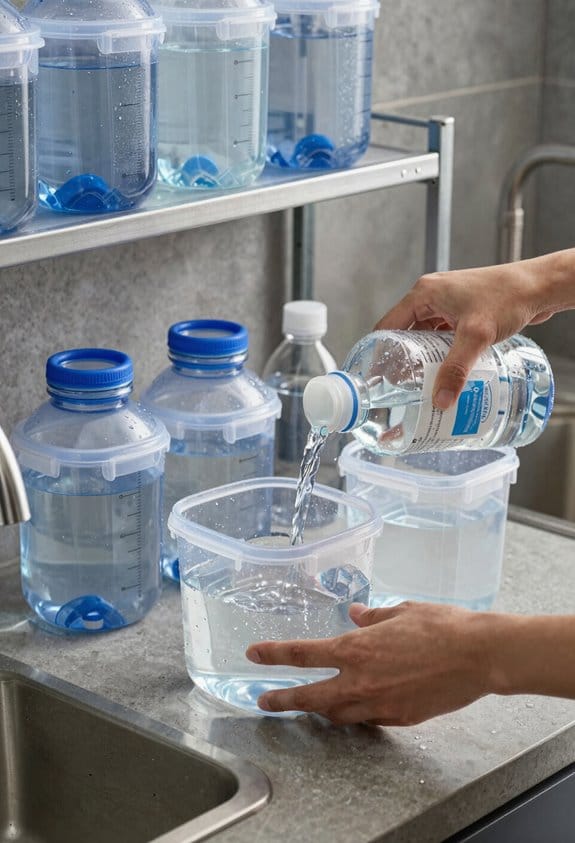
Imagine waking up one morning to find that the water’s been shut off. It’s a jarring thought, right? That’s why it’s essential to be proactive about storing water for drinking, cooking, and maintaining hygiene.
To kick off your preparations, here’s a straightforward plan:
- Aim to stockpile at least one gallon per person each day.
- Use food-grade containers to ensure your water stays safe and free from contaminants.
- Don’t forget to replace your stored water every six months to keep it fresh and usable.
You might wonder how to gather more water. Rainwater collection is a fantastic option! Set up clean barrels with covered openings to capture rainwater, which can greatly reduce your reliance on municipal supplies.
Now, before a potential water shutoff hits, think about filling your bathtubs, sinks, and buckets. This simple move maximizes your available water for hygiene. Also, let’s talk purification. Reliable methods like LifeStraw or pool shock treatments can keep your collected water safe to use.
Following these steps creates a solid water storage strategy, ensuring that you can keep up with your personal hygiene—even when running water is a distant memory. Stay prepared and prioritize your wellbeing! Choosing containers that are BPA-free and food-grade guarantees that your stored water remains safe for consumption over time.
Recommended Products

BEAUTIFUL DESIGN: Sleek, high-tech styled design with stainless steel exterior Improved condenser fan provides quiet operation

High Output, Air-Cooled System: Produces up to 260 lb of H2 Nugget Ice in 24 hours, which can lead to a reduction in energy usage compared to lower capacity, less efficient models.

MAXIMIZE ICE PRODUCTION: This air-cooled commercial ice maker machine is capable of producing up to 470 lbs. of ice in 24 hours, ensuring consistent supply even during peak demands in your business.
Master Sponge Baths and Dry Hygiene Without Running Water
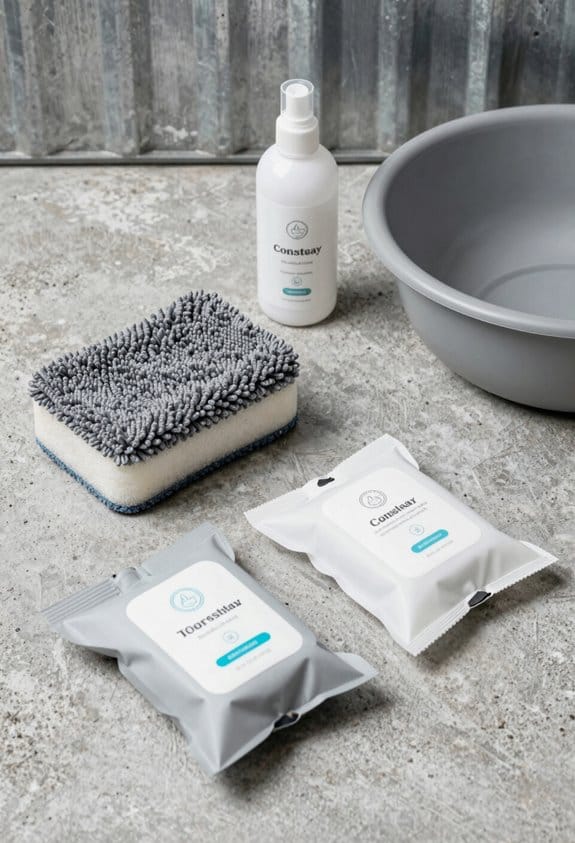
Maintaining personal hygiene without running water might sound tricky, but trust me, it’s doable. Sponge baths can save the day when traditional methods aren’t an option. Here’s how to do it effectively:
- Gather Your Supplies: Find a basin, some liquid castile soap, a damp washcloth or sponge, and a few no-rinse body or baby wipes.
- Sponge Bath Technique: For your sponge bath, fill that basin with a small bit of water mixed with the soap. Focus on key areas: your face, underarms, and groin. This way, you’re getting rid of dirt and oils while conserving water.
- Quick Clean with Wipes: When you’re in a hurry or don’t have access to water, no-rinse wipes are a lifesaver. They make it easy to keep clean without needing to rinse off after.
Let’s be real: sticking to a routine is crucial when you’re relying on these methods. Consistently incorporating sponge baths and dry hygiene practices will help you feel fresh and supported, especially during longer stretches without running water. Keeping this up not only promotes cleanliness but can also help your mental well-being. Choosing wipes with germ-killing efficiency can enhance your hygiene even further by effectively reducing bacteria.
Recommended Products

Boho-Style Comfort: The U-shaped PE rattan backrest cradles your body with built-in lumbar and arm support, reducing fatigue through long meals and lively conversations. Its natural woven look and relaxed boho aesthetic add warmth and character to any patio or deck. Spacious 19.3" x 17.3" seats support up to 350 lbs—comfort that lasts from weekday dinners to weekend celebrations

【Large Capicity】Hakka electric meat mixer constructed of thicken and superior stainless steel, which equips 60L in empty tank and powerful motor. The mixing capacity is 85.8-121lb/39-55KG. The mixing meat capacity depends on the meat's size and what you fill the other material such as water, seasonings or vegetables.
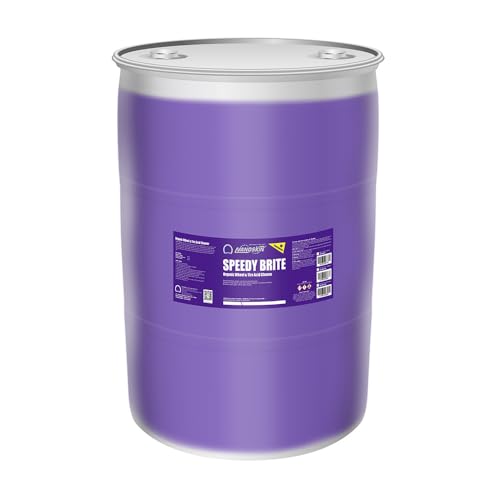
✅ CONCENTRATED WHEEL & TIRE CLEANER: Dilutable up to 4:1. Add 6 oz. of SPEEDY BRITE to a 32 oz. spray bottle or 1 gallon to a 5-gallon dispensing tank. Functions as a wheel cleaner and rim cleaner for car cleaning kits.
Use Alternative Cleaning Products for Personal Hygiene

Running water isn’t always a given, right? So, let’s talk about how we can keep ourselves clean and healthy without it. Trust me, waterless options can do wonders for our personal hygiene.
First off, hand sanitizers and waterless soaps are lifesavers. They work wonders in times when you can’t just hop in the sink. Homemade wet wipes are also super easy to make. Just grab some paper towels, mix in liquid soap and a few drops of essential oils, and you have a soft, antimicrobial cleaner at your fingertips.
Then there’s baking soda and apple cider vinegar. These natural solutions pack a punch against germs. They’re skin-friendly too, which is great for everyday cleaning. And don’t forget about dry shampoo. It’s perfect for those hair days when you need to soak up oils without a shower.
Now, it’s really smart to prepare ahead of time. Consider keeping a stash of antibacterial wipes, baby wipes, and hand sanitizers at home. For longer-lasting supplies in emergency situations, it’s useful to choose products with proper packaging durability that maintain their effectiveness over time.
Manage Household Hygiene: Dishwashing and Toilets Without Running Water
Running water can be a luxury, but keeping your home hygienic is still a must. So, how do you tackle dishwashing and bathroom upkeep when water is scarce?
First, let’s talk about dishes. Consider using disposable plates, cups, and utensils whenever you can. It might feel a bit wasteful, but it cuts down on the need for washing. When you do need to wash, try this:
- Soak them in a container with just a little bit of water.
- Plan your meals to use fewer dishes. Think one-pot wonders!
Now, onto the bathroom. Toilets can be a bit tricky without running water. Here’s a smart approach:
- Avoid flushing toilet paper. Use a wastebasket instead.
- Flush liquids daily, but only flush solids occasionally to save water.
- Recycle water by using what’s stored in the toilet tank. Pour it directly into the bowl to make every flush count.
Keep things fresh! For cleaning, natural deodorizers like baking soda or vinegar work wonders. They’ll keep odors at bay without needing extra water.
When dealing with harsh cleaning agents like bleach, it’s important to use NIOSH-approved respirators to ensure safety from harmful vapors.
Staying clean while being mindful of water use can be done! By following these simple tips, you can maintain hygiene without the constant need for running water. Each step makes a difference, so give them a try!
Recommended Products
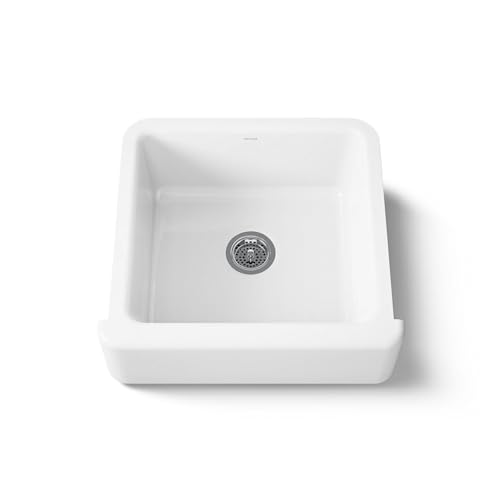
Compact Farmhouse Design: Features a single 9" deep basin, perfect for small spaces while still accommodating pots and pans with a sloped bottom for efficient draining and cleanup

Superior Durability: Crafted from premium T304 stainless steel, MILOSEN black drop in double bowl kitchen sink boasts exceptional strength and longevity. The 16-gauge construction ensures it is resilient against daily wear and tear, making it the ideal stainless steel sink for your kitchen

Spacious & Stylish Single Bowl Design:This 33 inch drop in kitchen sink offers ample space for large cookware. The matte black stainless steel finish adds modern elegance, complementing any kitchen style
Create a Simple Daily Hygiene Routine for Everyone
Living without running water can feel challenging, especially when it comes to staying clean. But don’t worry – I’ve got a practical daily hygiene routine that’s super easy for everyone in the household to follow.
Start your day off right with a sponge bath. Grab a damp washcloth and some soap, then clean the key areas of your body. This quick method not only keeps you fresh but also saves water. During those busy moments, wet wipes are a lifesaver for a swift clean-up. And don’t forget about hand sanitizer! Keep a bottle handy to use before meals and after you’ve visited the restroom. It’s a simple way to keep your hands germ-free.
Hair care doesn’t have to be complicated either. Use dry shampoo to spruce up your hair without having to wash it every day. It’s amazing how refreshed you can feel!
Don’t let your living spaces go neglected. Regularly clean your home and personal items with natural solutions like baking soda and vinegar. These ingredients are effective and eco-friendly, ensuring that your environment stays clean and healthy.
With this routine, you’ll balance staying clean and being resourceful. It’s all about making the best of the situation. Embrace these tips and remember, small efforts lead to big changes in your hygiene routine! For added protection during cleaning or other chores, consider using adjustable safety glasses to shield your eyes from debris and irritants.
Frequently Asked Questions
How to Maintain Hygiene Without Water?
We use hand sanitizer, wet wipes, dry shampoo, and body powder daily. Essential oils, moisturizing lotion, and disinfectant spray keep us fresh. Toothpaste tabs and a portable bidet help hygiene, while air fresheners maintain a pleasant space.
How to Clean a House With No Running Water?
Who knew no water meant we’d master sanitation solutions with dry cleaning, wet wipes, and portable toilets? Let’s focus on dust removal, odor control, eco-friendly products, air fresheners, and prep tips—alternative methods keeping us fresh and sane!
How to Shower When You Have No Running Water?
When we have no running water, we rely on portable shower solutions, sponge bath techniques, and creative cleansing methods like waterless body wash and dry shampoo. Using body wipes, essential oil alternatives, and travel-sized hygiene kits keeps us fresh effortlessly.
How to Clean Yourself if You Have No Water?
Let’s leap into low-water living! We’ll rely on wet wipes, dry shampoo, and hand sanitizer for freshness. Portable bidets, sponge baths, body wipes, deodorant spray, foot soaks, and travel toiletries tackle facial cleansing and more.


