As an Amazon Associate, we earn from qualifying purchases. Some links on this site are affiliate links at no extra cost to you. Our recommendations are based on thorough research and editorial judgment.

Planning Meals When Water Is Limited (Low-Water Cooking Strategies)

When water’s in short supply, choosing ingredients that don’t need much rinsing or cooking water is a game-changer—think canned beans, frozen veggies, or dried lentils.
You may be interested



Here’s the thing: cooking methods like steaming with less than a cup of water, making one-pot meals, or roasting veggies wrapped in foil save tons of water *and* energy.
Planning meals around plant-based staples like cabbage and tofu can seriously cut down your water use, too.
These tricks don’t just conserve resources—they keep your food tasty and your cleanup minimal.
If you want to dive deeper, there are plenty of recipes and tips that make cooking with less water surprisingly easy.
Key Takeaways
- Cook pasta in sauce or stew to save water and enhance flavor while minimizing water usage.
- Choose water-friendly ingredients like plant-based foods, tofu, and dried legumes to reduce water consumption.
- Use efficient cooking methods such as steaming with minimal water, single-pot meals, grilling, or roasting.
- Incorporate dried foods and dehydrated ingredients that require little to no additional water for preparation.
- Plan meal prep and cleanup strategies that minimize water waste, like one-pot dishes and limited utensil use.
Why Water Conservation Is Key to Sustainable Cooking
Water is a major player in cooking, but we often forget how much of it goes to waste. Here’s the thing: saving water in the kitchen isn’t just about being eco-friendly—it actually makes your meals more efficient and can even enhance flavors. Take pasta, for example. Instead of boiling it in a giant pot of water that you’ll toss afterward, try cooking the noodles right in your sauce. Not only does this method save gallons of water, but it also lets the pasta soak up all those delicious flavors. Steaming veggies with just a splash of water—a half cup or less—is another simple trick that keeps nutrients locked in while using way less water. And if you like making soups or stews, go for recipes that start with dried beans or grains; they absorb water slowly, so you use exactly what you need without the extra drain on resources. But here’s what surprised me: you can whip up tasty, satisfying meals even with stoveless or low-water methods, like slow-cooker dishes or salads with soaked grains. Using water wisely in your cooking routine means you’re taking care of a precious resource without sacrificing your favorite meals. When planning for emergencies, selecting meals with long shelf life and simple water preparation ensures efficiency and preparedness.
How to Choose Water-Friendly Ingredients

Choosing ingredients that don’t guzzle water is a game-changer for cooking smarter. Here’s the thing: veggies, grains, and fruits use way less water than animal products. Take beef, for example—it takes almost 40 times more water to produce a kilo of beef than the same amount of vegetables. Swap in water-friendly staples like cabbage or cauliflower—they’re super versatile and can easily replace ingredients that drain more water. When you’re meal planning, think plant-based—products like tofu or tempeh are solid substitutes for beef and keep water use low. Focusing on these smart ingredient choices helps you cut down water use without sacrificing flavor or nutrition. Next time you’re at the store, try picking up something that’s kinder to the planet and your plate. Just like selecting the right tools for race safety, making informed choices based on certifications and standards ensures you get the best results with less waste.
Cooking Techniques That Use Less Water and Energy

Cutting down on water and energy in the kitchen doesn’t just help the planet—it makes cooking way easier. Here’s the thing: instead of boiling your pasta in a huge pot of water like usual, try cooking it right in the sauce with just about a cup and a half of water—you’ll save a ton of water and get a richer flavor. When it comes to veggies, steaming is the way to go; it uses less than a cup of water, way less than boiling, plus it keeps everything crisp and fresh. Single-pot meals are another game-changer—they mean fewer dishes to wash and less water wasted cleaning up. And if you want to skip water altogether, methods like grilling, roasting, or braaing are perfect since they rely on dry heat and save energy. But here’s what surprised me: cooking with freezer bags is a smart hack for keeping foods hydrated without soaking them in water. Try these tricks next time you cook—you’ll cut back on waste without sacrificing taste. In emergency situations, having access to a Fireproof Document Bag can ensure important meal planning documents and recipes remain safe and accessible.
How Dried Foods Help You Save Water
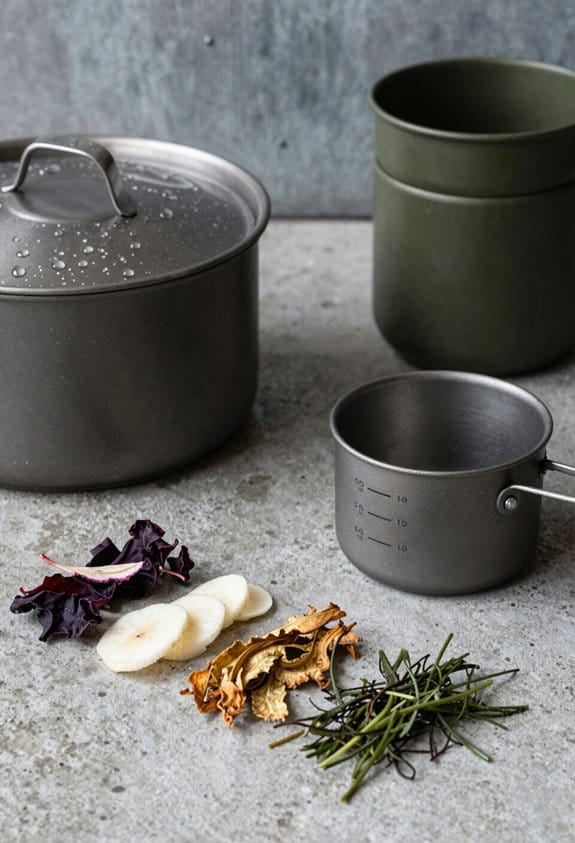
Dried foods are a total game-changer when it comes to saving water in the kitchen. Here’s the thing: fruits, veggies, and grains that have been dried need way less water to grow and prep than their fresh counterparts. Take dried apricots or sun-dried tomatoes, for example—they pack a punch in flavor but don’t require endless watering or washing before you eat them. When you’re ready to cook, you only need a small splash of water—sometimes just a quarter cup—to bring them back to life, skipping the long soak or rinse that fresh beans demand. Speaking of beans, dried lentils and chickpeas are water-friendly heroes, too. Unlike fresh legumes, which often need hours of soaking plus lots of boiling water, dried versions cut down on water use without sacrificing nutrition. And don’t forget about dehydrated meals like instant soups or stews—just add boiled water, and you’re good to go. So, if you want to cut back on water without losing flavor, turning to dried foods is an easy, smart way to do it. Many dried foods also offer long shelf life, making them ideal for emergency preparedness and low-resource cooking scenarios.
Easy Low-Water Recipes Using One Cup or Less Water
Saving water while cooking doesn’t have to mean sacrificing flavor or nutrition. Here’s the thing: roasting or grilling veggies like bell peppers, zucchini, and asparagus not only uses zero water but also amps up their natural sweetness. For a quick mushroom, spinach, and cheddar frittata, you can steam or lightly moisten the ingredients with just a cup of water right in the same pan—less mess, more yum. Instead of boiling pasta in a ton of water, try cooking quick-cook grains like quinoa or lentils that you soak in advance; they soak up water without needing a big pot. And when making salads, just wipe your greens clean instead of rinsing them under the tap to keep water use super low. These small tweaks add up to big savings in the kitchen without skimping on taste. Using compact water treatment methods such as Aquamira products ensures that limited water supplies remain safe for consumption during extended low-water cooking practices.
Easy Ways to Waste Less Water When You Cook
Cutting down on water waste in the kitchen doesn’t mean you have to overhaul your whole cooking routine. Here’s the thing: when cooking pasta, you can slash your water use from five quarts down to just about one and two-thirds quarts by cooking it right in the sauce. Not only does this save water, but it also amps up the flavor. Instead of boiling veggies in a giant pot that guzzles over 100 gallons of water a year, try steaming them with less than a cup of water—it’s faster and way more efficient. One-pot meals are another game-changer; fewer pots mean less water wasted washing up. And if you’re roasting veggies, wrapping them in foil or parchment paper cuts down on water use and makes cleanup a breeze. By switching up just a couple of these habits, you’ll save a ton of water without messing up your favorite recipes. For longer-term storage, consider using airtight food storage to maintain freshness and reduce waste.
Planning Balanced Low-Water Meals
Planning meals that save water doesn’t mean you have to sacrifice flavor or nutrition. Here’s the thing: choosing veggies like carrots or squash and grains like quinoa or barley can make a big difference because they need way less water to grow—and cook! Instead of boiling everything, try steaming your greens or sautéing them quickly; it cuts down on water waste and keeps that fresh taste. When you’re cooking pasta, don’t fill the pot with five quarts of water—one or two will do just fine if you keep it moving. But here’s what surprised me: cooking meals en papillote (that’s wrapping food in parchment or foil and baking it) not only locks in moisture and flavor but also slashes cleanup since you don’t need extra water for scrubbing. One-pot dishes and fresh salads are also winners—they require little rinsing and save water while letting you throw together colorful, tasty plates. Give these tricks a shot, and you’ll be making delicious, water-smart meals with less hassle. Using a non-slip silicone mat can also help keep your workspace clean and reduce water used for cleaning spills during meal prep.
Frequently Asked Questions
What Is the 2 2 2 Rule for Food?
Like building a balanced puzzle, the 2 2 2 rule means two servings each of protein, vegetables, and whole grains per meal types. By following it, we’re supporting water conservation while crafting nutritious, efficient meals together.
Which Cooking Method Uses the Least Amount of Water?
We find steaming techniques use the least amount of water since they require less than a cup. Dry roasting uses no water at all, making both great for conserving water while still preparing delicious meals.
How to Prep for a Water Shortage?
We can prep for a water shortage by focusing on water conservation and meal alternatives like no-cook salads, wraps, and canned goods. Choosing dried ingredients and simple steaming helps too, ensuring we use water wisely while enjoying nourishing meals.
How Can You Use Less Water When Cooking?
We can use less water when cooking by choosing sustainable ingredients and dry cooking methods like roasting or sautéing. These techniques reduce water use, help preserve nutrients, and save energy, making our meals eco-friendly and tasty.


