As an Amazon Associate, we earn from qualifying purchases. Some links on this site are affiliate links at no extra cost to you. Our recommendations are based on thorough research and editorial judgment.


Urban First Aid Priorities: The Most Likely Injuries in City Disasters

Urban disasters can hit fast and hard. You don’t have time to panic. When faced with severe bleeding, your first move should be to control it quickly. Direct pressure works wonders, and in critical cases, a tourniquet can be a lifesaver—especially with gunshot wounds.
You may be interested

Now, let’s talk about breathing. In the aftermath of blast injuries, check airways right away. It’s a top priority. While you’re doing that, don’t forget about splinting any fractures to stop further harm.
Soft tissue wounds? Clean them up and cover them promptly to help prevent infections.
But wait, there’s more. We often overlook the emotional side of disasters. People can be just as psychologically impacted as they are physically. Offer calm reassurance. Keep an eye out for signs of distress.
Effective communication is key. You should be able to relay what’s happening and get the patient transported quickly. Trust me, knowing these priorities can improve your response during city disasters.
Stay safe out there, and remember: preparation makes all the difference when every second counts.
Key Takeaways
- Rapid identification and prioritization of injuries are critical due to mass casualties in urban disasters.
- Bleeding control, especially from gunshot wounds, is vital with direct pressure or tourniquets to prevent life-threatening blood loss.
- Blast injuries require assessing breathing, airway clearance, internal damage, and stabilizing fractures to prevent complications.
- Psychological first aid supports mental health, focusing on safety, reassurance, and preventing long-term trauma in victims.
- Effective communication between responders and hospitals improves triage, transport, and overall survival rates during urban emergencies.
Recognizing First Aid Needs in Urban Disasters

Urban disasters hit hard and fast. The chaos that follows can be overwhelming, and knowing how to provide first aid in these situations is crucial.
Mass casualties are often the reality. In the middle of it all, prioritizing care is imperative. Here’s what to keep in mind:
- Blast Injuries: These come in different forms—primary, secondary, and tertiary. They can lead to severe trauma. Assess quickly and act efficiently.
- Gunshot Wounds: Time is of the essence here. A rapid assessment can save lives. Focus on stopping any significant bleeding.
- Lacerations and Soft Tissue Injuries: Debris can cause complex damage. Manage these effectively to prevent infection and other complications.
You might wonder about the emotional toll as well. The stress after a disaster, especially for children and vulnerable folks, is often intense. It’s not just about fixing physical injuries. Provide calming support while you tend to their physical needs.
Don’t forget the peripheral nerve injuries. Identifying these early can help reduce long-term disabilities and improve recovery outcomes.
Creating a first aid plan for urban disasters means combining physical care with mental health support. It’s about being ready for anything—because you never know what you’ll face next.
In these situations, quick cleanup of hazardous spills with absorbent pads is vital to prevent further harm and contamination.
Stay prepared, and remember that every action counts during these critical moments. Let’s make sure we’re ready to help out when it matters most.
Stopping Bleeding and Managing Gunshot Wounds

Gunshot wounds can be terrifying. Knowing how to stop bleeding when they occur isn’t just lifesaving—it’s essential. Blood loss can escalate quickly, putting someone in serious danger. That’s why immediate action is crucial.
Start by applying direct pressure over the wound. Use clean cloths or dressings to do this. Press firmly and don’t let up. If the bleeding continues, it’s time to consider a tourniquet. Place it above the injury to clamp down on the blood flow. This may sound intense, but it can be the difference between life and death.
When dealing with these injuries, assessing the severity is key. The Gustilo-Anderson classification can help here. Knowing whether to rush to a hospital or administer first aid can guide your response and potentially save a life.
Think about this: gunshot injuries account for around 22% of urban disaster casualties. That’s a significant number. It underscores why public training in bleeding control techniques is so important. If more people know how to handle these situations, survival rates increase.
Using protective gear with slip-resistant features can help first responders maintain stability while administering aid in chaotic environments.
Providing First Aid for Blast Injuries in Collapsed Structures

After managing bleeding from gunshot wounds, the focus shifts to the chaos of blast injuries, especially in collapsed buildings. These injuries don’t hold back; they often target gas-filled organs like your lungs and ears. So, what’s the first step? Assess for any breathing problems and check for signs of internal damage.
You should also be on the lookout for secondary injuries from shrapnel and tertiary injuries from blunt trauma. Believe me, it’s crucial to check for head and spinal injuries—those can change everything. Start by ensuring the person’s airway is clear, help control their breathing, and keep circulation steady. Shock can set in fast due to trauma or rapid decompression, making vigilance key.
Let’s be real: we can’t overlook the mental impact of such trauma, especially on kids who might not understand what’s happening. Offer words of reassurance where you can. Your goal is to conduct a quick yet thorough evaluation, all while readying for advanced medical care. Focus on stabilizing those critical functions—it’s a tough job, especially in unpredictable urban disaster situations.
In the end, keeping it cool and focused can make all the difference when every second counts. Your awareness and quick action could save lives. So be prepared and stay sharp; you never know when you’ll need these skills. Using antibacterial wipes to maintain hand hygiene can help reduce infection risks during such emergencies.
Stabilizing Fractures and Soft Tissue Injuries Quickly
Urban disasters can hit hard and fast, often leaving us to deal with multiple fractures and soft tissue injuries. I’ve been in situations where every second counts. First things first, we need to stabilize those fractures. This isn’t just about keeping the limb still; it’s about alleviating pain and preventing further harm.
Here’s what I do:
- Grab a splint or any sturdy material nearby. Think wooden boards, rolled-up newspapers, or even a sturdy piece of cardboard.
- Secure the injured limb, but don’t be too tight. We don’t want to cut off circulation.
Now, soft tissue injuries are next on the list. They can get messy quickly, so it’s crucial to clean up any wounds you can manage to minimize infection risks. Follow this simple plan:
- Use water or saline to rinse the area gently.
- Cover the wound with a sterile dressing.
- Apply direct pressure to control any bleeding, applying more bandages if needed.
When assessing limb injuries, make those quick evaluations your priority. Untreated fractures can lead to complications, including lasting damage or even loss of a limb. My takeaway? Always have basic first aid supplies handy—splints, dressings, and other essentials.
Acting swiftly and effectively in these chaotic scenarios is vital. It can truly make a difference, potentially saving lives and maintaining function. Always be prepared, and you’ll feel more confident facing any crisis that comes your way. Additionally, having access to multiple charging options can help ensure your emergency communication devices stay powered during urban disasters.
Offering Psychological First Aid After Urban Disasters
Urban disasters hit hard, and while we often rush to treat physical injuries, there’s another battle quietly being fought. Psychological first aid (PFA) is just as crucial in those chaotic first moments. It’s not just about bandaging wounds; it’s about tending to the invisible scars that many carry with them.
You might wonder what this looks like in practice. PFA revolves around three key things: safety, comfort, and clear communication. By creating a calming presence, we can help survivors start to cope with the turmoil around them. Look for signs of distress. Are people showing anxiety or signs of shock? Children are typically more vulnerable, and they may need extra care and attention.
So, how do we support these individuals?
- Offer calm reassurance.
- Avoid pressuring them to share their feelings.
- Encourage basic needs like water and shelter.
Our goal is to cultivate an environment that’s conducive to healing. It’s essential for first responders and volunteers to receive training in PFA. This helps lessen the long-term fallout, like PTSD, that can arise after a disaster.
Truth is, swift action combined with empathy can make a real difference. The more we support each other, the stronger our communities become, fostering quicker emotional recoveries.
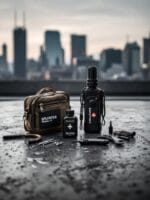
In the face of a disaster, let’s not forget the power of kindness and active listening. Those simple gestures can truly transform how we heal together. Having access to a well-organized trauma kit bag equipped with essential supplies also supports effective emergency response by addressing immediate physical needs.
Communicating Effectively and Arranging Rapid Patient Transport
Urban disasters are chaotic. The stakes are high, and every second counts. When emergencies hit, effective communication and quick patient transport become lifesavers. If you’ve ever tried to get help in a busy city, you know how frustrating it can be. Imagine if there was a universal emergency number that made calling for an ambulance easy, regardless of where you are. That’s something we really need to push for.
Right now, the way our emergency systems work mostly connects dispatchers and drivers. This setup creates a bottleneck, slowing down vital information between ambulances and emergency rooms. To really up our game, we need all emergency staff to go through standardized training that focuses on urban disaster protocols. This isn’t just a nice idea; it could make a big difference.
What can we do to enhance communication? Here are some thoughts:
- Invest in mobile communication tools that link responders directly to hospital emergency rooms. This will allow for real-time updates on patient conditions.
- Make sure all personnel can share crucial information instantly.
- Ensure resource needs are communicated without delay.
For patients, rapid transport is key. Timely treatment can significantly reduce trauma complications. It’s essential for us to maintain clear communication channels from the disaster site to the hospital to minimize any delays. Additionally, having a comprehensive survival kit readily accessible at urban disaster sites can provide immediate medical aid before transport arrives.
Preparing for Mass Casualty Incidents in Cities
Living in a city comes with its fair share of challenges, and one of the biggest is the risk of mass casualty incidents. High population densities make it imperative that we step up our game with first aid strategies specific to urban settings. Let’s talk about why this is crucial.
First off, it’s all about triage. Quickly identifying and prioritizing victims, especially those seriously injured—like gunshot and blast victims—is key. These individuals need specialized care, and we can’t afford any delays.
Next, communication is everything. We need clear protocols between first responders and hospitals to make sure resources are allocated efficiently and patients get to safety without unnecessary delays.
So, what should our training focus on? Here are some priorities:
- Rapid Assessment: Learn to evaluate injuries quickly.
- Bleeding Control: Master techniques to stop bleeding fast.
- Airway Management: Know how to ensure breathing isn’t compromised.
Plus, we can’t overlook the emotional aftermath of such incidents. Integrating psychological first aid is vital, especially for vulnerable groups like children exposed to trauma.
By routinely practicing these skills, we improve survival rates and lessen suffering when mass casualty events strike our cities. Staying organized and maintaining a calm demeanor can make all the difference in an emergency. Utilizing adjustable illumination devices like lighted safety glasses can enhance visibility during low-light conditions, improving the effectiveness of first aid response.
Frequently Asked Questions
What Are the 5 Priorities of First Aid?
When disaster strikes like a sudden storm, our five first aid priorities are injuries prevention through severe bleeding control, airway management, shock treatment, wound care, and offering psychological support, ensuring we save lives and hearts together.
What Are the Three Priorities of First Aid?
It is understood that the three priorities of first aid techniques are securing the airway, ensuring effective breathing, and restoring circulation. Focusing on these helps us save lives quickly and efficiently while managing emergencies with confidence and care.
What Is the Top Priority for First Responders on the Scene of an Accident?
Safety swiftly stands as our supreme concern during emergency response. We start by securing the scene, safeguarding survivors and ourselves, so we can stabilize situations and save lives without added risk or panic in chaos.
What First Aid Is Provided to Victims of Disasters Who Are Injured?
We start with injury assessment to identify life-threatening wounds, control bleeding, and stabilize fractures. Then, we provide pain management and immobilization while monitoring breathing, ensuring victims receive thorough care until professional help arrives.


