As an Amazon Associate, we earn from qualifying purchases. Some links on this site are affiliate links at no extra cost to you. Our recommendations are based on thorough research and editorial judgment.


Smoke and Dust Exposure: Protecting Lungs During Fires and Earthquakes

When disaster strikes, like a fire or earthquake, our lungs often bear the brunt. I learned the hard way that protecting them is crucial. Simply throwing on a cloth or dust mask isn’t enough – we need to get serious about what we breathe in.
You may be interested


To do that, here are some tips to keep in mind:
- Wear well-fitted N95 masks. They filter out the fine particles that can really mess with your lungs.
- Skip the cloth masks. They don’t cut it in protecting us from harmful smoke and dust.
- Seal your windows and doors tightly to prevent outside air from sneaking in.
- Use HEPA air purifiers indoors. They can help clean the air you’re breathing.
- Stay informed about air quality. Tools like the EPA’s Fire and Smoke Map are essential.
- Don’t forget to have an evacuation plan ready just in case.
If you have any lung conditions, definitely stick to the advice your doctor gives you.
The stakes are high, and a little preparation goes a long way.
Taking these steps can truly make a difference when smoke and dust threaten our air quality. Let’s stay informed and protect our health!
Key Takeaways
- Use N95 respirators to filter at least 95% of smoke and dust particles during fires and earthquakes for effective lung protection.
- Seal doors and windows tightly, use HEPA air purifiers, and create clean indoor spaces to minimize smoke and dust inhalation.
- Monitor real-time air quality using AQI tools like EPA’s Fire and Smoke Map to decide when to stay indoors or evacuate.
- Prepare an emergency kit with medications, respirators, and communication devices, and establish evacuation plans with multiple exit routes.
- During cleanup, wear an N95 mask, wet down dusty areas, and avoid disturbance if you have lung or heart conditions.
How Wildfire Smoke and Dust Affect Lung Health
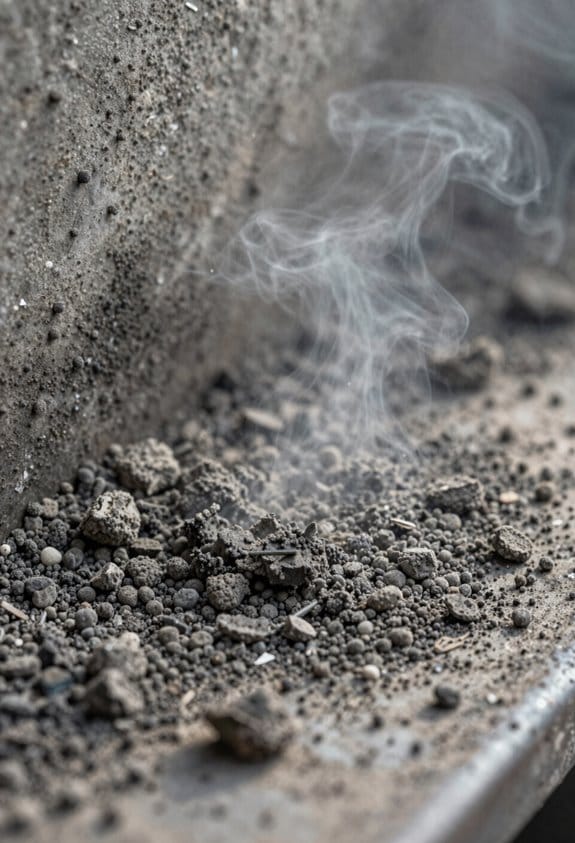
Wildfire smoke and dust can really mess with your lungs. I don’t say that lightly. When those smoke particles fill the air, they can sneak deep down into your respiratory system, leading to a whole mess of problems. You might notice coughing or feel short of breath, and it doesn’t stop there. Prolonged exposure raises your risk of heart disease, too. That’s something we need to take seriously.
So, how can we protect ourselves, especially those who are more vulnerable? Here are a few steps to consider:
- Keep an eye on air quality data. Check local resources or apps to stay updated on pollution levels.
- Wear a mask when necessary. Choose one that filters out fine particles to give your lungs a fighting chance.
- Limit outdoor activities during high smoke days. It might be tempting to go for that jog or walk the dog, but your lungs will thank you for staying inside.
- Ensure your indoor air is clean. Use air purifiers and keep windows closed on smoky days.
- Select masks with 95% filtration efficiency or higher to effectively block harmful smoke particles.
Recognizing Symptoms of Wildfire Smoke–Related Lung Problems
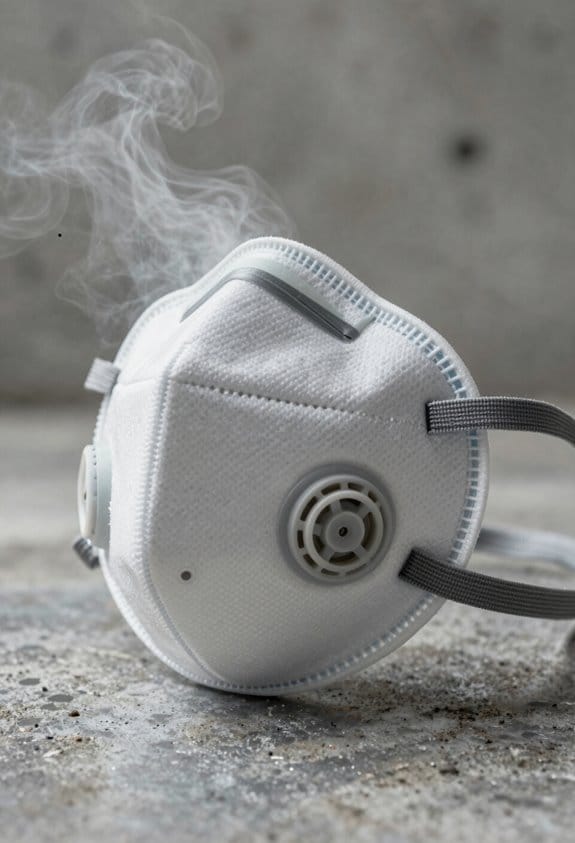
Wildfire season is no joke. If you’ve been among the smoky haze, you might have felt the toll on your lungs. Coughing, wheezing, or struggling to breathe? It’s not just an inconvenience, especially for kids, older folks, or anyone with pre-existing lung issues. Identifying these symptoms early can make a real difference.
Truth is, wildfire smoke can turn serious really fast—especially for those with asthma or COPD. The fine particles in the smoke don’t just hang in the air; they lower air quality and can lead to delayed symptoms like chest pain or feeling more short of breath than usual.
What should you watch for? Here are key signs to keep in mind:
- Persistent coughing
- Wheezing
- Difficulty breathing
- Confusion or numbness (this one’s crucial)
- Severe breathing trouble
If you or someone around you is experiencing any of these, don’t wait—get medical help right away.
Now, let’s talk prevention. Here’s how you can protect yourself:
- Wear an N95 respirator when air quality drops.
- Stay on the lookout for symptoms, even after the smoke clears.
- Limit outdoor activities when possible.
Remember to choose a respirator that is NIOSH approved to ensure maximum protection against harmful particles.
Being vigilant can save you from serious health issues tied to wildfire smoke. Trust yourself—acting quickly is important. You’ve got this!
Monitoring Wildfire Smoke Air Quality: Tools and Tips
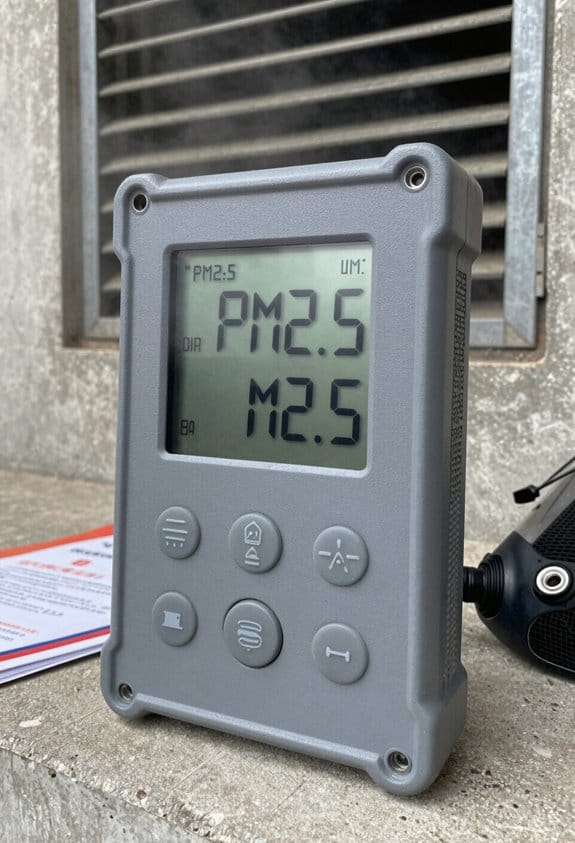
Wildfire smoke can turn the air into a hazy mess before you even notice it. It’s crucial to keep track of local air quality. One way to do this? Check out the EPA’s Fire and Smoke Map or AirNow. These websites offer real-time updates on the Air Quality Index (AQI) and focus on PM2.5—those tiny particles that can sneak into your lungs and cause problems.
So, what do those numbers mean? If the AQI falls between 101 and 150, that’s not great news for sensitive folks. It’s key to check these levels often, especially when wildfires are raging. Here’s what I do to stay informed:
- Monitor immediate readings for your area.
- Review regional forecasts. Smoke can shift quickly.
- Trust your instincts—smoke may linger even if you can’t see it.
The Environmental Protection Agency urges us to stay vigilant. By keeping an eye on wildfire smoke with these tools, we can act fast to protect ourselves and breathe a little easier. Wearing a 3M N95 Respirator 8511 can provide effective filtration against harmful fine particles like PM2.5.
To wrap it up, staying informed means staying safe during wildfire season. Let’s all do our part to ensure we maintain good air quality and reduce health risks.
Choosing the Best Masks to Protect Your Lungs From Wildfire Smoke
Wildfire season can be terrifying, especially when the air fills with smoke. It’s not just an inconvenience; it poses real risks to our lungs. I’ve learned that protecting ourselves goes beyond keeping an eye on air quality; it involves picking the right mask for the job and using it correctly.
The best option I’ve found is the N95 respirator. These masks filter out at least 95% of fine particulate matter—specifically those pesky PM2.5 particles that can settle deep in our lungs. You might think a simple cloth mask or a dust mask will do the trick, but honestly, they just don’t stack up against these tiny particles. It’s crucial to wear an N95 whenever the air quality index hits the unhealthy zone (151-200) or worse.
Fit matters, too. If your mask doesn’t seal well, smoke can sneak around the edges. This not only lowers the mask’s effectiveness, but it can leave you vulnerable to unhealthy air. Here are some tips for maximizing your mask’s performance:
- Ensure a snug fit with no gaps.
- Replace masks if they get damp or damaged.
- Keep extra masks handy during wildfire events.
When considering options, R95 respirators offer additional protection against some oil-based particles, which can be present in wildfire smoke.
Staying prepared makes all the difference. I always stash a few extra N95s when conditions worsen.
Let’s recap: when wildfires are burning, protect your lungs with an N95 mask. A good fit and quick replacements can make all the difference in keeping you safe. Stay informed and take care of yourself during these challenging times.
How to Make Your Home Safe From Wildfire Smoke
When wildfire season hits, it can feel like smoke sneaks into your life uninvited. But fear not! There are practical ways to keep your home safe and your air clean.
Start by sealing your doors and windows tightly. This simple step blocks those pesky smoke particles from entering your home. It’s all about creating a barrier. Next up, air purifiers with HEPA filters are your best friends. They effectively zap fine particles from the air, making it easier to breathe indoors. Don’t have a fancy purifier? No problem! You can put together a DIY air cleaner using a box fan and a MERV 13 filter. It’s an affordable hack that can really help.
Designating a clean room can also make a big difference. Choose an area in your home to limit your exposure to smoke, and ensure it’s ventilated with filtered air. Keep it cozy and inviting, since you may find yourself spending more time there during smoke events.
Air quality matters, so don’t forget about your HVAC filters. Regularly replacing them with high-efficiency models will keep your indoor air fresher. And let’s not overlook staying informed. Keep an eye on air quality reports and emergency alerts from resources like AirNow.
Using barricade tape can also help designate safe indoor areas or alert others to hazardous spots during wildfire or earthquake events.
Preparing an Emergency Kit to Protect Your Lungs During Wildfires
Wildfire smoke can be a real threat to our lungs, and having a game plan can make all the difference. Picture this: the sky darkens with ash and suddenly breathing feels heavy. But worry not—an emergency kit can help us tackle this issue head-on.
What should you pack? Here’s a quick breakdown:
- Respirator: An N95 mask is a must-have. It filters out harmful particles that come with wildfire smoke, helping you breathe easier.
- Medications: Stock up on at least a month’s worth of your meds, especially if you have asthma or COPD. Bad air can spike symptoms, and you don’t want to be caught without your inhaler.
- Air purifier: A portable unit or HEPA filter works wonders indoors. It helps clear the air, reducing your smoke exposure.
- Non-perishable food and water: Keep snacks and enough bottled water on hand. If you’re hunkering down, you’ll need to stay nourished and hydrated.
- Communication tools: A battery-powered radio or a backup charger can keep you in the loop about fire conditions and warnings. Staying informed is key.
It’s also important to use respirators that meet NIOSH safety standards for effective protection against harmful particles.
When wildfires hit, it’s crucial to have everything you need at your fingertips. Having an emergency kit ready can inspire confidence and keep you protected. So, put together your kit today. It could make all the difference when the smoke rolls in.
When and How to Evacuate Safely During Wildfire Smoke Events
Wildfire smoke events can hit hard, and knowing when to evacuate is crucial. Start by keeping a close eye on the air quality index (AQI). If it hits “Unhealthy” levels (AQI 151-200) or above, it’s time to think about leaving.
Having a solid evacuation plan in advance can make all the difference. Here’s how to prepare effectively:
- Identify multiple exit routes to ensure a quick escape.
- Sign up for local emergency alerts so you’re always in the loop.
- Check reliable sources like AirNow frequently for updates on smoke and air quality.
- Pack an emergency kit with essentials—don’t forget a good respirator to protect against smoke inhalation.
If you get an evacuation order, or if conditions worsen to “Very Unhealthy” (AQI 201+), don’t hesitate. Leave right away. Stay cautious of hazards like hot ash and debris; your safety always comes first.
Wearing a NIOSH-approved respirator can significantly reduce inhalation of harmful particles during wildfire smoke exposure.
Staying informed and prepared will help keep you and your loved ones safe during these tough situations. Trust your instincts, and don’t wait for the last minute to act. You’ve got this!
Managing Asthma and Lung Conditions During Wildfire Smoke Exposure
Wildfire season can be brutal, especially if you’re one of the many dealing with asthma or other lung issues. The truth is, the smoke from wildfires isn’t just a nuisance; it’s filled with tiny particles that can wreak havoc on your lungs. So, how do you stay safe when the air quality takes a nosedive?
First off, keep a close eye on the Air Quality Index (AQI). If it hits 101 or higher, that’s your cue to take action. Here are some steps you can take:
- Follow Your Action Plan: If you have a chronic lung condition, make sure you follow your written action plan.
- Talk to Your Doctor: Don’t hesitate to reach out to your healthcare provider. They might recommend adjusting your medications to cope with the smoke.
- Stay Indoors: When the smoke rolls in, your best bet is to stay inside as much as possible. Close windows and doors to keep the bad air out.
- Use Masks if Needed: If you have to step outside, wear a well-fitting N95 mask. It can help filter out harmful particles in the air.
- Watch for Worsening Symptoms: Be alert for any changes in how you feel. If symptoms escalate, seek medical help without delay.
Let’s not forget about vulnerable groups. Children, pregnant individuals, and those with heart or lung conditions need to be extra careful. Keeping them away from smoke exposure is crucial to protect their respiratory health.
In a nutshell, staying informed and prepared can make a big difference during wildfire smoke events. Keep a close eye on the AQI, stick to your action plan, and don’t hesitate to ask for help. You’ve got this! For those planning to spend time outdoors, choosing the right lightweight one-person tent with proper ventilation can also help reduce smoke exposure.
Practicing Safe Cleanup to Avoid Breathing Hazardous Wildfire Ash and Dust
Cleaning up after a wildfire can feel daunting, especially when you consider the ash and dust floating around. We’ve all heard stories about dangerous particles that can wreak havoc on our lungs, right? So, how do we protect ourselves while tackling cleanup?
First off, don’t skip the N95 respirator. This isn’t just a recommendation; it’s a must-have. It filters out those pesky airborne particles, keeping your lungs safe from wildfire ash and smoke. Trust me, your respiratory system will thank you.
Before you dive in, wet down the areas you’re about to clean. This simple step can drastically reduce dust, cutting down on the stuff you might inhale. Think of it as prep work that could save your health down the line.
If you have any respiratory issues or heart conditions, consider stepping back from cleanup duties. It’s not about being a hero; it’s about prioritizing your health.
And let’s not forget about hazardous materials – specifically, asbestos. If you suspect any may be present in the debris, don’t touch it. Disturbing it can release harmful fibers into the air, which is the last thing we need during cleanup.
In short, keep these safety steps in mind to protect your lungs while cleaning up after a wildfire. It’s all about making smart choices in a tough situation. Stay safe and take care of your health out there!
For the best protection, always choose a NIOSH-approved respirator that fits well and provides high filtration efficiency.
Reliable Resources for Protecting Your Lungs From Wildfire Smoke
Wildfire smoke is no joke. If you live in an area prone to wildfires, you’ve probably experienced that eerie haze in the air and felt your throat tighten. The good news? There are effective ways to protect your lungs.
First, keep an eye on the Air Quality Index (AQI). It’s essential to know when the air gets dangerous. Websites like AirNow provide updates, so you can check if it’s safe to step outside. When the AQI number creeps up, it’s time to reassess your plans.
Your outdoor activities need some limits. Opt for indoor hobbies instead. And if you have to go outside, don’t forget about N95 respirators. Regular masks won’t cut it; they let in those fine particles that are bad for your breathing.
How about your home? Here’s how to make your indoor air as clean as possible:
- Seal windows and doors tightly to keep smoke out.
- Invest in air filters rated MERV 13 or better.
- Consider HEPA air purifiers to grab those harmful particles floating around inside.
Vulnerable folks like children and the elderly should be extra careful. Their lungs can react more severely, so it’s best to create a safe haven for them indoors.
Stay updated and use these strategies to shield yourself from the health risks of wildfire smoke. Your lungs will thank you! Emergency preparedness also includes having portable sanitation options available to maintain hygiene during such events.
Frequently Asked Questions
How to Protect Lungs During a Wildfire?
We can protect our lungs during a wildfire by following wildfire safety tips: staying informed with air quality awareness, using effective masks, adhering to evacuation protocols, preparing emergency kits, and prioritizing smoke inhalation prevention and respiratory health measures together.
What Is the 30/30/30 Rule for Fire?
The 30/30/30 rule guides us in fire safety: if smoke obscures the sky for 30 seconds, we stay indoors 30 minutes to protect respiratory health, monitor air quality, use protective gear, and follow evacuation plans for emergency preparedness.
How Can You Protect Your Lungs From Smoke?
To protect our lungs from smoke inhalation, we should wear protective masks like N95s, monitor air quality closely, take respiratory precautions, limit outdoor exposure, and plan safe evacuation routes to guarantee wildfire safety and maintain lung health.
What Does Wildfire Smoke Do to Your Lungs?
Wildfire smoke impairs lung function through smoke inhalation effects, causing respiratory symptoms like coughing and wheezing. Considering wildfire smoke composition, we assess health risks, especially for vulnerable populations, since long-term consequences may include chronic lung diseases.


