As an Amazon Associate, we earn from qualifying purchases. Some links on this site are affiliate links at no extra cost to you. Our recommendations are based on thorough research and editorial judgment.


Emergency Water for High-Rises: What Changes When Elevators Stop

When elevators stop in tall buildings, water access can suddenly become a real hassle, especially for those above the lower floors. If the power goes out, pumps might fail. That means residents can find themselves in a tough spot, unable to reach emergency taps. It’s a situation no one wants to face in an emergency.
You may be interested



To tackle this problem, we should consider installing gravity-fed water tanks and emergency reserves on the lower levels. This setup ensures a continuous supply, even without power.
Here are some key steps to make this happen:
- Position water points: Strategically place them near stairwells along evacuation routes. This allows for easy access when needed most.
- Regular maintenance: Make sure everything is checked and maintained regularly. You want to ensure these resources are reliable when time is of the essence.
- Coordinate with building management and responders: Establish good communication. Quick access can make all the difference.
Effective planning can go a long way to prevent dehydration and enhance safety during outages. No one should have to worry about basic needs in a crisis, right?
Let’s be proactive and make sure our high-rise buildings have the solutions needed to keep everyone safe.
After all, a little planning can save a lot of trouble down the road.
Key Takeaways
- Elevator failures in high-rises hinder water access, especially for upper floors reliant on pumps that often lose power simultaneously.
- Installing gravity-fed water tanks and emergency reserves on lower floors ensures water supply without power during elevator outages.
- Strategic water access points near stairwells improve accessibility and reduce resident fatigue during emergencies when elevators are unusable.
- Clear emergency protocols and communication with residents and responders enhance timely water distribution during elevator and water system failures.
- Regular maintenance and backup pump systems are critical to sustaining water delivery and meeting safety standards during elevator stoppages.
Why Water Access Becomes a Problem When Elevators Stop Working

Imagine living in a high-rise building when the elevator suddenly breaks down. It’s a hassle, right? Now think about trying to access water on the upper floors during that situation. Water access can become a nightmare. When elevators stop working, the water pumps that supply those higher levels often fail too. They depend on the elevator systems for pressure and flow.
So, what can we do? Here’s a quick list:
- Backup Power: It’s crucial to have reliable backup systems for elevators and pumps. This keeps everything running, even during outages.
- Regular Checks: Make it a habit to check the elevator’s condition. This can help spot any vulnerabilities before they become emergencies.
- Inform Residents: Have a plan in place to keep everyone updated on alternative ways to access water if the elevators fail.
Let’s be real: prioritizing functional elevators and backup power is key. It protects everyone’s access to that essential resource when things go south. Staying proactive reduces the risks associated with having limited water supply on those upper floors during critical times. Keep the water flowing! Additionally, having water purification drops on hand can ensure the safety of stored water when access is limited.
How Gravity-Fed Water Systems Ensure Emergency Water Access

Imagine living in a high-rise and suddenly losing power. The elevators are down, and guess what else? Those mechanical pumps that deliver water to your floor are dead as well. It’s a real vulnerability, and that’s where gravity-fed water systems come into play.
They’re a lifesaver, literally. These systems use a stored water tank positioned high up, allowing water to flow down through pipes simply due to gravity. No power? No problem. You can still access water during emergencies, like outages or when pumps fail.
To keep these systems working smoothly, it’s crucial to stay on top of maintenance. Here’s how you can ensure reliable water delivery:
- Regular Inspections: Check your tank and pipes often. Look for any sediment buildup that could block the flow.
- Cleaning Routines: Develop a schedule to clean the tanks. Even the best systems need some TLC to really shine.
- Code Compliance: Keep updated with local building codes. Many now mandate these gravity-fed systems, highlighting their importance for resilience.
Paying attention to these details helps prevent issues and ensures that water is there when you need it most.
In a nutshell, gravity-fed water systems are a smart backup solution. They’re simple and effective, providing peace of mind during crises. By keeping them well-maintained, you’re not just protecting your building—you’re safeguarding the well-being of everyone inside. So, take the time to check those systems. It’s a small effort for a potentially huge difference. Proper maintenance schedules are key to prolonging system effectiveness and safety.
Recommended Products
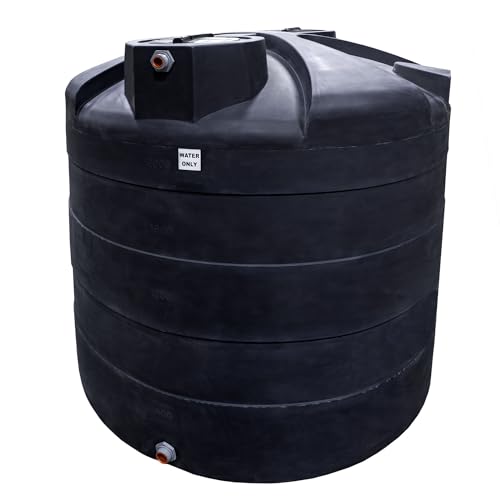
RELIABLE LONG-LASTING VERTICAL WATER STORAGE: The Elkhart Plastics 2500 Gallon Water Container is designed for a wide range of applications; Vertical tanks are versatile for bulk water, well water storage, rainwater collection, and fire suppression

"Ideal for correcting sluggish septic systems, reducing foul odors, and restoring proper system performance."

Self-Watering, Gravity-Fed Systems: Designed for grow tents and hydroponics applications without requiring power, pumps, or timers to operate
Storing Emergency Water Reserves on Lower Floors

Imagine waking up to an emergency. Power is out, and the elevator is down. If you’re in a high-rise, how do you get water? That’s why having emergency water reserves stored on the lower floors is so important. It’s a simple step that can make a big difference.
Here’s why you should consider it:
- Accessibility: When the lights go out, upper floors can feel like a prison. Storing water on lower levels means anyone can easily grab what they need without relying on elevators.
- Flood Safety: Lower floors are typically safer from flooding compared to higher ones. In emergencies, you want to minimize risks.
- Every Drop Counts: Aim for at least one gallon per person per day. That’s three gallons for a three-day supply, which is manageable and essential.
Regular checks on your water supply are also essential. It’s not just about having water; it must be safe to drink. Make a habit of inspecting your storage to prevent contamination. And, hey, it’s crucial to comply with your area’s regulations. There are often specific requirements for water storage that ensure you have enough to meet everyone’s needs.
Keeping emergency water on lower floors isn’t just smart; it’s necessary for preparedness. Utilizing food-grade barrels can help maintain water safety and quality over time. Don’t wait for a crisis to make your plan. Take action now and ensure your family is ready. After all, having that peace of mind makes all the difference in stressful situations.
Recommended Products
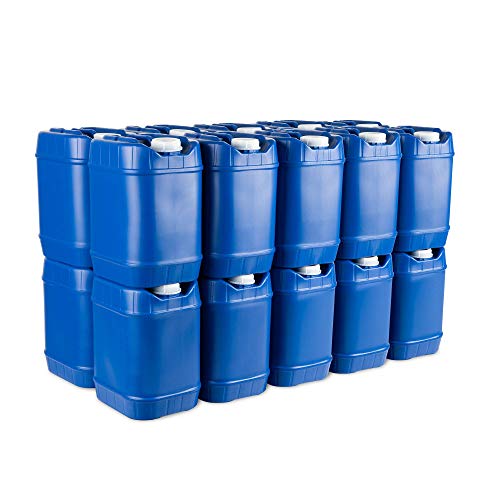
PORTABLE, STACKABLE WATER CONTAINERS: These 5-gallon water containers are designed with flat bottoms and tops that nestle together to help stack more water in less space. The handles make them ideal for moving around, and the built-in twist breathing ports make it easy to pour out the contents of your containers without them getting air locked. This kit includes 20 individual 5-gallon water containers with lids.

1. Large capacity: The water storage container has a variety of optional capacities and sizes, which can meet all your needs in your daily work environment, and can easily store water, wine, edible oil and other liquids.

Dual-scale digital type-K thermocouple temperature sensor for use in industrial or food service environments
Planning Water Access Points Along Evacuation Routes
Emergencies in high-rise buildings can be overwhelming. Picture yourself in a crowded stairwell, making your way down as smoke fills the air. The last thing you want to worry about is dehydration. Having accessible water along evacuation routes is not just a luxury; it’s essential for keeping occupants safe and healthy.
So, what’s the plan? Let’s break it down:
- Install water access points: Every few floors is key, especially near stairwells. Elevators aren’t an option during emergencies, and these are the spots where people gather.
- Use sturdy containers: Make sure they’re weather-resistant and filled with plenty of water. This way, no one has to worry about running out during a long wait or evacuation.
- Identify high-traffic areas: Building staff should pinpoint where people are most likely to be during an emergency. This will help in figuring out the best spots for water distribution.
- Regular checks and drills: It’s critical to keep everyone on their toes. Staff need to ensure these water stations are always stocked and working properly.
Surprisingly, it’s these little adjustments that can make a huge difference. When you think about it, it all boils down to a simple goal: keeping everyone hydrated and calm during a chaotic situation. By placing water access points thoughtfully and maintaining them diligently, we can support evacuees during their exit from the building.
In the end, planning for hydration can really enhance safety during emergencies. It’s not just about getting out; it’s ensuring we look after ourselves and each other along the way. Using reliable water purification systems with proven contaminant removal capabilities can provide safe drinking water when traditional sources are compromised.
Coordinating Water Availability With Emergency Responders
Ensuring emergency responders have quick access to water supplies in a high-rise building can be a real game-changer during a crisis. Picture this: a fire breaks out on the 10th floor, and without proper coordination, responders might face unnecessary delays. So, how do we tackle this issue?
First, it starts with collaborating with building management. You want to pinpoint crucial spots like elevator machine rooms and shafts. These areas often house important water supply components. Municipal systems tend to fail above the sixth floor, especially when water pumps aren’t working. That’s why it’s vital to share real-time pump status with first responders. Clear communication can save lives.
Next, flooding risks in basements can seriously impact water availability. If things go south during a storm or due to a burst pipe, keeping responders updated is essential. It helps them formulate a more effective response plan.
Let’s not forget about informing fire departments about any reinforced elevator shafts. These are designed specifically for accessing water and combating fires. Such details can help save critical time during emergencies.
Regular training and drills with both emergency responders and building staff are crucial. These exercises ensure that everyone knows how to efficiently access and manage water supplies, even if elevators become useless.
Additionally, integrating portable power stations can ensure that communication devices and water pumps remain operational during power outages, further supporting effective emergency coordination.
Including Water Supply Solutions in High-Rise Safety Plans
Living in a high-rise can feel like a dream until emergencies hit. Imagine being stranded in your apartment on the fifteenth floor during a power outage. That’s where the importance of a solid water supply plan comes into play. Municipal water pressure often fails us when we need it most—especially above the sixth floor. For those of us in tall buildings, we need to think ahead about how to keep our water flowing when the system fails.
So, what’s the solution? Reliable water supply solutions are essential. Here’s how we can ensure that we have access to water during crises:
- Install Backup Pumps: These are a must to help maintain pressure even if the main system fails.
- Add Storage Tanks: Place these tanks on different floors to ensure that water is available close by when elevators are out of action.
- Plan for Elevator Issues: Let’s be real—using elevators during an emergency can be risky. Planning for their failure means making sure there are easily accessible water points on every floor.
- Routine Maintenance: Building codes insist on regular checks for these backup systems. It’s not just another box to check—it’s about ensuring we can rely on them when it counts.
- Clear Protocols: We need to establish and share clear protocols for accessing stored water. Both residents and emergency responders should know exactly where to go in times of crisis.
In addition, incorporating ergonomic design principles in water supply access points can reduce user fatigue and improve ease of use during emergencies.
Recommended Products
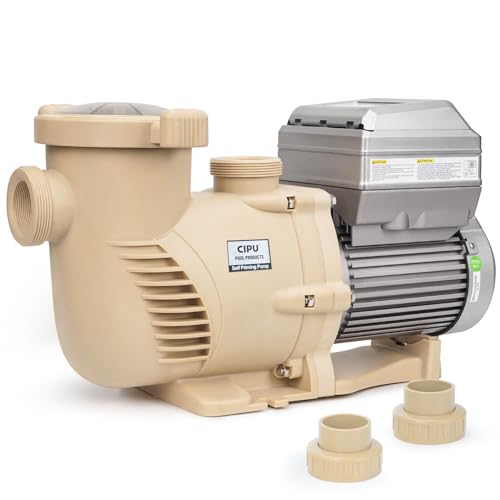
【3HP Powerful Pool Pump】Efficient PMS motor with pure copper wiring comes superior 3HP output power. Reinforced thermoplastic body with unique heat dissipation painting can completely resist weather corrosion and 20% lower temperature rise than traditional pumps, ensuring quieter operation and lower maintenance. Ideal for use with pools, spa and hot tubes of all types and sizes.
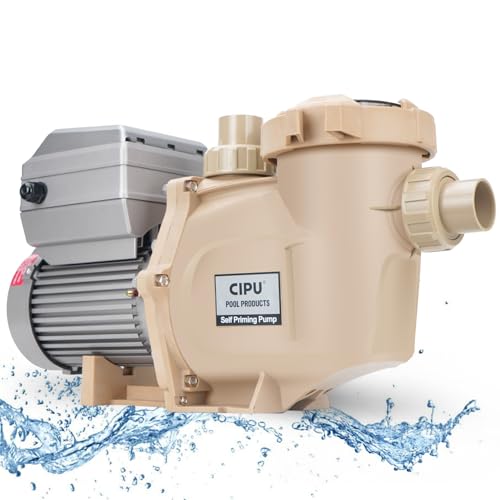
💦【1.5HP Inground Pool Pump】- Efficient PMS motor with pure copper wiring comes superior 1.5HP output power. Reinforced thermoplastic body with unique heat dissipation painting can completely resist weather corrosion and 20% lower temperature rise than traditional pumps, ensuring quieter operation and lower maintenance. Ideal for use with pools, spa and hot tubes of all types and sizes.

✅ [Full Hands-Free Smart Toilet Experience]: The lid opens as you approach, and the lid and seat close after you leave. Use the foot sensor to open the lid or seat and flush hands-free, or control key functions with the remote. Built for users who want a smart toilet with bidet built in, auto open/close lid, and foot sensor flush.
Frequently Asked Questions
How Do Elevator Emergency Stops Work?
Elevator emergency stops activate safety measures, halting movement during power failure or alarms. We rely on elevator design and communication systems to guarantee passenger safety, follow emergency protocols, and coordinate rescue procedures while prioritizing regular elevator maintenance.
Can You Run Out of Oxygen if Stuck in an Elevator?
We won’t usually run out of oxygen when stuck in an elevator, thanks to ventilation systems ensuring air circulation. Elevator safety and emergency protocols help trapped passengers in high-rise buildings follow emergency procedures effectively.
How Do Firefighters Get People Out of Elevators?
Picture us steady and calm, trusting firefighter protocols as we assess elevator safety, use rescue techniques on elevator mechanisms, communicate clear passenger instructions, and follow emergency procedures—our fire department’s way to conquer urban emergencies and save lives.
Do Not Use an Elevator in Case of Emergency.?
We shouldn’t use elevators during emergencies. Instead, emergency planning must prioritize clear evacuation routes, stairwell usage, and elevator protocols. Fire drills teach high rise safety, disaster preparedness, and guarantee water supply access isn’t disrupted during evacuations.


