As an Amazon Associate, we earn from qualifying purchases. Some links on this site are affiliate links at no extra cost to you. Our recommendations are based on thorough research and editorial judgment.


Finding Hidden Water Sources in an Apartment Building (Legally and Safely)

Have you ever noticed damp spots on your walls or a sudden spike in your water bill? These could be signs of hidden water sources lurking in your apartment building. As someone who’s been down this road before, I can tell you that finding and addressing these issues shouldn’t feel like a chore.
You may be interested



Let’s break this down into manageable steps.
Start with a good look around. Check the walls, ceilings, and floors for any stains or moisture. These little signs can speak volumes. Keep an eye on your water bill, too. If you see a significant jump without any changes in usage, that’s a red flag.
Next, consider investing in some tools. Here are some effective options you can use:
- Moisture meters: These will help you pinpoint where leaks are hiding.
- Infrared thermography: This tech can spot temperature differences that hint at water issues behind the scenes.
- Smart leak detectors: These nifty devices alert you whenever they sense a problem.
Document everything you find. A detailed record can be invaluable when you report your findings to property management.
Always keep your local housing laws in mind. Understanding your rights can really empower you in these situations. Don’t hesitate to reach out and collaborate with management to fix any leaks you uncover.
To wrap it up, staying vigilant and proactive is key. If you notice anything unusual, act on it quickly. Taking these steps not only protects your home but can save you money in the long run.
So, keep your eyes peeled and don’t let hidden leaks dampen your living space!
Key Takeaways
- Use moisture meters and infrared thermography to detect hidden dampness without invasive inspections.
- Employ acoustic leak detectors and smart water sensors for non-intrusive, real-time water leak identification.
- Inspect visible plumbing fixtures regularly and report damages to property management promptly.
- Monitor water bills for unusual increases indicating potential concealed leaks.
- Document all findings and communicate formally with landlords to ensure legal leak investigation and repair.
How to Spot Hidden Water Sources in Your Apartment
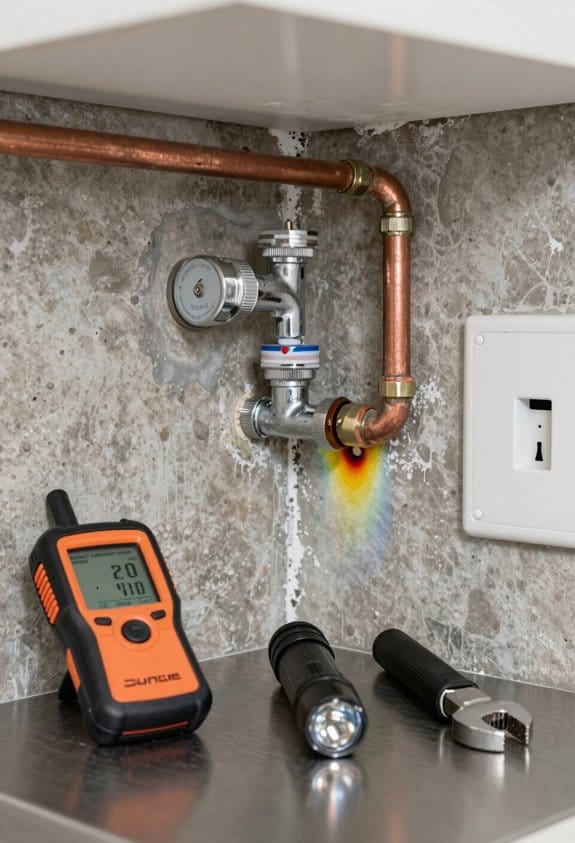
Spotting hidden water sources in your apartment can feel like a chore, but it’s crucial for avoiding expensive repairs down the road. You might not think about it, but small leaks can cause major damage over time—so let’s dive into some simple steps you can take.
Start with the basics. Look for any visible water leaks or stains on your walls, ceilings, and floors. Those telltale spots usually scream, “There’s a problem here!” Then, keep an eye on your water bills. If you notice a spike without a clear reason, you could be losing water somewhere in your apartment.
Next, trust your senses. Musty smells or mold growth in places that should be dry indicate moisture issues from hidden leaks. Pay special attention to corners, behind furniture, and around windows.
While you’re at it, give your plumbing fixtures and appliances a once-over. Look for frayed hoses, rust, or any sign of damage. You’d be surprised at what a quick inspection can reveal.
Another handy tip is to invest in a moisture meter. This little device can help you spot dampness within walls or ceilings early. Catching leaks before they become a problem is key.
In the end, keeping an eye out for hidden water sources is all about being proactive. With a little effort, you can safeguard your space from costly water damage. Stay vigilant, and trust your gut—you got this!
Also, having access to a reliable emergency water supply can be invaluable in case of sudden plumbing issues or water outages.
Detecting Hidden Water Leaks Using Safe Technology

Finding hidden water leaks is no walk in the park. A small drip can lead to major damage if left unchecked. Fortunately, we’ve got some excellent tools to tackle this issue and save us from costly repairs.
First off, acoustic leak detectors are pretty cool. They pick up the sounds of water escaping from pipes, even in complex plumbing setups. Not bad, right? Then there’s infrared thermography. This tech lets you see temperature changes caused by moisture. A simple scan can reveal leaks without tearing into your walls. You can also use moisture meters, which help identify damp spots in materials – handy for spotting trouble before it escalates.
Let’s not forget smart water leak sensors. These little gadgets monitor water pressure and flow around the clock. They’ll send you alerts straight to your phone if something seems off. Keeping an eye on this data can catch leaks in the act and save you a heap of trouble down the line.
To effectively detect hidden leaks, combine these technologies with regular inspections. It’s a smart way to catch issues early. By being proactive, you can protect your apartment’s structure and minimize potential damages.
Keeping your space dry and safe matters. With the right tools and a bit of vigilance, you can face water leaks head-on. Nothing beats the peace of mind that comes from knowing your home is NIOSH-approved leak-proof!
Legal Steps for Reporting and Investigating Apartment Leaks
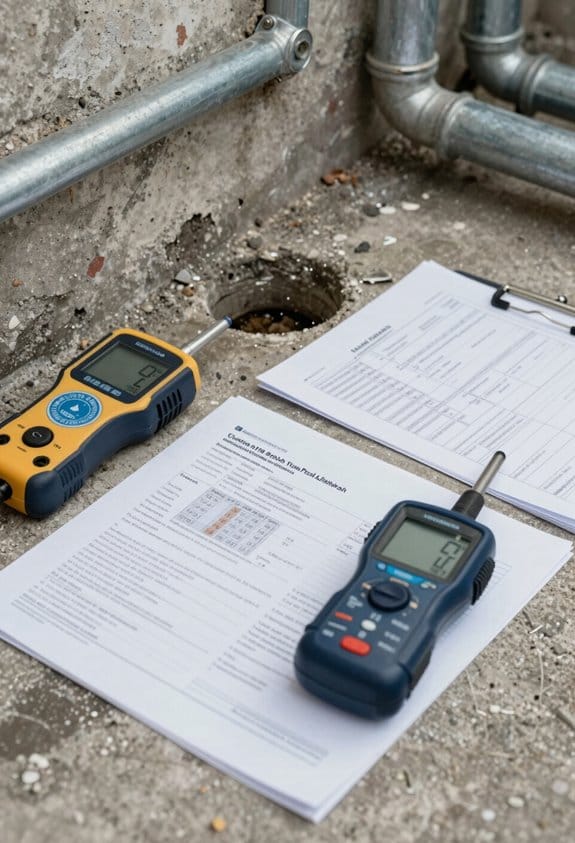
Finding a water leak in your apartment can be a real headache. It’s not just about that annoying drip you hear in the middle of the night—it’s about knowing how to handle the situation. Acting quickly while keeping everything above board is key, and that starts with letting the right people know.
First things first, always write down your reports to property management. This creates a record that protects your rights as a tenant. You want to make sure you’re following the lease agreement, and keeping things in writing is the best way to do that.
Let’s talk about local housing laws—these can really save your day. Most landlords must fix water leaks within a specific timeframe. If you know these rules, you can hold them accountable. Don’t be shy about requesting access to maintenance records too! These documents can reveal if there have been plumbing issues before and how quickly they were handled.
Education is power in these situations. Familiarize yourself with your lease terms and local regulations. This knowledge helps you stand up for your rights. In some cases, if your leak isn’t fixed promptly, you might even qualify for compensation or a rent reduction.
Keeping your communication clear and formal is essential. This approach not only shows that you’re serious about the issue but also helps you follow the necessary legal steps during the investigation.
Stay proactive and informed. When you know how to navigate these issues, you’re setting yourself up for success. You got this! Remember to keep an emergency food supply with long shelf life in your apartment for unexpected situations while repairs are underway.
Working With Property Management to Address Hidden Water Leaks
Hidden water leaks can be a real nightmare. They lurk in places we don’t think to check until it’s too late. To tackle this issue head-on, it’s crucial to partner up with property management. Together, we can make sure they take the right steps to keep things in check.
First, let’s talk about routine maintenance. In areas like bathrooms and kitchens, which are more prone to leaks, proactive inspections are a must. Property management should consider:
- Professional leak detection systems
- Moisture meters
- Acoustic detectors
But there’s more. Installing wireless sensors plays a vital role. These little devices continuously monitor for leaks and send real-time alerts if something looks off. Staying one step ahead keeps your building safe.
Now, it’s not just the management’s job. We need to involve tenants, too. Educating residents about spotting unusual water signs or strange sounds can make a big difference. Encourage them to report any issues immediately. The quicker we share info, the quicker we can act.
To sum it all up, combining advanced leak detection, regular inspections, and tenant awareness creates a robust strategy against hidden leaks. Wearing appropriate protective gear, such as impact-resistant face shields, can keep maintenance personnel safe during inspection and repair work. By working together, we ensure repairs happen on time, protecting the property from unnecessary damage. Let’s get proactive and safeguard our homes!
Preventing Hidden Water Leaks With Routine Inspections and Maintenance
Hidden water leaks can turn into a homeowner’s nightmare. Trust me, I’ve seen it happen. When you let these leaks go unnoticed, they can cause serious damage to your property. That’s where a solid inspection and maintenance schedule comes in.
Think about it. Checking your plumbing at least every three months is a smart move. Here’s why:
- Spot Wear Early: Regular checks mean you catch any wear or potential leaks before they escalate.
- Focus Areas: Pay special attention under sinks, around toilets, and near washing machines and dishwashers. These spots are notorious for sneaky leaks.
- Tenant Awareness: Prompt your tenants to report any damp spots or odd water noises. Early detection can save everyone a lot of hassle.
- Replace Aging Parts: If it’s time to swap out old plumbing parts, do it. Preventative maintenance is key to avoiding future leaks.
- Smart Tech: Consider installing moisture sensors. These devices send alerts about leaks, letting you jump into action quickly.
Additionally, storing your maintenance tools and emergency supplies in designated storage locations ensures quick access during urgent repair situations.
Combining these aspects creates a strong defense against hidden leaks. With routine inspections, proactive tenant communication, and modern tech at your disposal, you can keep your property safe from costly water damage. Remember, a little effort now can save you a lot of trouble later. Keep a close eye on those pipes!
Frequently Asked Questions
How to Find Source of Water Leak in Apartment?
We start by checking damp spots, ceiling stains, and bathroom fixtures, then use a moisture meter and pipe insulation inspection. Monitoring the water meter and water bill helps, plus appliance testing and a plumbing inspection for leak detection.
How to Find a Water Leak in an Apartment Building?
Let’s uncover hidden streams behind walls using water leak detection and plumbing inspection methods. We’ll watch for water stains, use moisture meters, note wall damage, understand tenant rights, clarify maintenance duties, and act swiftly to protect neighbors and claims.
How to Find a Non-Visible Water Leak?
We use moisture meters, thermal imaging, and sound analysis for water detection in hidden pipes. Combining plumbing inspection with building surveys helps spot water stains and prevent leaks, ensuring effective leak detection and leak prevention.
How to Trace a Source of a Water Leak?
It is understood that it sounds complex, but tracing a leak starts by combining leak detection methods: using moisture meters, acoustic leak detection, thermal imaging, and specialized cameras. Visual signs, plumbing inspection tools, and water pressure testing reveal common leak sources efficiently.


