As an Amazon Associate, we earn from qualifying purchases. Some links on this site are affiliate links at no extra cost to you. Our recommendations are based on thorough research and editorial judgment.


Managing Toilets During Outages: Safe Short-Term Sanitation Options

When the power goes out, your toilet might just become a fancy water fountain. No water pressure means no flush, and that can spell trouble. Let me share what I’ve learned about managing sanitation during these outages.
You may be interested


First off, preparation is key. Stock up on clean water and hygiene supplies beforehand. Here’s what you can do:
- Store several gallons of water for flushing and personal hygiene.
- Create an emergency toilet using a five-gallon bucket. Line it with heavy-duty trash bags to catch everything.
- Toss in some kitty litter or other absorbent materials. This helps control odors and makes cleanup easier.
Once you’ve done your business, make sure to seal those waste bags tightly. It’s crucial for preventing leaks and keeping your space fresh. Dispose of the bags safely, following local guidelines.
Let’s not forget about hand hygiene. After using your makeshift toilet, soap or hand sanitizer is a must. No exceptions. Keeping your hands clean is just as important as managing waste.
To wrap it up, with a little planning, you can maintain sanitation even when the power is out. Don’t let a simple outage cramp your style. Stay prepared, stay clean, and keep a positive mindset!
Key Takeaways
- Store clean water and use a bucket flush method to manually refill toilets during outages.
- Line toilet bowls with heavy-duty garbage bags and add absorbent material to control odors.
- Use a five-gallon bucket with a seat, lined with a trash bag and absorbent litter for a makeshift toilet.
- Practice strict hand hygiene using soap, water, or hand sanitizer after every use of emergency sanitation.
- Seal and store waste bags securely, disposing of them according to local health guidelines to maintain sanitation.
Why Toilets Don’t Flush During Power Outages

Picture this: the power goes out, and suddenly your toilet won’t flush. Frustrating, right? Understanding why this happens can really help us prepare. When the electricity cuts off, electric well pumps stop working. That means your toilet tank doesn’t get the water it needs to refill. If you’re on municipal water, it’s not a walk in the park, either. Those systems rely on electricity for treatment and pumping, so when the power goes out, water pressure takes a nosedive. This lack of pressure means no water for flushing.
But it gets even trickier. Think about those modern portable toilets with all the bells and whistles. Many of them need electricity to run. So, when the lights go out, they’re just dead weight.
So, how can we stay on top of our hygiene game during these outages? Here are some tips:
- Identify Alternative Water Sources: Have a backup plan for water supply, like filling up buckets in advance.
- Use Stored Water: Keep a stash of water specifically for flushing purposes. Even a few gallons can go a long way.
- Consider Sanitation Methods: Look into alternatives like composting toilets or other environmentally friendly options.
Additionally, having emergency water barrels stocked and treated properly ensures a reliable water supply for sanitation needs during extended outages.
Keeping these insights in mind can make a big difference when the power goes out. Being prepared means you won’t have to worry about cleanliness during those frustrating times. Stay proactive, and you’ll be ready for whatever comes your way.
How to Prepare Your Home for Toilet Outages

Toilets not flushing during a power outage? It’s a reality that many of us would rather avoid, but being prepared is key. Let’s discuss some practical steps that can help you navigate this uncomfortable situation smoothly.
First up, water. Aim to store at least 5 gallons of clean water for each person in your home. This amount will cover not just basic sanitation needs but also ensure you have enough for flushing the toilets. You don’t want to be caught in a tough spot!
Now, let’s talk alternatives. Consider putting together a 5-gallon bucket filled with absorbent materials like kitty litter. Trust me, this makes for a convenient substitute for a portable toilet when necessary. Also, be sure to gather trash bags specifically for waste disposal; these are essential for keeping things clean and hygienic.
Next, educate everyone in the household about the bucket flush method. It’s crucial that everyone knows how to handle things when nature calls.
Don’t forget about hygiene. Create a hygiene kit stocked with soap, hand sanitizer, and disinfecting wipes. This little kit will be a lifesaver in terms of maintaining cleanliness during any toilet outages.
Getting prepared now saves a lot of stress later. By taking these simple steps, you can ensure your household remains comfortable and hygienic, no matter what outages come your way.
Recommended Products

Portable and Convenient: This outdoor mobile toilet comes with a 190L waste tank and does not need to connect to the sewage network, so it can be used in more occasions and save the engineering cost of the sewage network. The size of the mobile toilet is 43.3"x39.4"x90.6", the weight is 167lbs, and it is convenient to transport and move. It does not need to be assembled, just place it on a flat ground and it is ready to use.

High-strength ABS construction withstands harsh environments; smooth, easy-to-clean finish

DESIGNED FOR THE ADVENTURER - No Electric, No Plumbing, No Hassle. The NOMAD is the simple, affordable compost toilet solution built for rugged environments. No power source or wiring required—perfect for truck campers, pop-up tents, primitive camping, and remote field setups.
How to Use Your Toilet Without Power or Water

When the power or water runs out, using the toilet can feel tricky. But don’t worry, I’ve got a few handy tips to keep things clean and comfortable.
First, if your toilet has electric pumps, you can try manually lifting the flapper. If there’s still some water in the tank, pour a bucket of water into the bowl to flush it down. No water? No problem. Line the bowl with a plastic garbage bag and sprinkle some kitty litter inside to help control odors and manage waste.
Another great option is using a five-gallon bucket with a seat on top. Just add some absorbent material to the bottom, and you’ll have a portable toilet that works wonders. It’s effective for dealing with waste, even in difficult situations.
If you can’t access any sanitation facilities at all, digging a cat hole comes into play. Make sure it’s at least 100 feet away from any water sources to keep things safe and sanitary. We want to stay healthy out there!
After you’ve taken care of business, always wash your hands thoroughly with soap and water or use sanitizer. Staying clean is key to preventing illness during power or water outages.
For enhanced comfort and hygiene, consider using portable toilets with disposable liners that simplify cleanup and control odors.
To wrap it up, adjusting to life without power or water can be challenging, but these tricks can help. Stay calm, think creatively, and you’ll manage just fine!
Recommended Products

Everything you need to start directly into your camping adventure: BOXIO Wash, BOXIO Shower, BOXIO Beads, BOXIO Mirror

✅【Versatile Bedside Commode Solution】: Bedside commode chair seamlessly integrates modern design, effortlessly transitioning between a bedside commode and a sofa chair. Specifically designed for seniors, postoperative patients, and pregnant women, it provides a convenient solution for various needs.

【Versatile Bedside Commode Solution】: Bedside commode chair seamlessly blends modern design, doubling as a commode and a comfortable chair, meeting the diverse needs of seniors, postoperative patients, and pregnant women with a modern, multi-purpose design
How to Modify Your Toilet for Emergencies
When disaster strikes, our toilets can feel like a ticking time bomb. You might find yourself facing an emergency situation where plumbing stops working, leaving you scrambling for solutions. Don’t panic. Modifying your toilet for emergencies is easier than you think.
Start by flushing the bowl to clear out any leftover water. This step is key to preventing overflow and controlling any odors that might arise later. Next, grab a sturdy inner garbage bag and line it inside the toilet bowl. Adding a second bag on the outside not only secures waste but also makes the cleanup a breeze.
After each use, consider adding absorbent materials like kitty litter or lime to the inner bag. This reduces smells and helps solidify everything, making disposal less messy. Once the inner bag is full, simply tie it tightly closed. For added protection, place this bag inside another one before tossing it out.
Portable toilets use similar techniques, but this DIY strategy lets you tap into your regular toilet, preserving sanitary conditions during challenging times. Make sure to store the filled bags securely to keep your living space safe and your spirits high.
In times of uncertainty, taking these simple steps can make all the difference. You’d be surprised how prepared you can feel when you take the initiative! Including a first aid kit in your emergency supplies can help address any injuries that might occur during this process.
Recommended Products

Complete Disposal Solution: Do your business anywhere with this puncture-proof disposable gray urinal bag pre-filled with instant gelling powder and includes a wet wipe

Urine-Separating Compost System: Waterless composting toilet with urine diverting technology for off-grid use without additives or mixing required

ONE-TOUCH SEALING – Close the lid and the lower sliding door fully, then simply press the button; the system automatically wraps and heat-seals waste into a refill bag; designed for adult users seeking a stress-free, waterless sanitation solution
Using a Five-Gallon Bucket as an Emergency Toilet
When you find yourself without plumbing, a five-gallon bucket can turn into your best friend. Trust me; I’ve been there. Setting it up is simple and effective:
- Grab a heavy-duty trash bag. Line the bucket with it to contain everything.
- Get a toilet seat. Placing one on top makes it a bit more comfortable.
- Add absorbent materials. After each use, throw in some kitty litter or sawdust to control odors and soak up moisture.
Another tip? Keep that bucket covered when it’s not in use. This prevents any spills or contamination that you definitely want to avoid. When it’s time to dispose of your waste, follow your local guidelines for safe handling. It’s important!
You might wonder how to keep clean through all of this. It’s straightforward: Always wash your hands with soap and water afterward, or use hand sanitizer if water isn’t available.
Using a five-gallon bucket as an emergency toilet isn’t glamorous, but it gets the job done. With a little prep and mindfulness, you can manage the situation with ease. Stay resourceful! Wearing protective gloves while handling waste can further ensure your safety during disposal.
Recommended Products

Use in place of digging a latrine
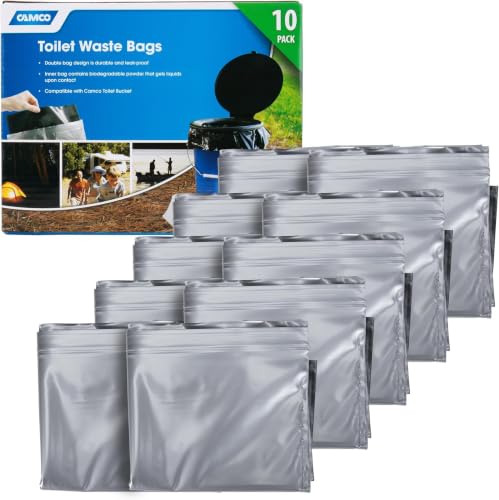

LONGER & COMFORTABLE TOILET SEAT: Kohree portable camping toilet features a lengthened and more comfortable seat, designed to provide a better experience for adults in RVs, campers, boat, or travel trailers.
Using Cat Holes Safely During Power Outages
When power outages hit, using a cat hole might become necessary. I know it sounds a bit daunting, but with some planning, it can be safe and sanitary. It’s all about keeping our water sources clean and maintaining good hygiene.
First off, where you dig matters. Aim for at least 100 feet away from wells, houses, and any open water. This distance helps keep everything uncontaminated. Next, make sure that your cat hole is at least 6 inches deep. This depth is crucial to fully cover human waste and toilet paper. Speaking of toilet paper, you can toss it directly into the hole—just remember to bag any non-biodegradable items separately. We want to be kind to our environment, right?
After you’ve done your business, don’t forget to cover up the hole completely with enough soil. This keeps pesky animals away and helps manage odors. Something I’ve learned? Mark the spot of each hole in some way so you don’t accidentally use the same place twice. This is essential for keeping diseases at bay.
To recap, using cat holes during power outages involves careful planning and attention to sanitation. Keep your distance from water sources, dig deep, and make sure to cover up after yourself. With these simple steps, you can manage waste responsibly and help protect both yourself and the environment. Stay safe out there! It’s also important to regularly inspect sanitation sites to ensure they remain effective and hygienic over time.
Recommended Products

Super Absorbent Powder: How to go to the toilet whenever and wherever there is no toilet on the journey? LaSyL has developed a liquid-absorbing powder. It can quickly solidify human and pet bodily fluids into a firm and stable gel state. It's a simple and reliable way to dispose of poo in a dignified manner
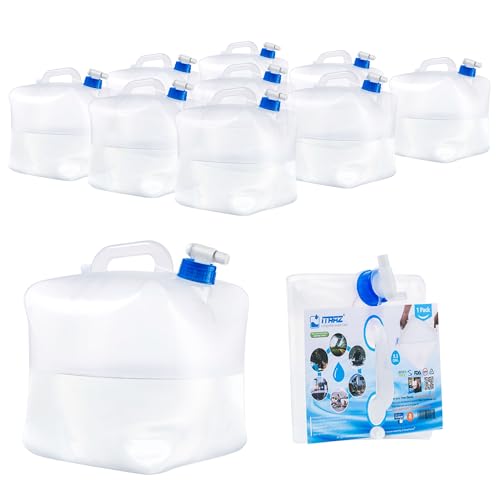
HIGHEST-QUALITY US RAW MATERIALS: The ITRAZ collapsible water container is made from a new type of LDPE4 and PP, which are environmentally friendly, food-grade, non-toxic, odorless, and free from BPA, PVC, and DHEP. This makes it safe for storing drinking water. It is more transparent, flexible, and softer than other brands on the market. Additionally, it is less likely to crack or become damaged and is durable enough for heavy-duty use.

【User-friendly Design】: The 30.12" overall height(not including the faucet) and 10.24" depth of the sink reduce the frequency of bending and the burden on your waist.
Maintaining Hygiene When Toilets Aren’t Working
When your toilet goes down, it can feel a bit overwhelming. I know from experience that keeping things clean and sanitary is crucial to avoid any health issues. Without the usual plumbing at our disposal, we have to get creative. Here’s what I’ve learned to keep things on track.
First up, stock up on supplies. You never know when the next outage will hit, so having essentials on hand is key. Make sure you have:
- Hand sanitizer
- Disinfecting wipes
- Disposable gloves
- Clean water and soap
Now, let’s talk about how to use them. If running water is limited, save it for necessary handwashing to conserve it. For those moments when you can’t wash your hands, use hand sanitizer liberally after every trip to the makeshift bathroom. It’s your best friend here.
You might wonder how to keep surfaces clean, especially when it’s tempting to skip it. Trust me, it’s worth the effort. Always wipe down any area you’ve touched, from the seat to the doorknob. This small step can make a huge difference in stopping the spread of germs. Emergency preparedness also means considering long shelf life supplies that remain reliable over many years for sanitation and hygiene.
How to Manage and Dispose of Waste Safely
When the power goes out, managing waste can feel overwhelming. But let me share what I’ve learned from a few tough experiences. Here are three essential steps to keep your sanitation game strong during outages.
First up, get a heavy-duty trash bag and line that toilet bowl. This simple step makes a huge difference. After each use, toss in some kitty litter or similar absorbent material. It cuts the odor significantly, making your setup bearable.
Next, let’s talk disposal. Seal up those used bags tightly and get rid of them following your local guidelines. This is crucial for keeping our environment clean and safe. Avoid the temptation to flush when the power is down. Doing so can create bigger sanitation problems that no one wants to deal with later on.
You might wonder where to put those waste bags while you’re waiting to dispose of them. The answer is simple: store them safely away from kids and pets. It’s also important to keep your hands clean. Wash them with soap and water, or use hand sanitizer if that’s what you’ve got on hand.
If you find yourself in a situation without a toilet, cat holes are an option. Dig them at least 100 feet away from any water sources, and make sure to cover them afterward. This helps prevent contamination and keeps wildlife away. When working with hazardous materials like ammonia in sanitation, always ensure you have the proper respiratory protection to safeguard your health.
Frequently Asked Questions
What Are Chemical Toilets and How Do They Work During Outages?
Chemical toilets are portable restroom options using chemicals to break down waste. We follow chemical toilet maintenance and usage safety guidelines to minimize environmental impact considerations, ensuring safe, hygienic sanitation during outages when regular plumbing isn’t available.
Can Bag-Based Sanitation Be Used Indoors Safely?
It is known 40% of emergency shelter users worry about hygiene, so yes, bag-based indoor sanitation works if we guarantee bag durability, practice good hygiene, and use odor control methods to keep spaces safe and comfortable together.
How Often Should Chemical Toilets Be Serviced During Extended Outages?
We recommend following user guidelines that suggest cleaning frequency every 3-5 days during extended outages. Regular maintenance intervals and proper disposal methods prevent odor and leaks, ensuring chemical toilets stay hygienic and functional for everyone’s comfort.
Are Trench Latrines Safe for Urban Areas in Emergencies?
It is understood trench latrines aren’t the whole nine yards for urban sanitation—they often clash with urban sanitation standards, pose wildlife attraction risks, and face community acceptance issues, so their design must be carefully planned before use in emergencies.
What Cultural Factors Affect Temporary Pit Latrine Acceptance?
We’ve found cultural beliefs, existing sanitation practices, community involvement, and gender roles greatly influence temporary pit latrine acceptance. Understanding these helps us design solutions that respect traditions and encourage local support for safer sanitation.


