As an Amazon Associate, we earn from qualifying purchases. Some links on this site are affiliate links at no extra cost to you. Our recommendations are based on thorough research and editorial judgment.


Medication Storage and Rotation: Keeping Prescriptions Reliable

Storing medication properly can feel like a hassle, but trust me, it’s worth it. You don’t want to end up taking something that’s lost its punch or, worse, could be harmful.
You may be interested


Let’s break it down so you can keep your prescriptions safe and effective.
- Cool and Dry is Key: Meds like to hang out in cool, dry spots. Stay away from bathrooms and kitchens. The humidity and heat can mess with them.
- Keep It Original: Always keep your medications in their original containers. These bottles not only help maintain potency but also show expiration dates clearly.
- Sort by Expiry: Make it a habit to check your meds regularly. Organize them by expiry date. Place the ones about to expire upfront. This little trick ensures you use them before they become ineffective.
- Look for Damage: Don’t overlook visual checks. If a bottle is cracked or the pill looks off, toss it. Your health deserves better than damaged meds.
- Safe Disposal: When it’s time to say goodbye to old meds, use take-back programs or follow safe disposal methods at home. This keeps our environment clean and protects everyone, especially kids.
With these steps, you’re genuinely ensuring that your medications remain reliable and safe for use.
Take care of your meds, and they’ll take care of you! So go ahead, give your prescription storage a little love today.
Key Takeaways
- Store medications in cool, dry places away from humidity and heat to preserve potency and effectiveness.
- Keep medications in original containers with labels to track expiration dates and storage instructions.
- Rotate medicines by placing near-expiry items at the front for timely use and avoid waste.
- Conduct regular medication checks every three months to discard expired or damaged products safely.
- Use locked storage for high-risk medications to prevent misuse and maintain household safety.
Why Proper Medication Storage Matters for Safety and Effectiveness

Storing your medications properly isn’t just a suggestion; it’s essential for your health. Imagine discovering that the pills you’ve been using aren’t effective anymore because they weren’t kept in the right conditions. It’s a real concern! Medications can lose their potency or even become harmful if exposed to heat, light, moisture, and air.
So, how can you ensure your medicines stay safe and effective? Here are some simple guidelines:
- Cool, Dry Spaces: Always keep your medications out of the bathroom and kitchen. These areas often have humidity and temperature swings that can ruin your meds.
- Original Containers: Stick to the packaging your medication comes in. Those bottles contain important details, like expiration dates and handling instructions for optimal safety.
- Regular Checks: Make it a habit to check expiration dates frequently. Knowing when to throw away expired or unused medications is key to keeping your treatment effective and safe.
Proper storage also involves regular inspection to ensure there is no damage or contamination that could affect medication effectiveness.
Let’s be real—following these steps can make a huge difference in how your medications work. By committing to these simple storage practices, you’re ensuring your health isn’t compromised. So go ahead and give your medicines the care they deserve. Your future self will thank you!
How to Store Medications Safely to Maintain Potency
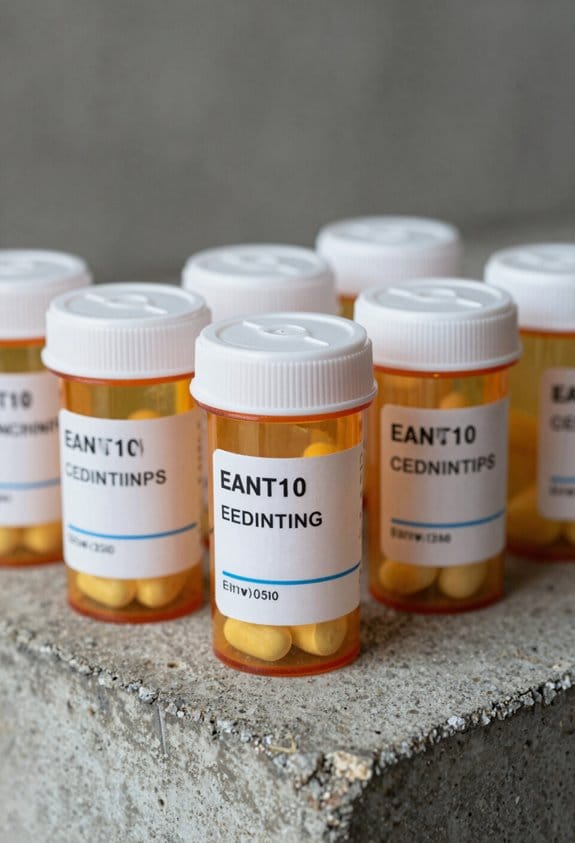
Storing medications might seem simple, but it can be a bit tricky if you don’t pay attention. Ever opened up a bottle of pills in a bathroom only to find them damp? Not ideal. Medications need to be kept in a cool, dry spot—room temperature is perfect. Steer clear of places like bathrooms or kitchens because they can get hot and steamy.
When it comes to storage specifics, keeping your meds in their original containers is essential. Don’t forget to take out any cotton balls that might be inside. They trap moisture, which can ruin your medication’s potency. Some drugs might need to be kept in the fridge or have other special requirements, so make sure to follow the instructions your pharmacist or the packaging provides.
Managing multiple medications? Designate one reliable location to keep everything. This minimizes their exposure to bad conditions. Check your meds regularly for changes in color, texture, or smell. These signs are your body’s way of telling you that something might be off.
In short, safe medication storage is all about keeping them cool, dry, and monitored. Your health matters, so take these steps seriously. Keep those meds working for you, not against you! Also, just like ensuring safe water storage by using food-grade containers, using proper storage materials for medications helps maintain their safety and effectiveness.
How to Organize and Rotate Your Medications to Avoid Expiry
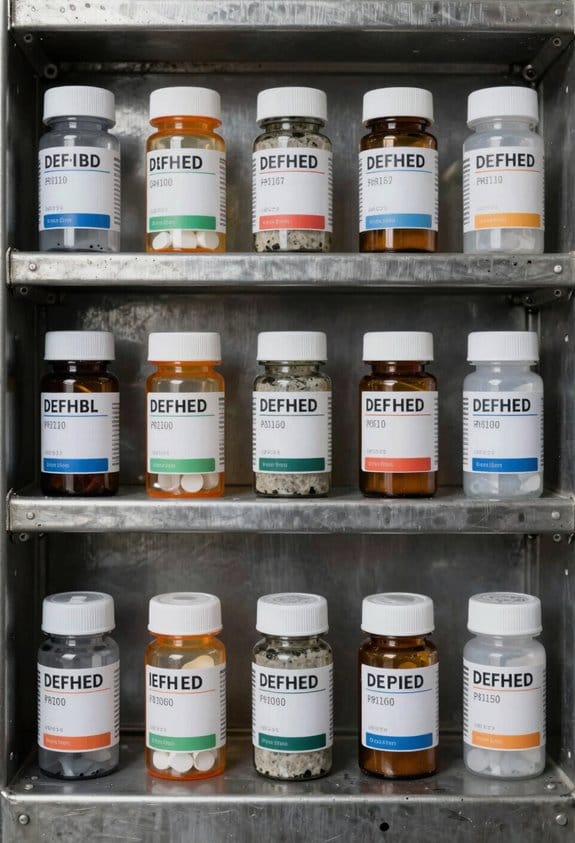
Managing multiple medications can feel overwhelming, right? Without proper organization, you risk wasting money and putting your health in jeopardy. I’ve learned a few tricks along the way that make this task a lot easier.
To keep things straightforward, start by sorting your medications by expiration dates. Place those nearing expiration at the front of your storage area. This way, you naturally use them first. It’s a simple change that can save you from having unwanted expired pills lying around.
Keeping a medication list is also a lifesaver. List each medication along with its expiration date and dosage. This helps you keep track of what you have and ensures nothing slips through the cracks.
Make it a habit to check your stash every three months. During this check, toss out any expired medications or those you no longer need. If you struggle to remember this, consider downloading a medication management app. These apps send reminders as expiration dates approach, making it that much easier to stay on top of things.
When it comes to meds you don’t use frequently, think about buying smaller supplies. This cuts down on the risk of letting them expire before you even open the bottle.
Staying organized and doing regular checks are key. It helps ensure your medications are safe and effective. And when it’s time to dispose of expired medications, make sure you do it properly.
Also, be mindful that certain hazardous materials require specific disposal guidelines to ensure environmental safety.
Simplifying your medication management not only helps you stay healthy but also eases your mind. So take those small steps today; your future self will thank you!
How to Dispose of Expired or Damaged Medications Safely
Dealing with expired or damaged medications can be a little daunting, right? We all want to do the right thing, both for ourselves and the planet. Flushing those pills down the toilet might seem easy, but it can mess up our water supply. So what can you do instead?
Here are some safe ways to dispose of your meds:
- Drug take-back programs: These are probably the best option. Many communities hold events or have designated drop-off sites where you can safely hand over unwanted medications. They ensure that the drugs are properly incinerated, preventing any harm to the environment.
- Household garbage: If take-back programs aren’t available, you can toss your medications in the trash. Start by mixing them with something yucky—think coffee grounds or kitty litter. This makes them less appealing to kids or pets who might dig through the garbage.
- Local guidelines: Always check your local laws or talk to a pharmacist. They can give you specific advice on what to do in your area.
Taking the time to dispose of expired medications properly isn’t just about keeping your home safe; it’s about looking out for your community too. So, next time you find old prescriptions in your cabinet, take a moment to dispose of them responsibly. It’s a small step but a meaningful one! Proper storage and rotation of medicines also help ensure their accuracy and effectiveness before disposal.
How to Keep Medicines Organized and Out of Reach to Prevent Misuse
Ever find yourself rummaging through a messy drawer, trying to locate that one pill bottle? It’s frustrating, right? Keeping your medicines organized and out of reach is not just about tidiness; it can prevent serious accidents, especially with kids around. Kids are naturally curious, and if they find a bottle that looks interesting, there’s a good chance they’ll open it.
To keep medications safe and secure, here are some practical tips:
- Use a locked cabinet or safe: Store high-risk medications, like opioids or benzodiazepines, where little hands can’t reach them.
- Opt for clear containers: This way, you can easily recognize what each one holds. A simple pill box can also help you keep track of daily doses.
- Avoid damp and hot areas: Steer clear of bathrooms or kitchens for storage. These environments can mess with the medicine’s effectiveness.
- Regular checks are key: Make it a habit to look for signs of tampering or damage. Always ensure your medication containers are sealed tight.
- Talk about it: Make sure everyone in your home knows the rules of safe medicine storage. Knowledge is power!
Additionally, consider the importance of durability and protection in storage containers to ensure medicines remain intact and effective over time.
Let’s be real; no one wants a scare over something that could have been easily avoided. Keeping your medicines in check is a simple yet vital task. Stay organized and safe—it’s worth it!
Frequently Asked Questions
What Is the Best Way to Store Prescription Medication?
Like protecting a precious artifact, we store prescription medications in secure locations with temperature control, minimal light exposure, and low humidity levels. This way, we guarantee they stay effective and safe for when we need them most.
What Is the Best Practice Regarding Medication Storage and Disposal?
We should always monitor medication expiration dates and practice safe disposal through take-back programs to reduce environmental impact. Educating patients on these steps guarantees medications stay effective and communities stay safe from misuse or contamination.
Why Drug Stability and Proper Storage in Pharmacy Practice Is Important?
Oh sure, let’s just ignore drug degradation and hope for the best! But seriously, we understand maintaining proper storage conditions and temperature control is vital to extend shelf life and guarantee medications don’t lose effectiveness before reaching you.
Which of the Following Medication Storage Practices Is Correct?
It is understood that the correct storage practice involves controlling temperature and humidity levels, minimizing light exposure, and keeping medications in their original container types. This helps maintain effectiveness and safety, so let’s always follow these guidelines carefully.


