As an Amazon Associate, we earn from qualifying purchases. Some links on this site are affiliate links at no extra cost to you. Our recommendations are based on thorough research and editorial judgment.


Safe Water Collection After Storms: What to Avoid in Urban Areas

Collecting urban stormwater right after a rainstorm? That’s a big no-no. The first runoff carries a cocktail of nasty pollutants like bacteria, heavy metals, pet waste, and chemicals. These can lead to significant health problems if you’re not careful.
You may be interested



So, what should you avoid?
- Flooded Yards: They often hide sewage and hazardous substances.
- Wet Basements: Not only are they damp, but they could be contaminated.
- Industrial Areas: The risks here are higher due to toxic spills.
Let’s be real—waiting is key. It’s best to delay your collection for a bit.
First flush diverters can help you capture cleaner water, and reliable filtration is a must before you use any water you’ve collected.
Taking these precautions minimizes risks and ensures safer water management in urban settings. Understanding these steps can make all the difference.
You’ve got this—stay informed and stay safe!
Key Takeaways
- Avoid collecting runoff during the initial storm flush as it contains high levels of pollutants and contaminants.
- Do not collect water near roads, industrial zones, or flooded areas prone to heavy metals and sewage contamination.
- Avoid using untreated water for indoor or consumption purposes without proper filtration and purification methods.
- Do not store stormwater in unclean or uncovered containers that can attract pests or promote algae growth.
- Avoid debris buildup in gutters and storage tanks to prevent recontamination and ensure safe stormwater collection.
Health Risks of Urban Stormwater Collection

Collecting rainwater after a storm might sound like a savvy idea, right? But let’s take a moment to think about what lurks in urban stormwater. This water isn’t just H2O; it carries a whole cocktail of nasties. You might be surprised to learn that stormwater runoff can pick up harmful substances from streets and rooftops.
Why is this important? Think about it.
- Pet waste: Yup, that adorable pup can leave behind bacteria that end up in the runoff.
- Heavy metals: Ever heard of lead or mercury? They aren’t just in old pipes; they can splash into stormwater, too.
- Chemicals: Volatile organic compounds (VOCs) and various industrial chemicals can leach into the water after storms.
Flooding is another big concern. When it pours, untreated sewage can mix in. This combo increases your risk of exposure to nasty pathogens. You definitely don’t want to be sipping this stuff or using it to clean your home. Trust me, gastrointestinal illnesses and other health problems are not fun.
What should you do instead?
- Always stick with properly treated water sources.
- Avoid direct contact with any collected stormwater.
Because untreated stormwater can harbor contaminants, it’s crucial to rely on secure, BPA-free water containers to store any emergency water safely.
At the end of the day, staying safe means respecting these risks. Just because it’s free doesn’t mean it’s safe! So be cautious, and keep your health in check.
Common Pollutants in Urban Stormwater

Urban stormwater can be a real mess. When rain hits, it doesn’t just wash away dirt; it picks up a slew of nasty pollutants that can seriously impact our health and environment. Have you ever thought about where that water goes after a storm? Let’s break it down.
First off, pet waste is a big issue. Every time it rains, bacteria from dog poop can flow into our waterways. This isn’t just gross; it raises health risks for everyone who uses those waters, whether it’s for recreation or drinking.
Then there are heavy metals like lead and mercury. These sneaky villains often come from old pipes and industrial runoff. They can wreak havoc on local ecosystems and pose serious risks to both wildlife and people.
Don’t forget construction debris. It might seem harmless, but when debris clogs drains, it leads to worse flooding and more pollution. It’s surprising how a few pieces of wood or metal can create such chaos!
And let’s talk about chemicals. Motor oil, fertilizers, and pesticides make their way into the stormwater too. These substances are like a cocktail of trouble for water quality, harming aquatic life and making our water unsafe.
So how do we tackle these issues?
- Educate yourself and your neighbors about proper waste disposal.
- Pick up after pets immediately and dispose of waste properly.
- Keep construction zones clean and ensure any debris is contained and disposed of responsibly.
- Limit the use of harmful chemicals on your lawn and garden.
Truth is, it’s not just up to the treatment plants. They can’t catch every pollutant. It’s on all of us to be proactive and prevent contamination before it even starts. Using tools like a compact and durable compass can help outdoor enthusiasts navigate safely while being mindful of their environmental impact.
Water Sources to Avoid When Collecting Stormwater
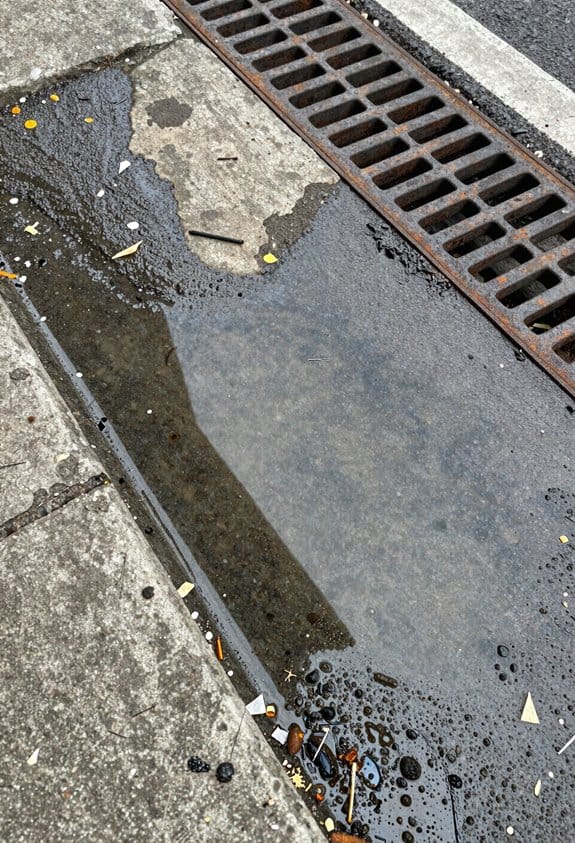
Collecting stormwater can be tricky, especially when we consider all the places we should avoid to keep our water safe. Think about it: after a heavy rain, that water might look inviting, but not all sources are created equal.
Let’s dig into the places you should steer clear of when gathering that water:
- Paved Surfaces: These might seem harmless, but they’re often contaminated with oils and heavy metals from cars and factories. This kind of runoff can seriously diminish water quality.
- Storm Drains: Avoid these like the plague! They often contain untreated wastewater, along with all sorts of nasty pollutants. Trust me, it’s not worth the risk.
- Areas Near Roads or Industrial Zones: Toxic substances love to hang around in these spots. It’s best to keep your distance.
- Flooded Yards and Wet Basements: Water here can be a breeding ground for bacteria, especially if there’s been sewage backup or animal waste. Yikes!
- Rooftops with Asphalt Shingles: Rain collected from these roofs can carry harmful chemicals. Who wants that in their collection system?
When it comes to collecting stormwater, always aim for clean and uncontaminated sources. If you come across any hazardous materials, don’t just toss them aside. Proper disposal is key to keeping things safe.
Using a reliable filtration system, such as one equipped with Black Purification Filters, can further ensure your water is free from hidden contaminants.
Taking these precautions will help you avoid exposure to pollutants and keep your water collection practices healthy and beneficial. So be proactive, trust your instincts, and happy collecting!
Health Dangers From Flood and Standing Water
Floods can be a nightmare, right? The chaos that follows can turn into a whole different issue, especially when it comes to health. Floodwaters aren’t just rainwater mixed with dirt; they’re a cocktail of germs, bacteria, and nasty chemicals. You might think, “It’s just water,” but oh, it’s so much more than that.
Why is this a big deal? Well, floodwater can lead to some serious health problems. Here’s a quick rundown of what to watch for:
- Gastrointestinal Illness: Drinking or accidentally swallowing contaminated water can make you really sick.
- Skin Infections: Cuts or open wounds can easily get infected when they come in contact with dirty water.
- Respiratory Problems: Breathing in the vapors from flood debris can cause serious issues.
And let’s not forget about standing water. It might look harmless but think again! This can become a breeding ground for mosquitoes. Those little guys can transmit diseases like the West Nile virus, which is no joke.
You might also be surprised to know that any damaged pipes or infrastructure can release heavy metals and chemicals into the floodwater. That’s not something anyone wants to be swimming in.
So, what can you do to stay safe?
- Avoid contact: Steer clear of any flood or standing water if possible.
- Stay informed: Keep up to date on local health advisories.
- Protect yourself: If you must be around troubled waters, wear protective gear.
Understanding these risks isn’t just about you; it’s about keeping your whole community safe from illness. Trust me, staying away from these contaminated waters is the best call. After all, health is wealth!
Using portable water filtration devices can help ensure safe drinking water when access is compromised during floods.
Best Practices for Safe Stormwater Collection
After a heavy rainstorm, the thought of collecting rainwater might seem appealing, but it’s crucial to be mindful of what comes with that water. The initial runoff is often dirty. It might carry germs and chemicals from your roof, driveway, and any spots where hazardous waste could linger. There’s a smart way to handle this.
Here are some practical steps to ensure safe stormwater collection:
- Wait it out: Hold off on collecting rainwater right after a storm. The first flow often contains a mix of pollutants that you don’t want in your system.
- Install first-flush diverters: These handy devices help divert the initial dirty water into the storm drain. This way, you’re only collecting cleaner water that’s safe for storage.
- Keep it clean: Regularly clean your gutters and maintain your storage tanks. Opt for food-grade containers to keep algae and pests at bay.
- Dispose correctly: Any debris or waste you collect needs to be disposed of properly. You want to make sure you’re not reintroducing contaminants into your system.
- Test your water: Make it a habit to test your collected water for microbes and chemicals. Treat it adequately before using or drinking it indoors. Employing water purification methods with EPA and FDA certifications can help ensure the water’s safety for consumption.
Frequently Asked Questions
Why Do States Ban Collecting Rainwater?
It is understood that states ban rainwater collection because rainwater laws and environmental regulations protect public health and stormwater management. Urban planning must balance water scarcity, sustainability practices, and legal implications, ensuring safe harvesting systems and sound water conservation for all.
How Do Storm Drains in Urban Areas Affect Local Water Systems?
It is understood storm drains in urban areas can worsen pollutant runoff and urban flooding, harming water quality and groundwater recharge. Proper stormwater management, infrastructure maintenance, and urban planning are essential to reduce environmental impact and combined sewer overflow risks.
Is It Safe to Drink Rainwater Straight From the Sky?
It is understood that rainwater benefits might seem pure, but drinking it straight poses serious health risks due to contamination sources. Proper filtration methods, storage solutions, and following legal regulations guarantee safe usage, while considering alternative sources reduces environmental impact.
How Do You Collect Rainwater Safely?
To collect rainwater safely, we recommend using clean rooftop catchment with quality collection barrels, installing rainwater filtration systems, following maintenance practices, adhering to legal regulations, performing water quality testing, and choosing proper storage solutions to minimize contamination risks.


